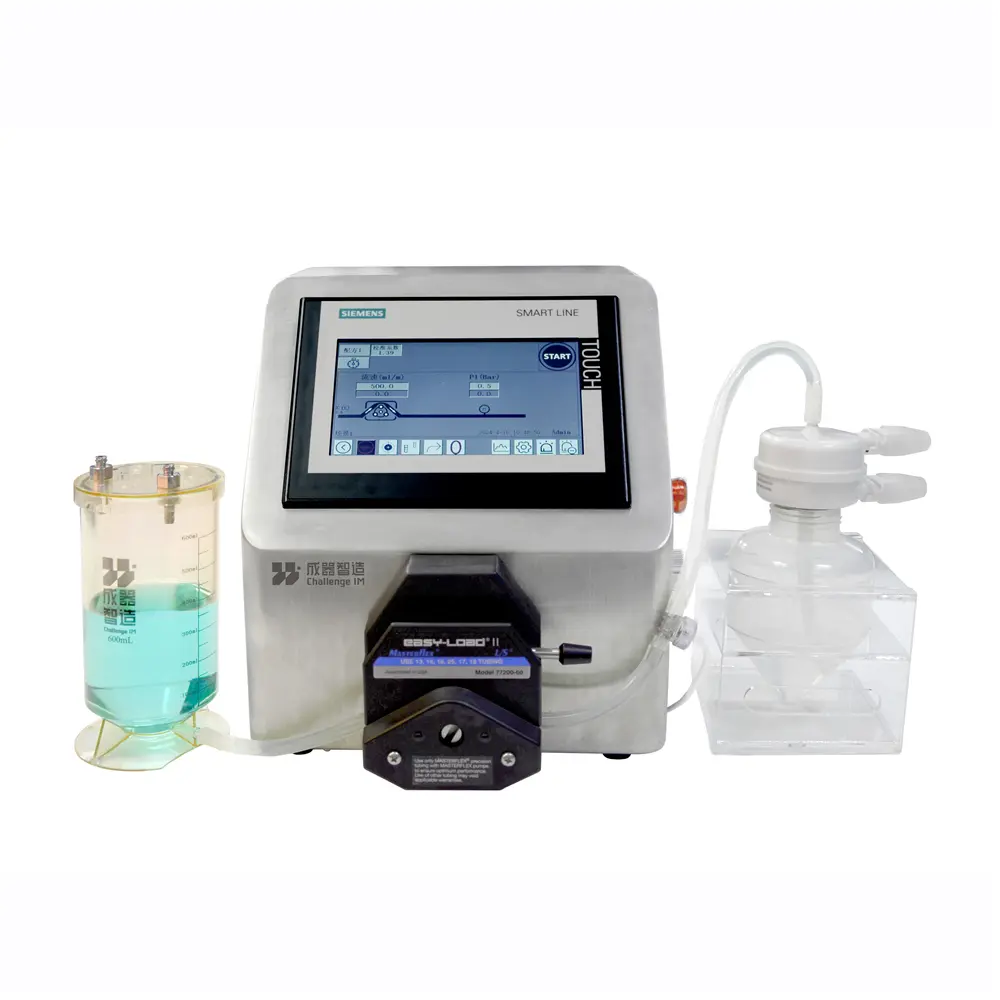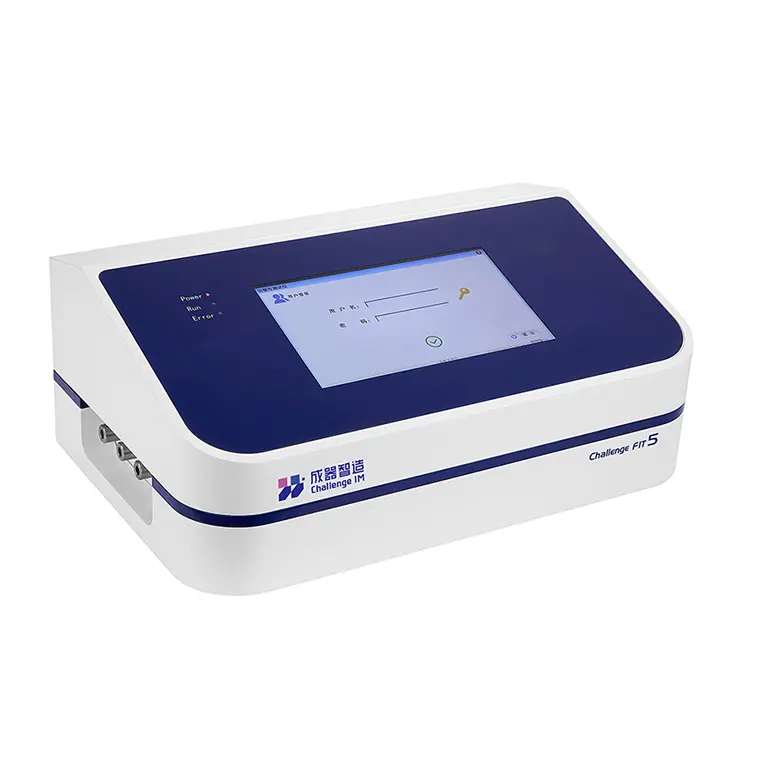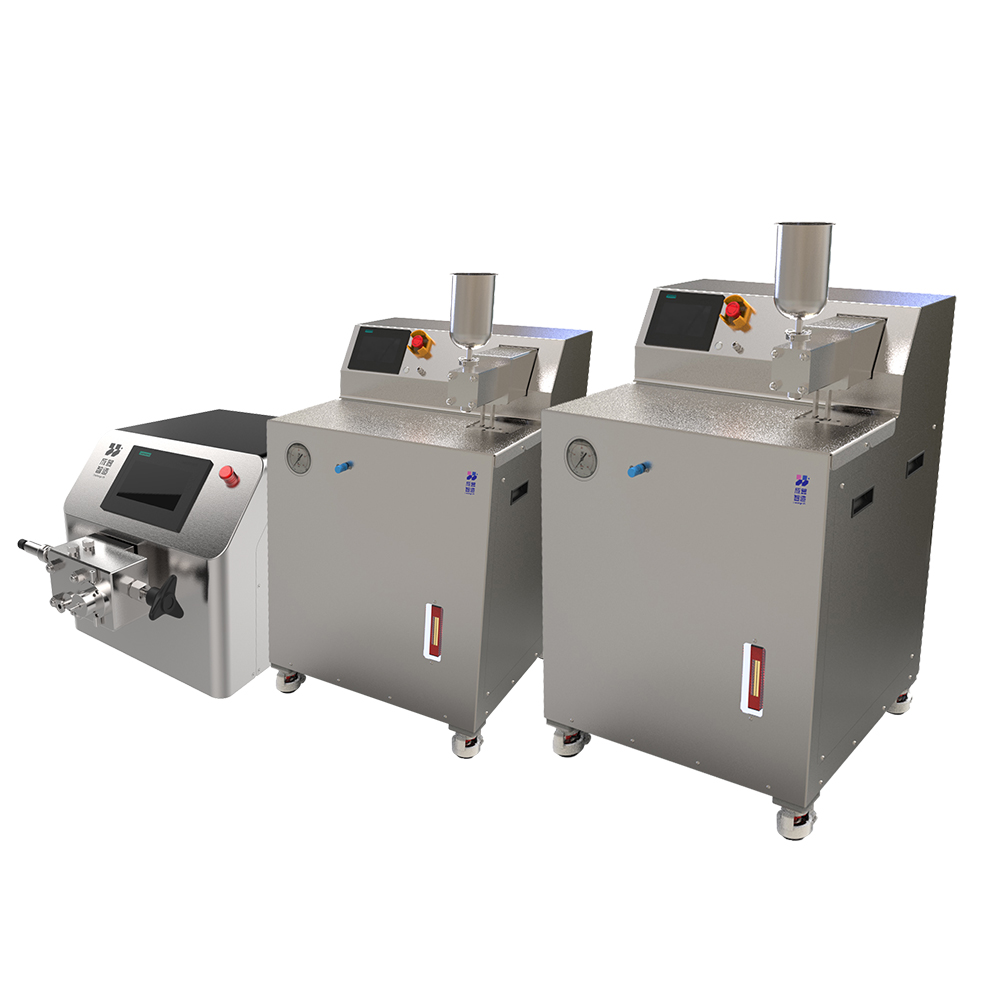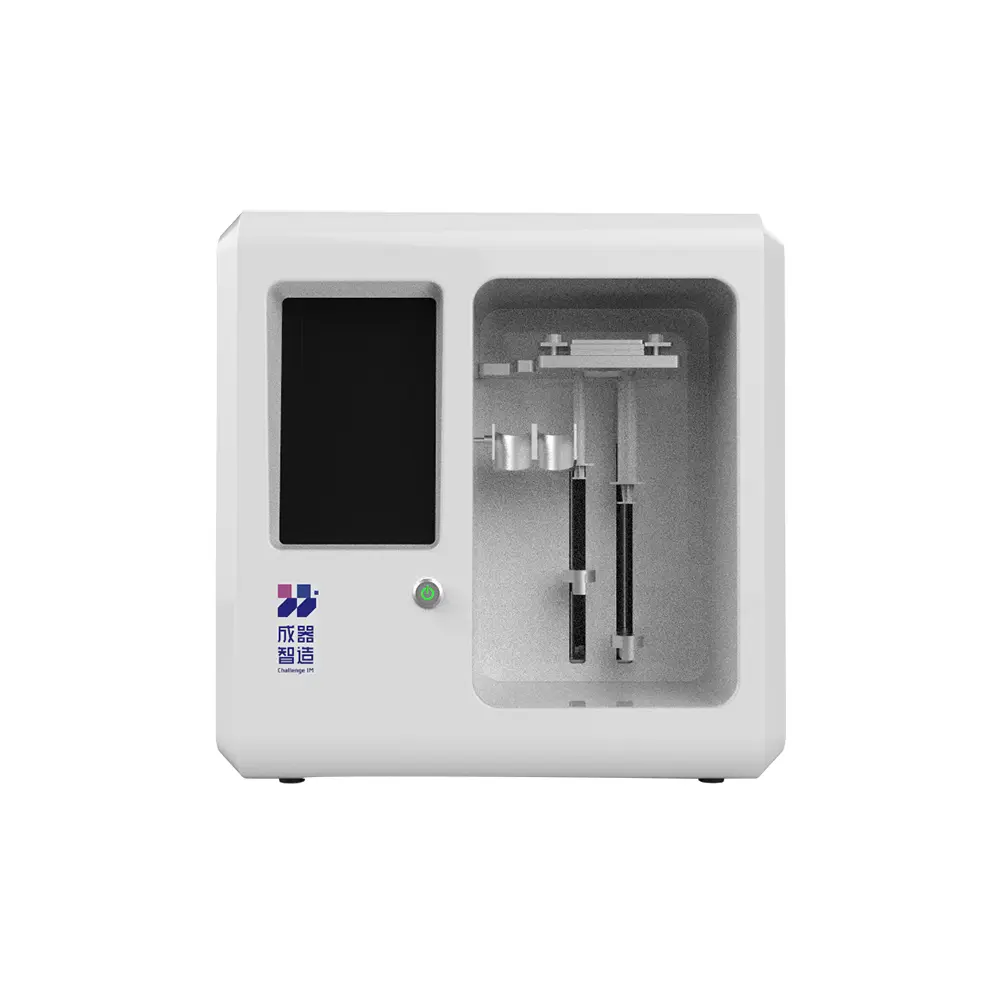
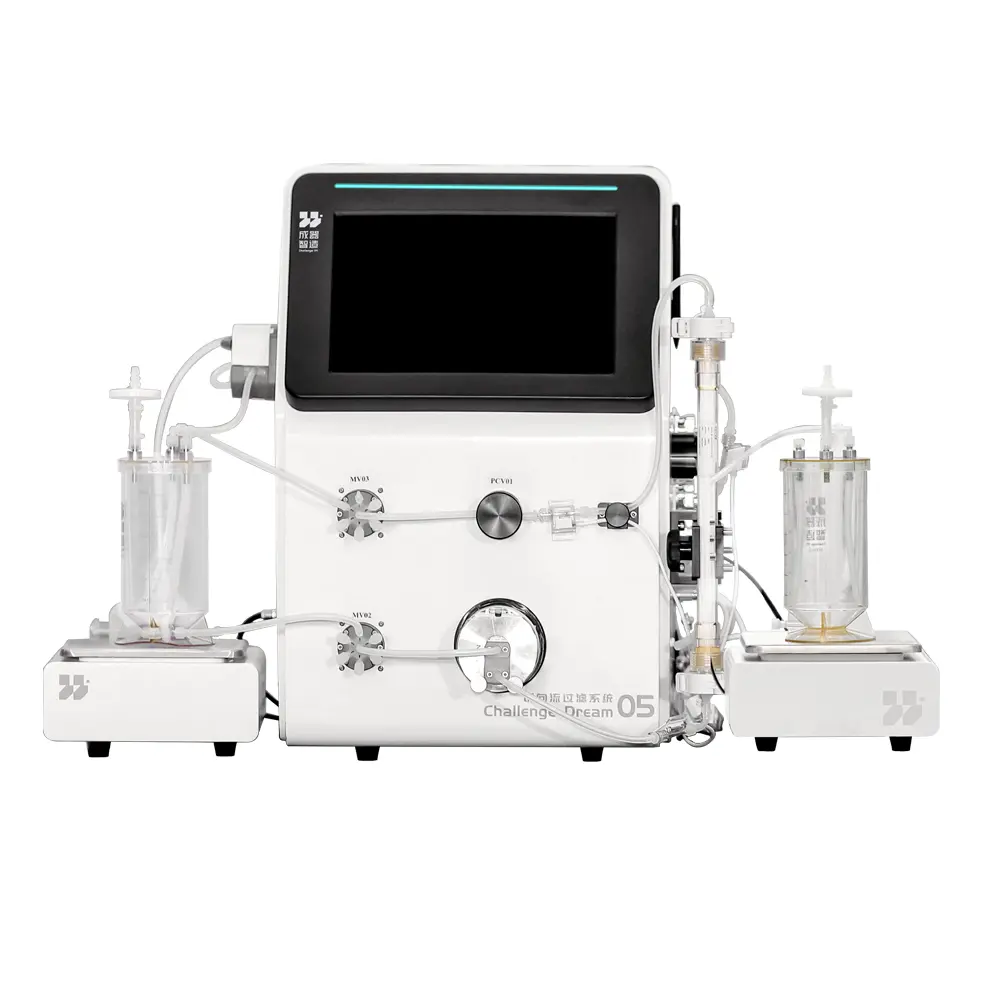
Choosing the best Laboratory Ultrafiltration system in 2026 requires more than comparing membrane ratings or purchase prices. The right choice depends on sample volume, molecular weight cut-off, recovery targets, and daily workload. A system handling five milliliters of protein solution needs different controls than one processing several liters of clarified culture media. Practical laboratory experience shows that small design details often shape final results.
This guide evaluates leading systems through measurable, laboratory-focused criteria. These include filtration speed, sample recovery, pressure control, membrane compatibility, cleaning requirements, and operator safety. Temperature stability also matters when working with sensitive enzymes or unstable biomolecules. A clear pressure display can prevent accidental overloading. A low-hold-up flow path can preserve valuable samples. Those details matter.
No model wins every test. The most expensive unit may not deliver the best value for a research group with limited throughput. Conversely, a basic setup may become inefficient during repeated processing or scale-up studies. Published specifications provide a starting point, but independent validation remains essential. Results can change with feed viscosity, membrane condition, and operator technique. That is easy to overlook.
The following comparison focuses on realistic laboratory use rather than marketing language. It considers how each Laboratory Ultrafiltration platform performs during routine concentration, buffer exchange, and sample preparation. Reliability, service support, documentation, and replacement-part availability also receive attention. These factors influence long-term productivity. One caution remains: performance claims should be checked against application-specific trials before purchase. A short pilot test may reveal more than a polished brochure.
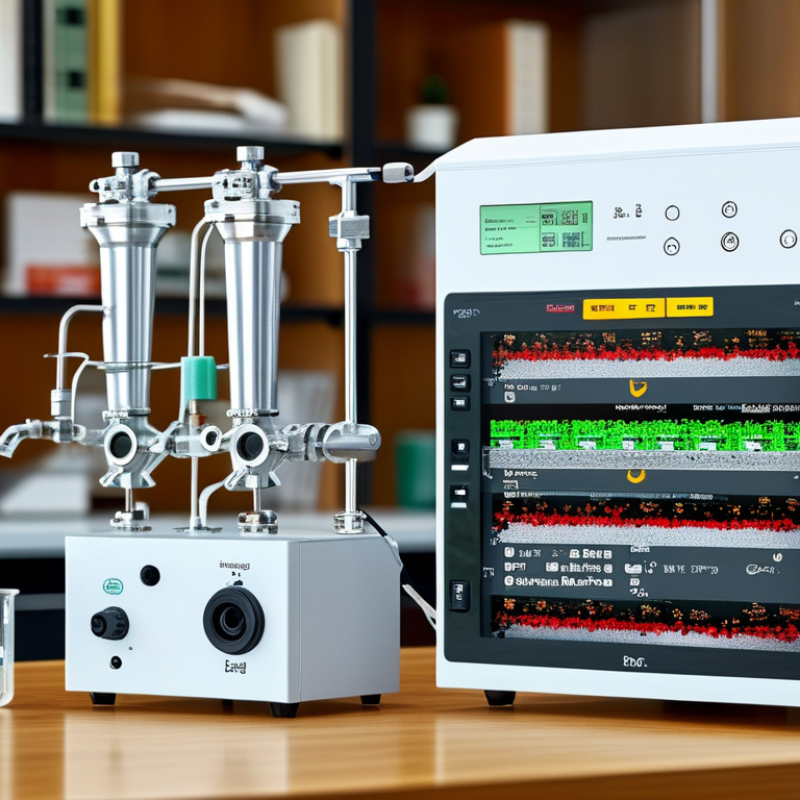
In 2026, the best laboratory ultrafiltration system is not simply the fastest unit. It is a controlled tool for separating molecules by size. A semipermeable membrane retains proteins, polymers, viruses, or colloids while smaller salts and solvents pass through. Its molecular weight cut-off, membrane chemistry, pressure range, and recovery rate define its real role. The right system can concentrate a 15 mL protein sample without excessive heating or foaming. That detail matters.
Professional reports show why this technology remains relevant. The WHO and UNICEF Joint Monitoring Programme reported that 2.2 billion people lacked safely managed drinking water in 2022. The 2024 UNESCO World Water Development Report also identifies agriculture as responsible for about 70% of global freshwater withdrawals. These figures support continued investment in membrane research, although laboratory demand is not the same as industrial demand. MarketsandMarkets’ ultrafiltration analysis projects high-single-digit annual growth through 2029, but forecasts should not replace bench testing. I would question any system promising complete recovery under every sample condition.
Tips: Select the membrane after checking sample chemistry, not only pore rating. Compare recovery using your actual buffer. Record pressure, temperature, spin time, and final volume. A small balance error can distort concentration results. Also inspect membrane compatibility with detergents, organic solvents, and repeated cleaning. The “best” system may be less automated, but easier to validate, maintain, and explain during an audit.
What Is the Best Laboratory Ultrafiltration System in 2026?
The best laboratory ultrafiltration system depends on the sample, not the brochure. MarketsandMarkets’ 2024 Ultrafiltration Market report forecasts double-digit growth through 2029, driven by bioprocessing and water testing. That growth increases choice, but it does not remove practical risks. Compare membrane material, molecular weight cut-off, usable volume, pressure range, and chemical compatibility. A 10 kDa membrane may retain a target protein well, yet cause slow processing or unwanted concentration.
Test recovery with your actual matrix. Record starting volume, processing time, final volume, and retained activity. Small dead volumes matter when samples are limited. Pressure control should remain stable during filtration, because sudden increases can accelerate fouling. Look for clear calibration records and accessible replacement parts. These details often matter more than maximum throughput.
Grand View Research’s 2024 membrane filtration analysis identifies pharmaceutical and biotechnology applications as major market drivers. However, market growth is not proof of laboratory performance. I would request independent performance data, including recovery percentage, repeatability, and flux decline. Do not trust one impressive run. Run replicates. Even experienced users can overlook adsorption on the membrane or inaccurate weighing. A useful system makes these failures visible, not merely convenient.
What Is the Best Laboratory Ultrafiltration System in 2026?
Leading Laboratory Ultrafiltration System Types and Applications
The best laboratory ultrafiltration system depends on sample volume, membrane cutoff, and the required recovery rate. Small stirred-cell systems suit early method development and low-volume protein concentration. Pressure-driven cassette systems offer faster processing for repeated buffer exchange. Hollow-fiber units handle larger volumes and can reduce processing time. Centrifugal devices remain practical for quick sample preparation, especially when only a few milliliters are available.
Applications vary widely. Researchers use ultrafiltration for protein concentration, desalting, enzyme preparation, extracellular vesicle processing, and wastewater analysis. Membrane selection matters. A suitable molecular weight cutoff should retain the target while allowing salts and smaller compounds to pass. Temperature control is also important because delicate samples may lose activity during long processing. In practical laboratory work, low dead volume can improve recovery. However, no setup is perfect. Even a carefully selected membrane may adsorb part of the sample. This deserves testing, not assumption.
Tips: Compare recovery using a real sample, not only a standard solution. Record pressure, processing time, temperature, and final volume. Inspect the membrane for fouling after each run. If concentration becomes slow, cleaning may not solve the problem; the cutoff or surface chemistry may be unsuitable. A pilot test with three membrane options often reveals more than a large purchase decision. Reliability comes from repeatable data, not impressive specifications.
| Laboratory Ultrafiltration System Type | Typical Working Volume | Typical MWCO Range | Operating Principle | Best-Fit Applications | Main Advantages | Key Limitations |
|---|---|---|---|---|---|---|
| Centrifugal ultrafiltration device | 0.1–15 mL per device | Approximately 3–300 kDa | Centrifugal force drives solvent and small solutes through a semipermeable membrane while retaining larger molecules. | Protein concentration, buffer exchange, peptide cleanup, nucleic-acid preparation, and small-volume sample recovery. | Simple operation, low sample requirement, parallel processing, and no external pump required. | Limited throughput; membrane fouling and concentration polarization may reduce recovery; centrifuge compatibility is required. |
| Pressure-driven stirred ultrafiltration cell | 10 mL–1 L | Approximately 1–300 kDa | Compressed gas or regulated pressure pushes liquid across a membrane while stirring reduces concentration polarization. | Method development, protein purification, formulation screening, and concentration of biological solutions. | Good control of pressure and mixing; suitable for repeated experiments and moderate sample volumes. | Batch operation can be slower than cross-flow systems; foaming and air–liquid interfaces may affect sensitive samples. |
| Cross-flow ultrafiltration system | 0.1–20 L in laboratory configurations | Approximately 1–1,000 kDa | Feed flows tangentially across the membrane surface, reducing cake formation and allowing continuous concentration or diafiltration. | Scale-down process development, enzyme concentration, vaccine and biologics research, and multi-step buffer exchange. | Higher process control, improved membrane utilization, scalable operating conditions, and support for diafiltration. | Higher setup complexity, pump and tubing requirements, greater hold-up volume, and more demanding cleaning procedures. |
| Syringe-driven dead-end ultrafiltration unit | 0.1–100 mL per run | Approximately 3–300 kDa | Manual or automated syringe pressure forces the sample through a membrane in a single-pass, dead-end configuration. | Rapid sample cleanup, desalting, small-scale concentration, and preparation for chromatography or analytical testing. | Compact, portable, inexpensive to operate, and useful when only a small sample volume is available. | Membrane fouling can occur quickly; pressure is operator-dependent; not ideal for viscous or particulate-rich samples. |
| Plate-based parallel ultrafiltration system | 0.05–5 mL per well | Approximately 3–300 kDa | Multiple membrane wells process samples simultaneously using centrifugation or controlled vacuum. | High-throughput formulation screening, assay preparation, parallel protein cleanup, and analytical sample preparation. | High sample throughput, small volume consumption, and good compatibility with automated workflows. | Well-to-well variability may occur; limited capacity per well; careful sealing and centrifuge balancing are necessary. |
| Hollow-fiber ultrafiltration system | 0.1–10 L, depending on module size | Approximately 1–1,000 kDa | Feed passes through or along the lumen of porous hollow fibers, providing a high membrane area in a compact module. | Cell culture harvest clarification, protein concentration, virus-related research, and process-development studies. | High surface-area-to-volume ratio, relatively low shear in suitable configurations, and efficient scale-up modeling. | Fiber blockage can be difficult to reverse; flow distribution and cleaning validation require attention. |
| Automated laboratory ultrafiltration workstation | 1 mL–20 L per batch or programmed run | Approximately 1–1,000 kDa | Integrated pumps, pressure sensors, valves, and software control concentration, diafiltration, sampling, and endpoint conditions. | Reproducible process development, regulated laboratory workflows, formulation studies, and repeatable scale-down experiments. | Improved repeatability, electronic data capture, programmable control, and reduced operator variability. | Higher acquisition and maintenance cost; software, sensors, tubing, and cleaning procedures require training. |
Selecting the best laboratory ultrafiltration system starts with the sample, not the equipment catalog. Define the target molecule, starting volume, concentration factor, and acceptable recovery rate. Choose a membrane with a suitable molecular weight cutoff, then check its chemical compatibility. A cutoff that is too large may lose valuable material. A cutoff that is too small can make processing painfully slow.
Next, compare operating pressure, membrane area, temperature control, and dead volume. For a 100 mL protein sample, excessive hold-up volume can noticeably reduce recovery. Check whether the system supports gentle processing and easy membrane cleaning.
Review validation records, material certificates, leak testing, and maintenance instructions. Reliable documentation matters when results must be repeated by another technician. My early mistake was focusing on maximum throughput. The sample quality suffered.
Tips: Run a small trial before purchasing. Measure recovery, processing time, concentration, and membrane fouling. Ask how the system performs after repeated cycles, not only on the first run. Keep a simple comparison sheet for pressure stability, cleaning effort, consumable cost, and operator safety. Do not ignore ergonomics. A difficult clamp or unclear pressure gauge can create preventable errors. If two systems perform similarly, choose the one with clearer support and easier routine inspection. No system fits every experiment.
Choosing the best laboratory ultrafiltration system in 2026 depends less on advertised pressure and more on control, cleanability, and data quality. A 2024 MarketsandMarkets report projects the global membrane filtration market to grow from about USD 9.7 billion in 2023 to USD 13.7 billion by 2028. That growth reflects stricter process control, not a reason to ignore basic maintenance.
During operation
Record transmembrane pressure, permeate flow, temperature, conductivity, and feed volume. Keep pressure within the membrane manufacturer’s validated range. A sudden flux decline often signals concentration polarization, air exposure, or an incorrect valve position.
I prefer systems with calibrated sensors, transparent tubing, gentle recirculation, and exportable run data. Small details matter. For example, a visible dead leg can retain residue after processing.
Clean immediately after use
Clean immediately after use, before proteins or polymers dry onto the membrane. Rinse with compatible water, circulate the approved cleaning solution, and verify neutral pH afterward. Do not assume a stronger chemical works better. It may shorten membrane life.
ASTM E2500 emphasizes documented, risk-based control of critical equipment, which supports recording cleaning time, temperature, chemical concentration, and final rinse results.
I still treat every cleaning schedule as a hypothesis. Track normalized permeability across several runs, then adjust cautiously. Store the system wet or dry according to validated membrane instructions, inspect seals for swelling, and replace damaged tubing before the next experiment.