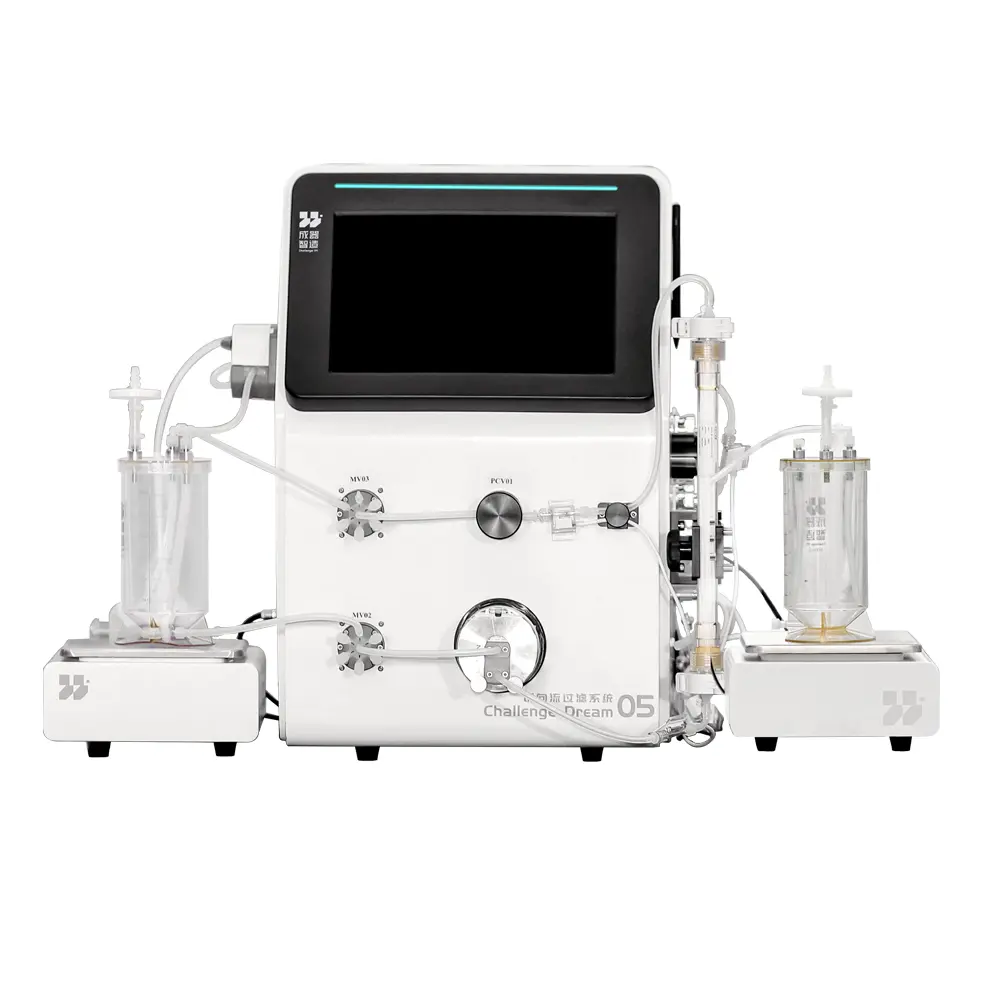
 Tangential Flow Filtration(TFF) System
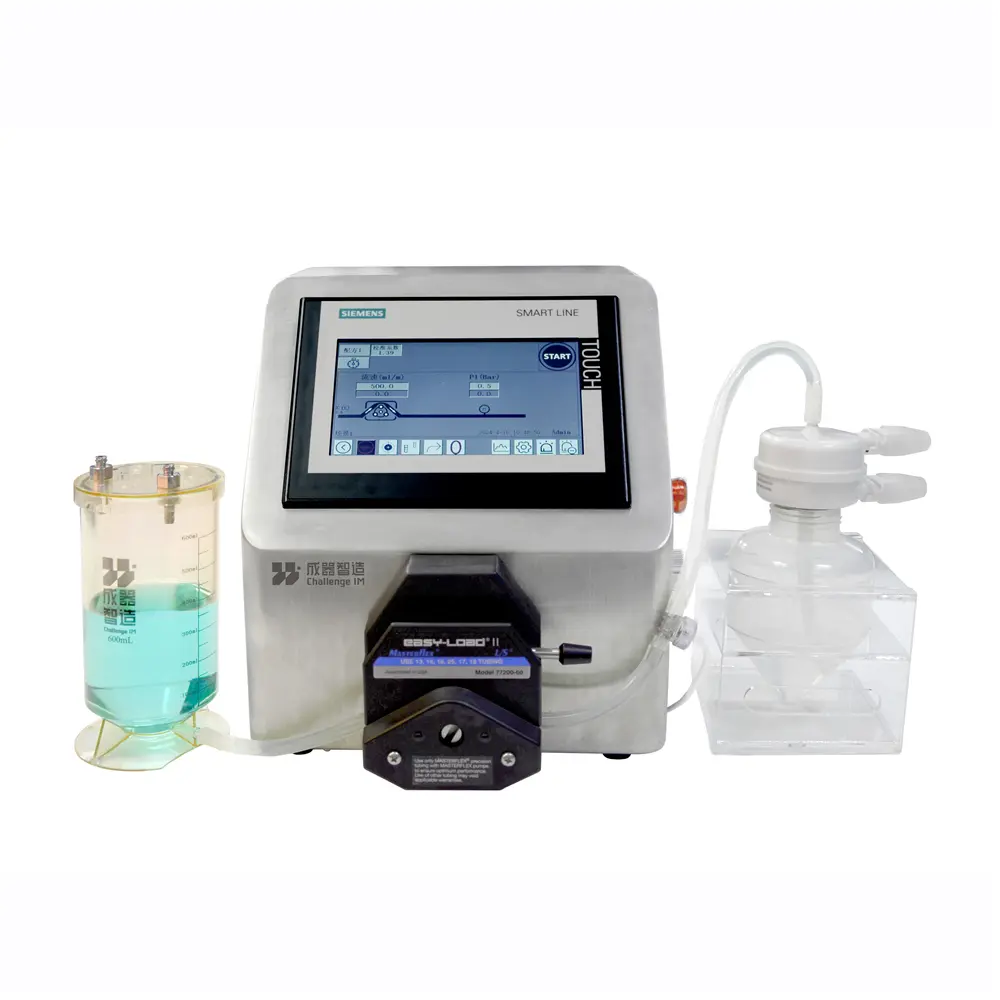 Jump Pump
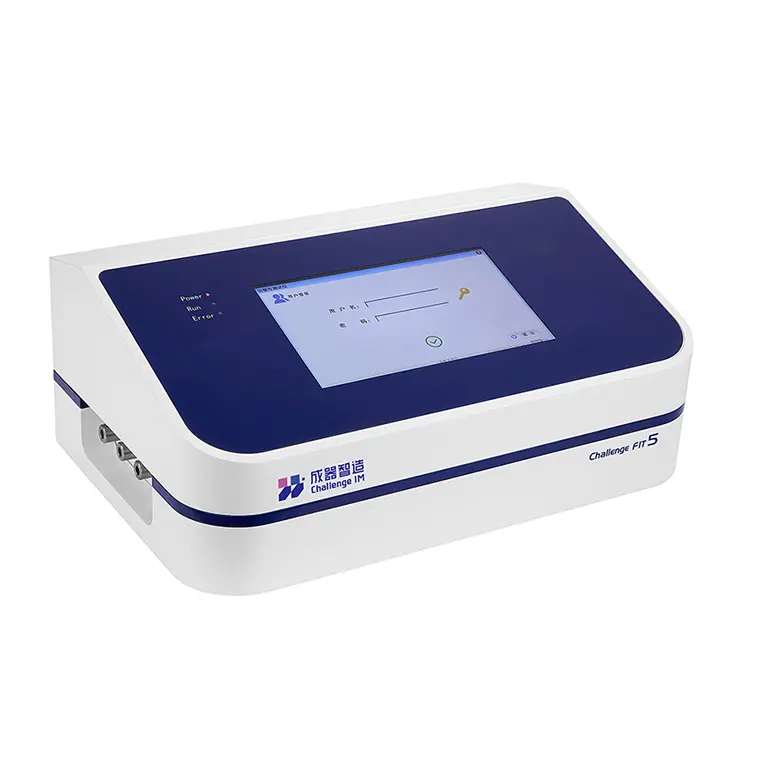 FIT Integrity Tester
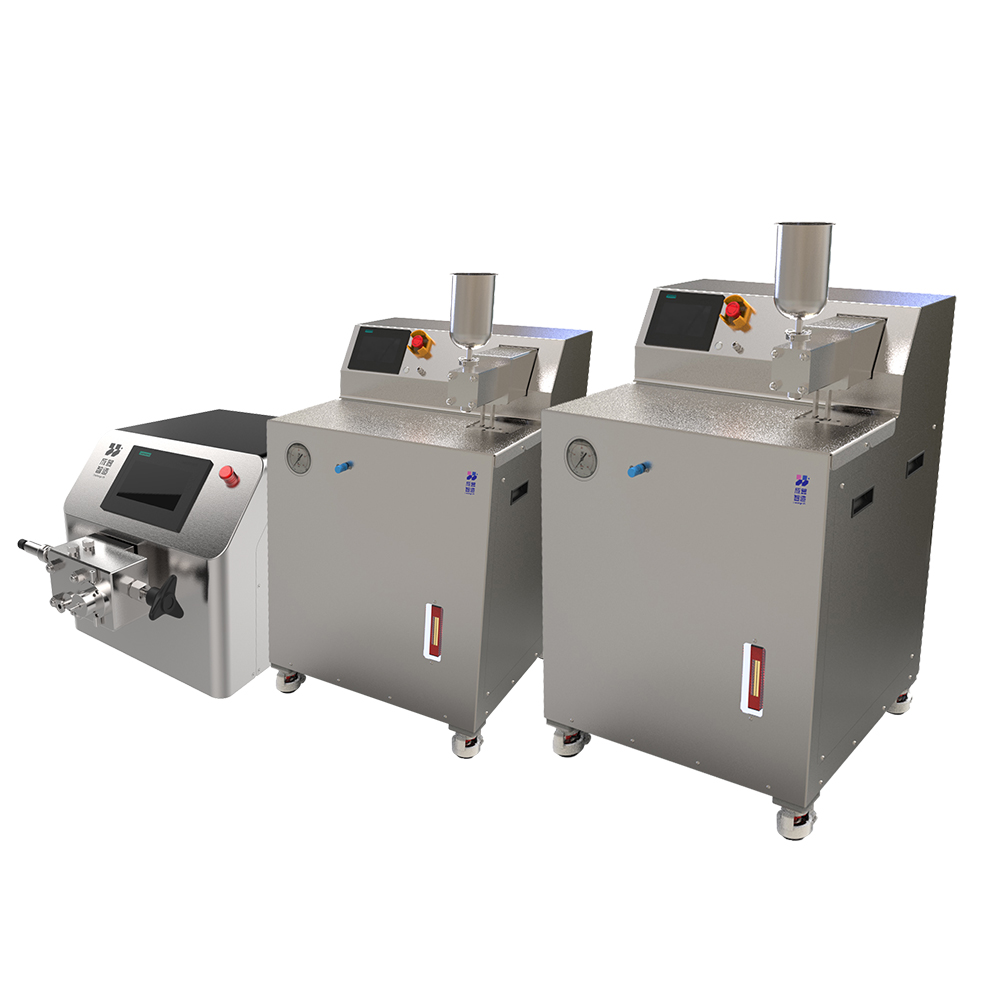 High Pressure Homogenizers
 Microfluidics
Leave Your Message


China’s ultrafiltration market includes manufacturers serving municipal water, food processing, pharmaceuticals, and industrial reuse. This introduction sets out a practical way to assess suppliers, beyond comparing catalogue prices. Ultrafiltration performance depends on more than a membrane’s nominal pore size. Feed-water quality, operating pressure, flux, cleaning cycles, and module design all matter. A supplier’s claims need context.
Professor Menachem Elimelech, an environmental engineering and membrane science expert at Yale University, has emphasized evaluating membrane performance alongside fouling, energy demand, and environmental impact. That is a useful lens for comparing China-based suppliers. Ask for test data with clear operating conditions, including turbidity, recovery rate, and cleaning frequency. Look for documented quality controls, application-specific references, and responsive technical support. A polished datasheet is not enough. Real operating records matter.
The following guide will examine supplier capabilities, membrane materials, product ranges, customization, certifications, and export support. It will also consider how suppliers handle installation guidance and long-term maintenance. These details can shape total operating costs as much as the initial quotation. Still, no shortlist is perfect. Public information may be incomplete, and performance can vary with the feed water and system design. Buyers should verify key claims directly and compare like with like. The aim is not to declare one universal winner, but to help readers identify a suitable Ultrafiltration partner for their specific project.
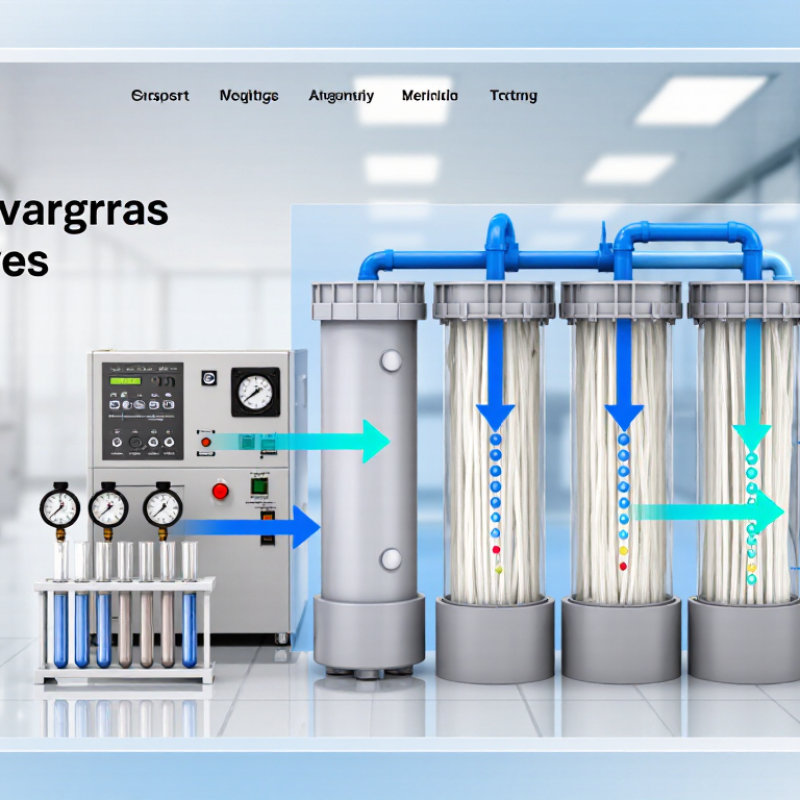
China Best Ultrafiltration Membrane Suppliers
What Ultrafiltration Membranes Are and How They Work
Ultrafiltration membranes are fine barriers used to separate particles from water. Their pores commonly measure around 0.01 to 0.1 micrometers, though specifications vary by membrane. Water passes through under pressure, while suspended solids, colloids, and many microorganisms are retained. The filtered stream is called permeate. The retained material leaves in a more concentrated stream. Simple in principle.
That separation has limits. Dissolved salts and many small molecules can pass through, so ultrafiltration is not the same as desalination. Virus removal also depends on membrane characteristics and operating conditions; it should not be assumed without suitable performance data. In a treatment system, operators monitor pressure, flow, and water quality. A gradual rise in pressure may signal fouling, not just a pump problem.
Membranes may run in dead-end or crossflow modes. Crossflow carries some accumulated material along the surface, while backwashing can help restore flow. Neither method removes every deposit. Real feedwater changes, sometimes unexpectedly. This is where supplier documentation matters: buyers should check pore specifications, test conditions, cleaning guidance, and material compatibility. Diagrams look tidy; actual operation can be less so. A small mismatch between feedwater and membrane choice may shorten service life.
| Data Dimension | Typical Information | How It Works or Why It Matters | What to Check When Comparing Suppliers |
|---|---|---|---|
| Separation principle | Pressure-driven filtration through a porous membrane. | Water and many dissolved small molecules pass through the membrane, while suspended particles, colloids, and many macromolecules are retained. | Confirm the stated filtration objective and test performance using water with similar quality to the intended feed. |
| Typical pore-size range | Approximately 0.01–0.1 micrometres; the range varies by membrane and product. | Pore size provides a useful indication of separation, but actual retention also depends on membrane structure, operating conditions, and the substance being filtered. | Request the measurement method and application-specific retention data rather than relying on a nominal pore-size figure alone. |
| Molecular-weight cutoff (MWCO) | Product-dependent; UF membranes are commonly specified across a broad range, from roughly 1,000 to several hundred thousand daltons. | MWCO describes a membrane’s retention of reference molecules under stated test conditions. It is not a universal, sharp molecular-size boundary. | Check the reference molecule, test conditions, and retention percentage used to define the reported MWCO. |
| Operating pressure | Often about 0.1–0.5 MPa for water-treatment applications, depending on the membrane, module, and process design. | The pressure difference across the membrane drives permeate flow. Higher pressure is not always better, since fouling and energy use can increase. | Compare recommended transmembrane pressure, maximum allowable pressure, and expected performance at the design conditions. |
| Filtration modes | Common configurations include dead-end filtration and crossflow filtration. | In dead-end operation, feed flows toward the membrane surface. In crossflow operation, feed moves along the surface, helping carry away some retained material. | Match the module and operating mode to feed solids, cleaning strategy, available space, and process requirements. |
| Common membrane materials | Polymeric materials include PVDF, PES, and PAN; ceramic membranes are also available. | Materials differ in chemical compatibility, mechanical properties, cleaning tolerance, and cost. Suitability depends on the specific formulation and module. | Request material and chemical-resistance documentation for the actual membrane product, not just the general material family. |
| Common module formats | Hollow-fiber, tubular, and flat-sheet configurations are used in different UF applications. | Module geometry affects packing density, flow distribution, cleanability, and suitability for feeds with different solids levels. | Compare membrane area, connection dimensions, operating limits, and compatibility with the planned system. |
| Permeate quality | UF can reduce suspended solids, turbidity, many colloids, and microorganisms when the system is properly designed and operated. | UF generally does not remove most dissolved salts or all small dissolved organic compounds; additional treatment may be needed for those targets. | Ask for test results using relevant feed water and specify the required water-quality indicators in the project documents. |
| Fouling and cleaning | Performance can decline as retained material accumulates on or within the membrane. | Backwashing, rinsing, and chemical cleaning may be used according to the membrane design and the type of foulant. | Verify the cleaning procedure, compatible chemicals, recommended frequency, and conditions that affect membrane life. |
| Supplier documentation | Relevant information includes product specifications, test methods, operating limits, quality records, and warranty terms. | Clear documentation helps establish whether stated performance applies to the intended feed and operating conditions. | Compare traceable test data, sample availability, technical support, delivery capability, and after-sales service without relying on claims alone. |