Top 10 Benefits of Nanofiltration Systems for Your Business?
In today’s competitive landscape, a Nanofiltration System can transform your business operations. These systems offer advanced filtration technology, addressing various industry needs. Businesses often face challenges in managing water quality and efficiency.
Nanofiltration systems effectively tackle these issues. They can remove undesirable substances while retaining essential minerals. This unique capability benefits industries such as food and beverage, pharmaceuticals, and environmental management. Reduced water usage and lower operational costs are notable advantages. However, the initial investment can be considerable, which warrants careful consideration.
Implementing a Nanofiltration System might not be the most straightforward process. Training staff and regular maintenance are crucial for optimal performance. The long-term benefits can be significant, yet they require a commitment to quality management. Ultimately, a well-integrated filtration system can lead to increased productivity and sustainability for your business.
Advantages of Nanofiltration Systems in Water Purification Processes
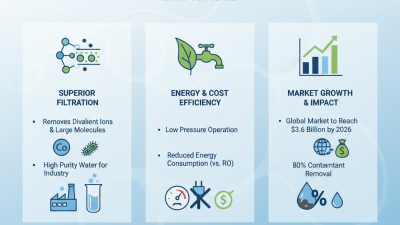
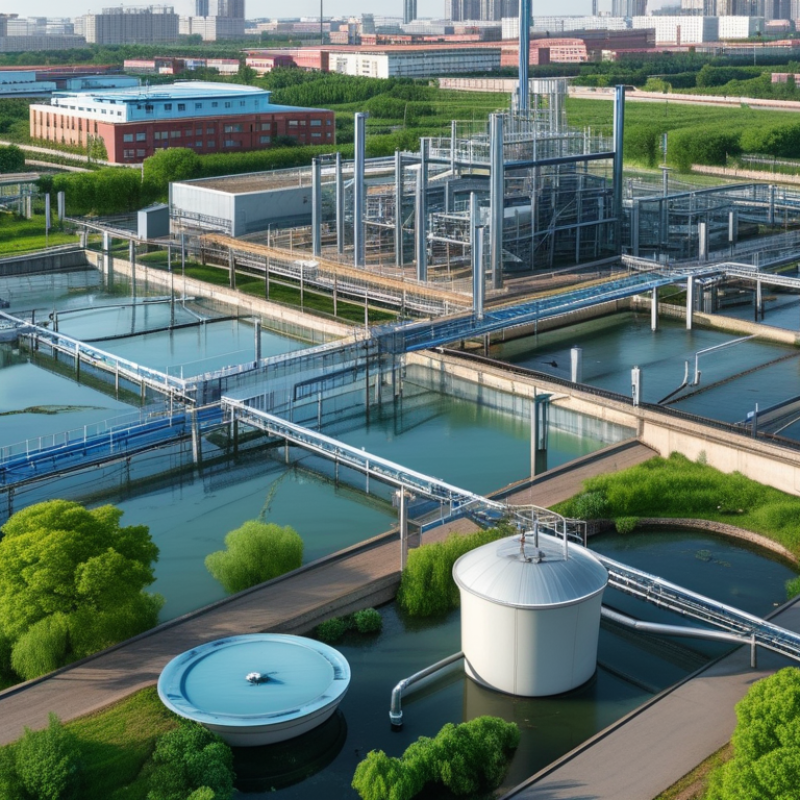
Nanofiltration systems play a crucial role in water purification processes. These systems effectively remove particles ranging in size from 1 to 10 nanometers. This elimination process is essential for industries facing stringent water quality regulations. A report from the Water Research Foundation highlights that nanofiltration can reduce contaminant levels by up to 90%. This efficiency directly improves the safety and quality of water in various applications.
Moreover, nanofiltration membranes are energy-efficient. They operate at lower pressure compared to reverse osmosis systems. This characteristic can lead to significant energy savings—up to 30% less energy use in some cases. However, it is important to note that the fouling potential of membranes poses challenges. Regular maintenance and monitoring are essential to ensure optimal performance. Without proper management, the benefits can diminish over time.
Another advantage is the selective rejection of divalent ions while allowing monovalent ions to pass through. For instance, this means that sodium ions can remain in water while removing calcium and magnesium to prevent scaling. However, achieving this balance is not always straightforward. Businesses must carefully analyze their specific water sources to avoid unexpected complications in the filtration process.
Cost-Effectiveness of Implementing Nanofiltration Technology
Nanofiltration (NF) systems offer notable cost advantages for businesses. These advanced filtration technologies can significantly reduce operational expenses. According to a 2022 report by the Water Quality Association, NF systems can lower water treatment costs by up to 30%. This kind of savings is crucial for industries relying heavily on water.
A study published by the Membrane Technology Research Institute indicates that NF systems also save on energy consumption. They operate efficiently, often requiring less energy than traditional methods. By cutting energy costs, companies can invest those savings elsewhere. However, while the initial investment may seem high, the long-term financial benefits often outweigh these costs. Many companies find a return on investment within just a few years.
Implementing NF technology can be complex. It requires careful consideration of the existing infrastructure. Some businesses may face challenges when integrating new systems with older equipment. This can incur additional costs and time delays that need to be factored in. Understanding these nuances is vital for informed decision-making. Through careful planning and analysis, businesses can navigate these hurdles effectively and enjoy the long-term financial benefits of nanofiltration.
Enhancing Product Quality Through Nanofiltration Systems
Nanofiltration systems offer remarkable advantages for businesses looking to enhance product quality. By effectively removing unwanted contaminants, these systems help create purer products. According to a study from the National Institute of Standards and Technology, nanofiltration can remove up to 90% of certain organic compounds. This level of removal significantly increases the quality of water used in production processes.
In industries such as food and beverage, the benefits are clear. Nanofiltration systems can concentrate essential compounds while eliminating impurities. This results in safer, higher-quality products. For instance, the food sector has seen a 30% improvement in product flavor and aroma due to enhanced water quality. Such gains can greatly impact customer satisfaction and retention.
Tips for optimizing nanofiltration systems include regular maintenance and monitoring of membrane performance. It's crucial to track the pressure and flow rates to ensure efficiency. Keeping an eye on these metrics helps identify any potential issues early. Additionally, ensuring that water sources are pre-treated can prolong membrane life. Consider experimenting with different pressures to find the sweet spot for your specific application. This experimentation can lead to unexpected yet beneficial results.
Top 10 Benefits of Nanofiltration Systems for Your Business
| Benefit |
Description |
| Improved Water Quality |
Removes contaminants and impurities, leading to safer water for production. |
| Cost Efficiency |
Reduces operating costs by minimizing energy and maintenance needs. |
| Enhanced Product Quality |
Improves the taste and safety of food and beverage products. |
| Flexible Process Integration |
Can be easily integrated into existing production lines. |
| Regulatory Compliance |
Helps businesses meet industry regulations for water quality. |
| Waste Reduction |
Minimizes waste generation by allowing for recovery of valuable components. |
| Scalability |
Systems can be scaled easily to match production demands. |
| Sustainability |
Reduces environmental impact by enhancing water reuse and conservation. |
| Improved Operational Efficiency |
Streamlines processes leading to better operational workflows. |
| Longer Equipment Life |
Protects downstream equipment from fouling and degradation. |
Environmental Benefits of Using Nanofiltration in Industries
Nanofiltration systems play a crucial role in industries focused on sustainability. By using these systems, businesses can reduce water consumption and waste. This technology effectively removes harmful contaminants while allowing beneficial minerals to pass through. It leads to cleaner water without extensive chemical treatments.
Moreover, nanofiltration reduces energy use in water treatment processes. Traditional methods can be energy-intensive. In contrast, nanofiltration is efficient and often uses less energy, contributing to lower carbon emissions. This shift not only supports environmental goals but also reduces operational costs.
However, the implementation of nanofiltration is not without challenges. Initial investment costs can be significant, and maintenance requires skilled personnel. Businesses must weigh these factors against long-term benefits. Balancing costs and sustainability is essential for making informed decisions.
Top 10 Benefits of Nanofiltration Systems for Your Business
Nanofiltration systems provide numerous advantages for businesses in various industries, enhancing water quality, reducing costs, and promoting sustainability. The chart above displays the benefits of nanofiltration systems categorized and rated based on their importance.
Versatility of Nanofiltration Applications Across Different Sectors
Nanofiltration systems are gaining traction in diverse sectors. They provide significant benefits, enhancing efficiency and sustainability. These systems effectively separate contaminants from water while allowing essential minerals to pass through. This balance makes them suitable for various applications.
In the food and beverage industry, nanofiltration can be used to purify water and concentrate flavors. It reduces the need for chemical additives. However, some businesses may struggle with implementation. The initial costs and required training can create barriers. Yet, effective use can lead to long-term savings.
In the pharmaceutical sector, nanofiltration ensures high-quality water for production. It helps maintain product integrity. Still, companies must adapt to stringent regulations. Failure to comply could lead to significant setbacks. Therefore, investing time in understanding nanofiltration's intricacies is crucial.
This technology showcases versatility across industries, but careful planning is essential.


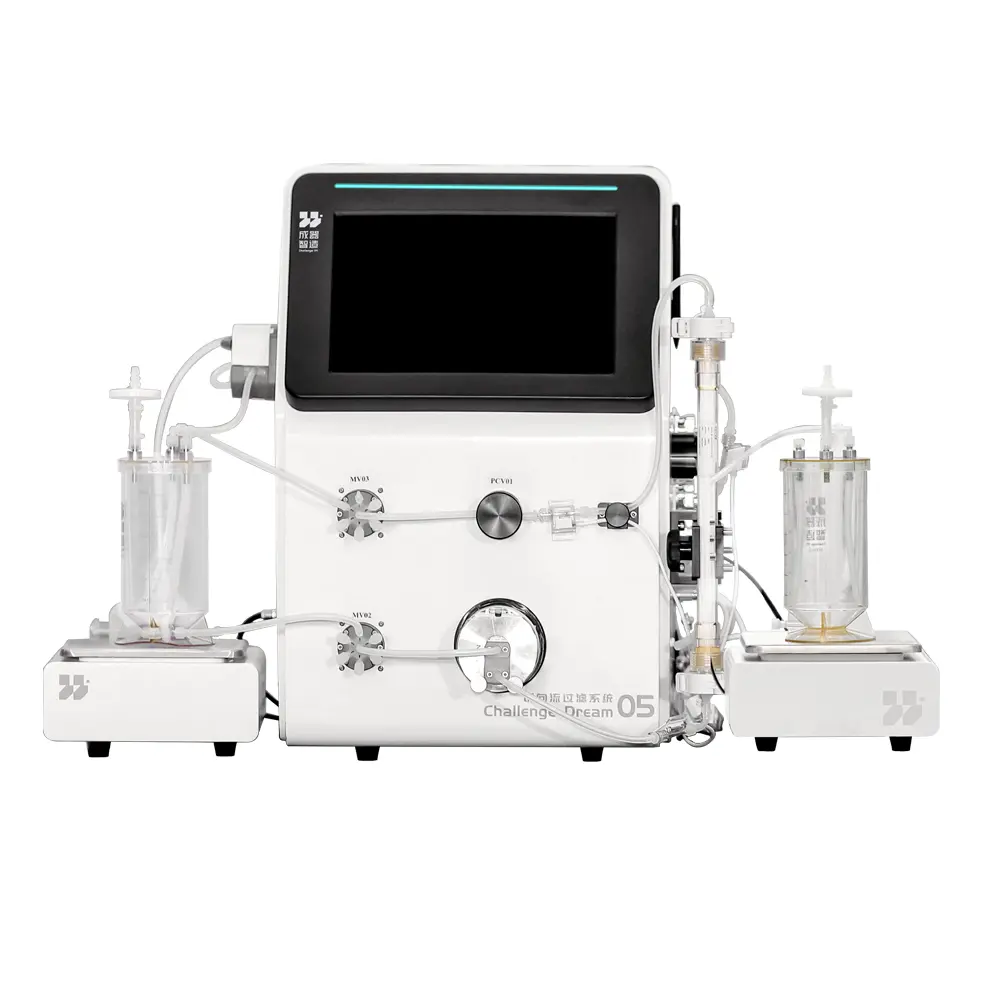 Tangential Flow Filtration(TFF) System
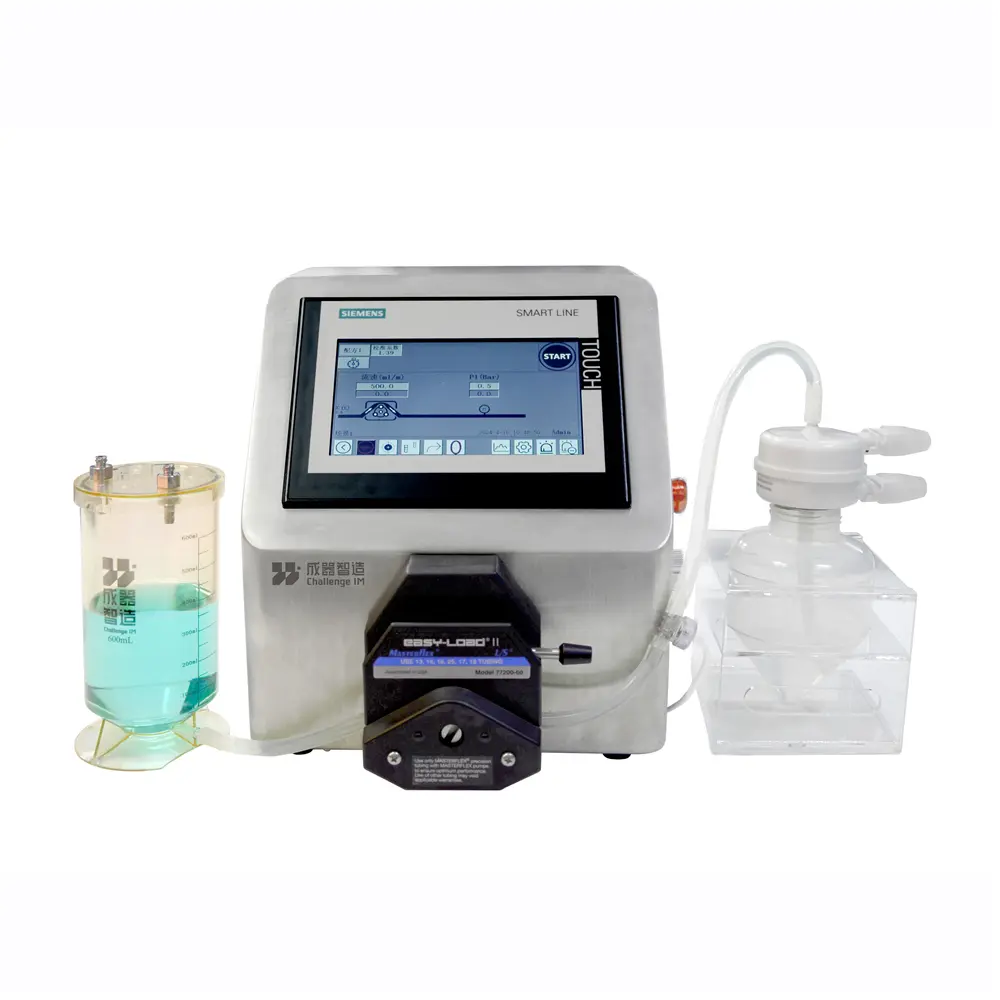 Jump Pump
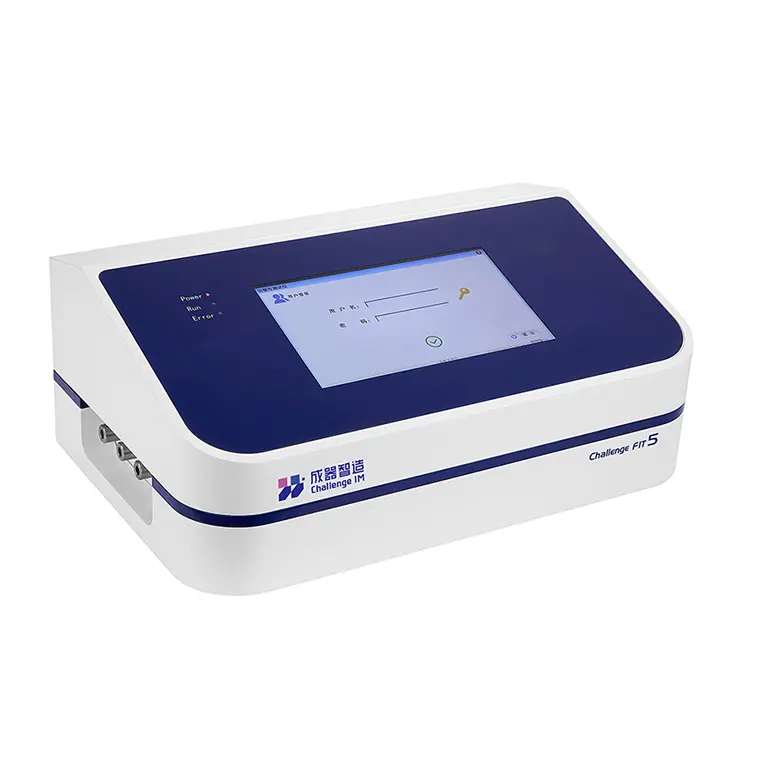 FIT Integrity Tester
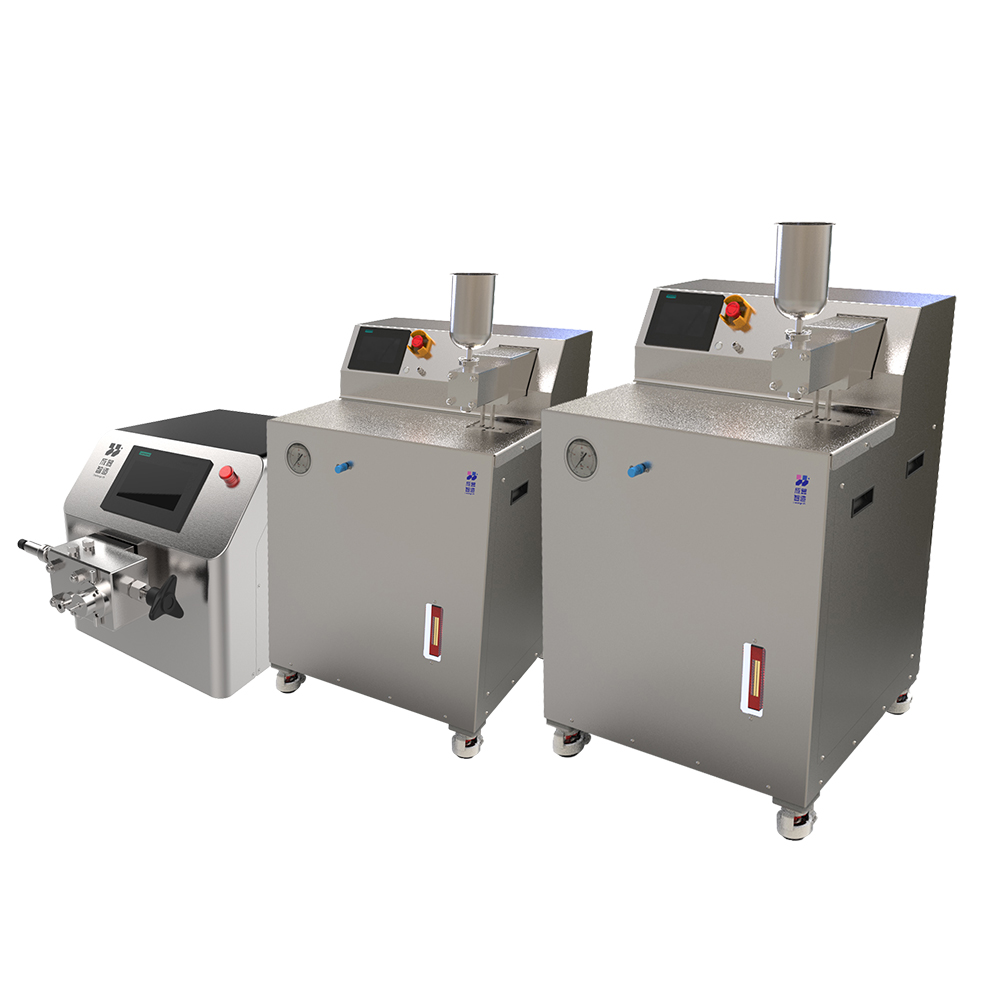 High Pressure Homogenizers
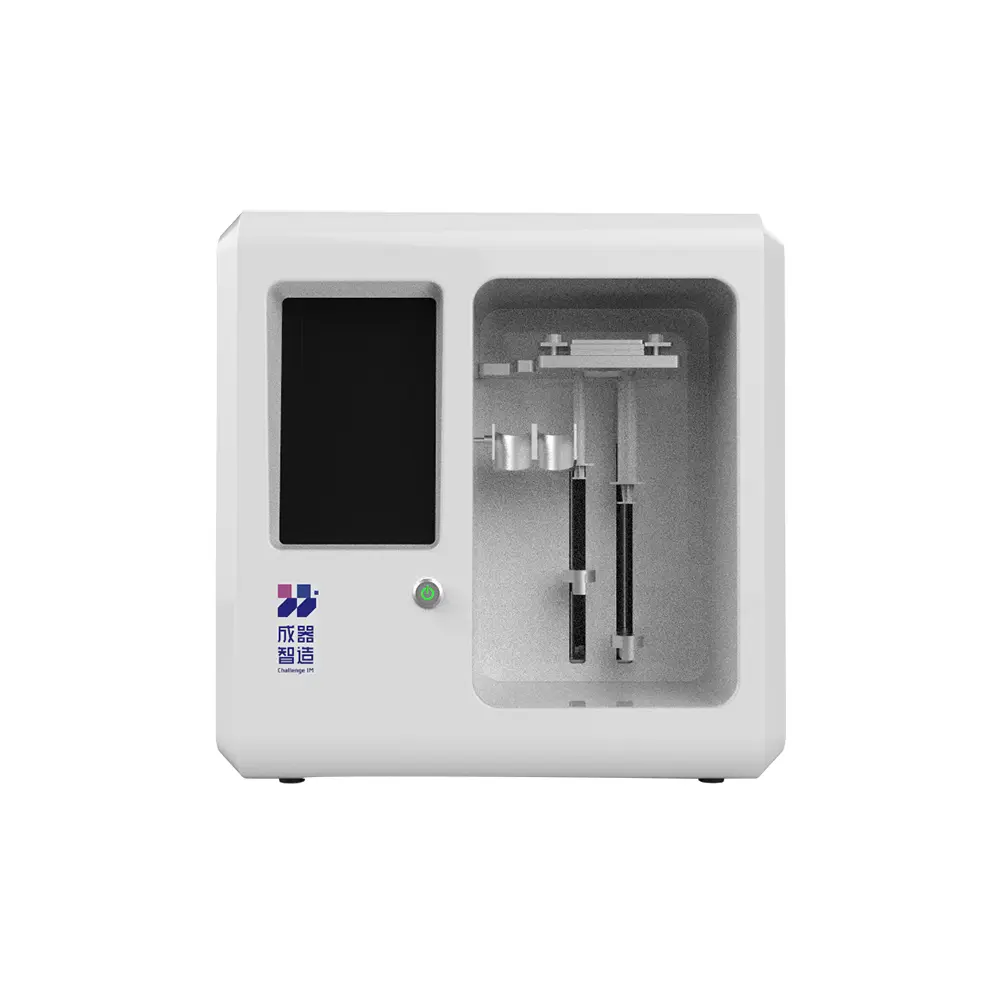 Microfluidics