What is Ultra Filtration and How Does it Benefit Your Industry?
Ultra Filtration (UF) is a vital process in various industries, including food and beverage, pharmaceuticals, and water treatment. This technology utilizes semi-permeable membranes to remove unwanted particles from liquids. According to a report from Technavio, the global ultra-filtration market is expected to grow by 25% between 2021 and 2025. This illustrates the rising importance of UF in industrial applications.
The benefits of Ultra Filtration are numerous. For instance, UF can effectively eliminate bacteria and viruses, enhancing product safety. In the food industry, this results in longer shelf life and improved quality. Meanwhile, pharmaceutical companies rely on UF for the purification of critical ingredients. A recent study showed that companies using Ultra Filtration experienced a 30% increase in processing efficiency. Still, challenges exist, including membrane fouling, which can impact performance.
Navigating these hurdles requires expertise and continuous improvement. Understanding how to optimize the UF process is crucial for maximizing benefits. Stakeholders must remain open to new technology and strategies to stay competitive. In an ever-evolving market, the role of Ultra Filtration will continue to be significant, pressing the need for ongoing assessment and adjustment.
What is Ultra Filtration: Definition and Process Overview
Ultra filtration (UF) is a pressure-driven membrane separation process. It effectively removes particles and solutes from liquids. UF membranes have pore sizes typically ranging from 1 to 100 nanometers. This allows them to filter out macromolecules, colloids, and bacteria, while still letting smaller molecules, such as water and some salts, pass through.
The process is widely used across various industries. In the food and beverage sector, UF is critical for clarifying juices and improving the texture of dairy products. According to a recent industry report by Markets and Markets, the global ultra filtration market is expected to grow from 2.57 billion USD in 2021 to 4.07 billion USD by 2026. Such growth highlights the vital role of UF in enhancing product quality and safety.
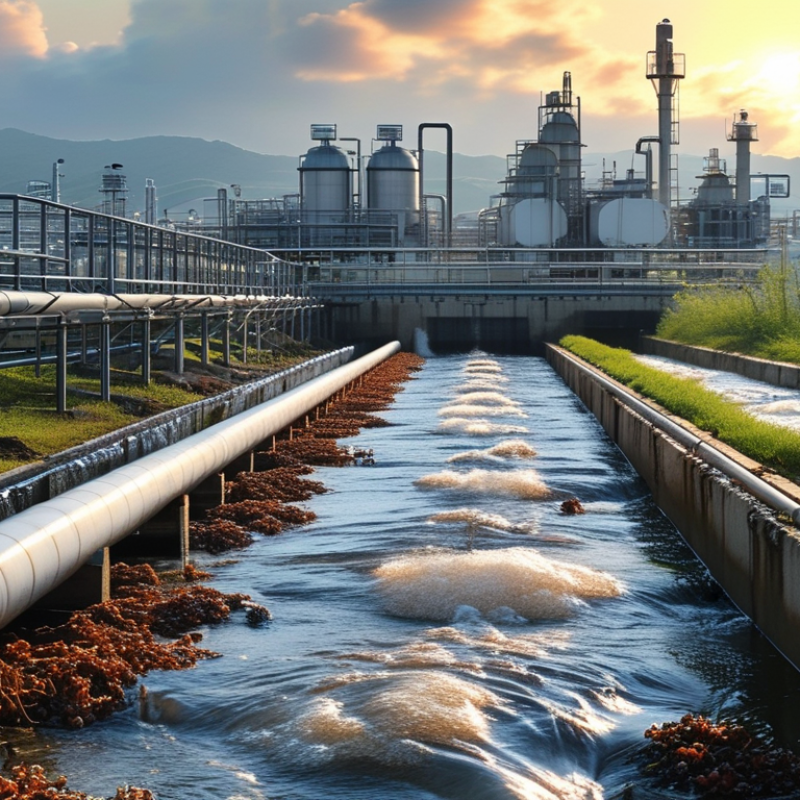
Additionally, water treatment plants utilize UF systems to ensure potable water meets health standards. A study showed that UF can remove up to 99.99% of pathogens, making it essential for public health. However, challenges remain, like fouling of membranes that can reduce efficiency. Ongoing research is necessary to improve membrane materials and designs, ensuring optimal performance.
What is Ultra Filtration and How Does it Benefit Your Industry?
| Application |
Process Overview |
Benefits |
Industry Example |
| Water Purification |
Removes suspended solids, bacteria, and macromolecules. |
Ensures clean drinking water, reduces chemical use. |
Municipal Water Treatment |
| Food & Beverage |
Separates proteins and fats in liquid products. |
Enhances product quality, extends shelf life. |
Dairy Industry |
| Pharmaceuticals |
Purifies solutions, removing impurities before production. |
Meets stringent regulatory standards, ensures consistency. |
Biotech Companies |
| Wastewater Treatment |
Cleans industrial effluents before discharge. |
Reduces environmental impact, recycles water. |
Manufacturing Facilities |
| Textile Industry |
Filters dyes and chemicals in wastewater. |
Improves water reuse, minimizes pollution. |
Clothing Manufacturers |
Applications of Ultra Filtration Across Various Industries
Ultra filtration (UF) is a reliable separation process used in many industries. Its applications range from food and beverage to pharmaceuticals. In the food industry, UF ensures the removal of unwanted particles and microorganisms. This leads to safer products with extended shelf lives. Common uses include juice clarification and dairy processing. The quality of final products is significantly enhanced.
In the pharmaceutical field, ultra filtration is crucial for purifying solutions. It helps in the concentration and purification of proteins and vaccines. This is vital, considering the high standards of safety in this sector. It also reduces the risk of contamination. Companies often face challenges in achieving consistent results. This underlines the need for continuous improvement in UF techniques.
Water treatment is another key area where ultra filtration shines. It effectively removes suspended solids and large bacteria. However, not all projects see immediate success. Sometimes, membrane fouling occurs, which can lead to decreased efficiency. Regular maintenance and proper design can minimize these issues. Addressing these challenges can enhance the reliability of ultra filtration systems across various industries.
Key Benefits of Ultra Filtration for Water Treatment Solutions
Ultra filtration (UF) is a pressure-driven separation process. It removes suspended solids, bacteria, and large molecules from water. This technology plays a vital role in various industries, particularly in water treatment solutions. According to recent industry reports, UF membranes can achieve a removal efficiency of over 99% for colloids and microorganisms. This efficiency makes UF an attractive option for ensuring clean water supply.
One of the key benefits of ultra filtration is its versatility. It can treat various water sources, including surface water, groundwater, and wastewater. The process often operates at low pressure, reducing energy consumption significantly. In fact, studies show that using UF can cut energy use by up to 30% compared to other membrane processes. This reduction not only lowers operational costs but also minimizes environmental impact.
Moreover, ultra filtration systems require minimal chemical additives. This characteristic leads to safer water treatment and reduces chemical waste. As highlighted in various reports, businesses adopting UF technology have reported a 50% decrease in chemical usage. However, challenges remain. The maintenance of UF membranes is crucial and can be complex, requiring regular monitoring to sustain performance. Balancing cost and efficiency is a continual challenge in achieving optimal treatment outcomes.
Key Benefits of Ultra Filtration for Water Treatment Solutions
Industry-Specific Data: Cost Savings and Efficiency Improvements
Ultra Filtration (UF) is revolutionizing various industries by providing significant cost savings and efficiency improvements. This membrane filtration technology effectively separates particles, bacteria, and other impurities from liquids. Industries like food and beverage, pharmaceuticals, and water treatment are reaping these benefits. For example, in the food industry, UF can enhance the quality of dairy products, leading to better flavors and longer shelf life.
Cost savings are often realized through reduced energy consumption and lower maintenance needs. UF systems typically require less energy compared to traditional filtration methods. Companies can operate with smaller equipment that has lower operational costs. In wastewater treatment, for instance, the reduction in chemical usage can lead to substantial savings over time. However, it’s essential to note that initial setup costs can be high, and some organizations may struggle with this investment.
Efficiency improvements are evident as UF systems streamline production processes. They can be easily integrated into existing infrastructures, minimizing downtime. Enhanced filtration leads to higher product yields and better resource management. While the benefits are compelling, businesses need to evaluate their specific applications and constraints. Not every facility will find UF to be the perfect solution, so challenges such as filtration fouling must be managed effectively.
Comparative Analysis: Ultra Filtration vs. Other Filtration Techniques
Ultra filtration is a powerful technique used in various industries for its efficiency in removing microscopic contaminants. When compared to traditional methods like membrane filtration and reverse osmosis, ultra filtration stands out for its ability to retain larger particles while allowing smaller molecules to pass through. This precise separation enhances the quality of purified water and other fluids, making it a suitable choice for food and beverage processing, pharmaceuticals, and wastewater treatment.
One notable difference is the pore size. Ultra filtration membranes typically have pore sizes ranging from 0.1 to 0.01 microns. This allows them to effectively filter out bacteria and some viruses, but not salts or sugars. Traditional filtration methods may not achieve the same level of purification. However, they might also be less expensive. Energy consumption can also vary. While ultra filtration is efficient, it often requires more energy compared to simpler techniques.
In practical applications, the complexity of system design can pose challenges. Implementing ultra filtration requires careful planning and investment. Industries must weigh these factors against the benefits of cleaner output and process efficiency. Overall, ultra filtration offers significant advantages but requires a thoughtful approach to integration into existing systems.


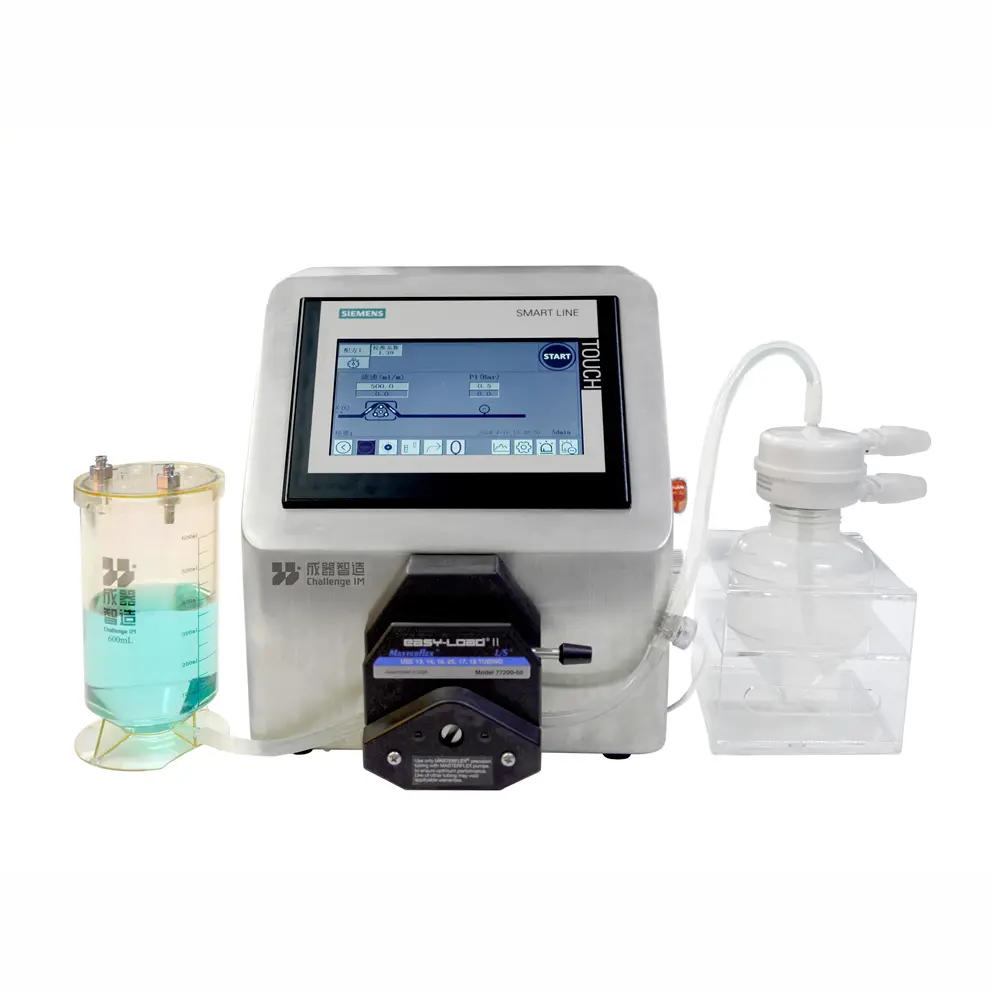
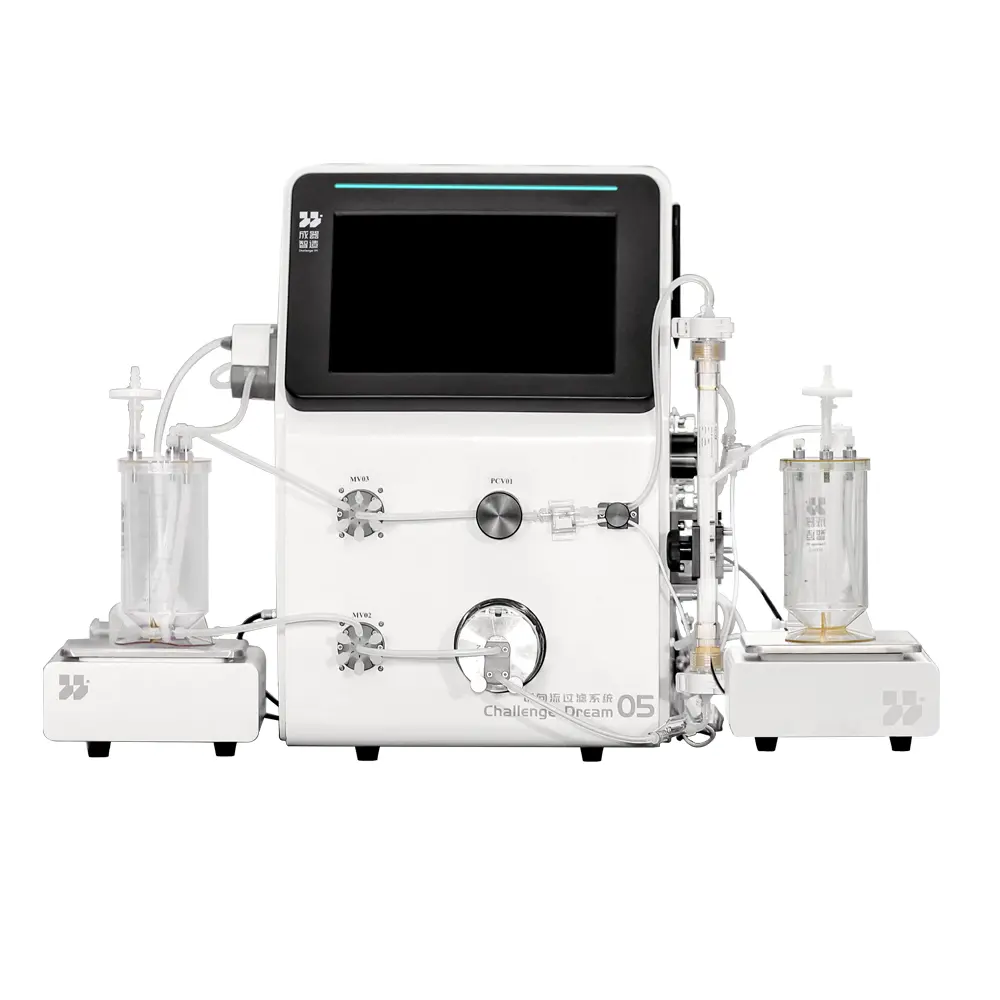 Tangential Flow Filtration(TFF) System
 Jump Pump
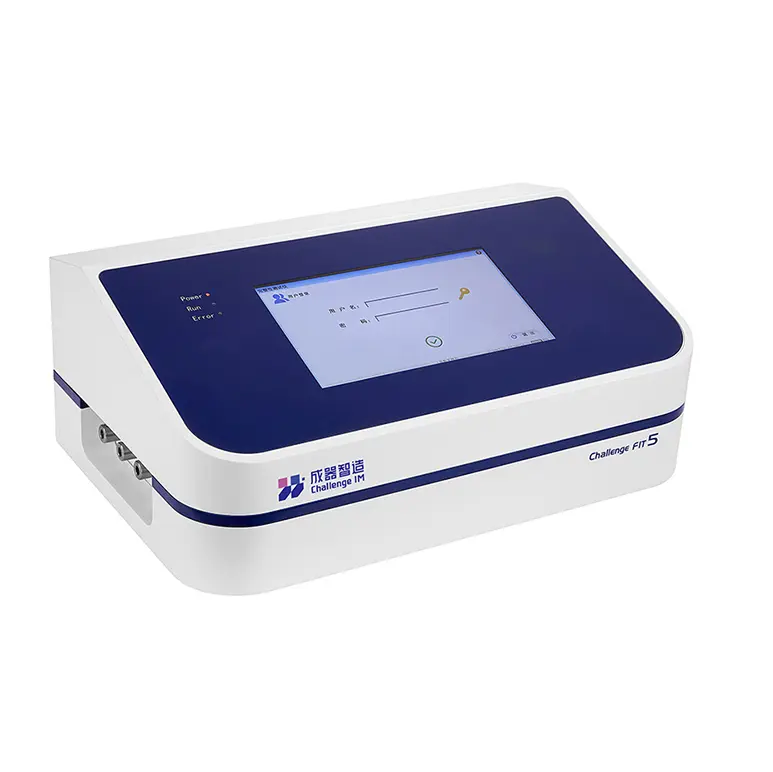 FIT Integrity Tester
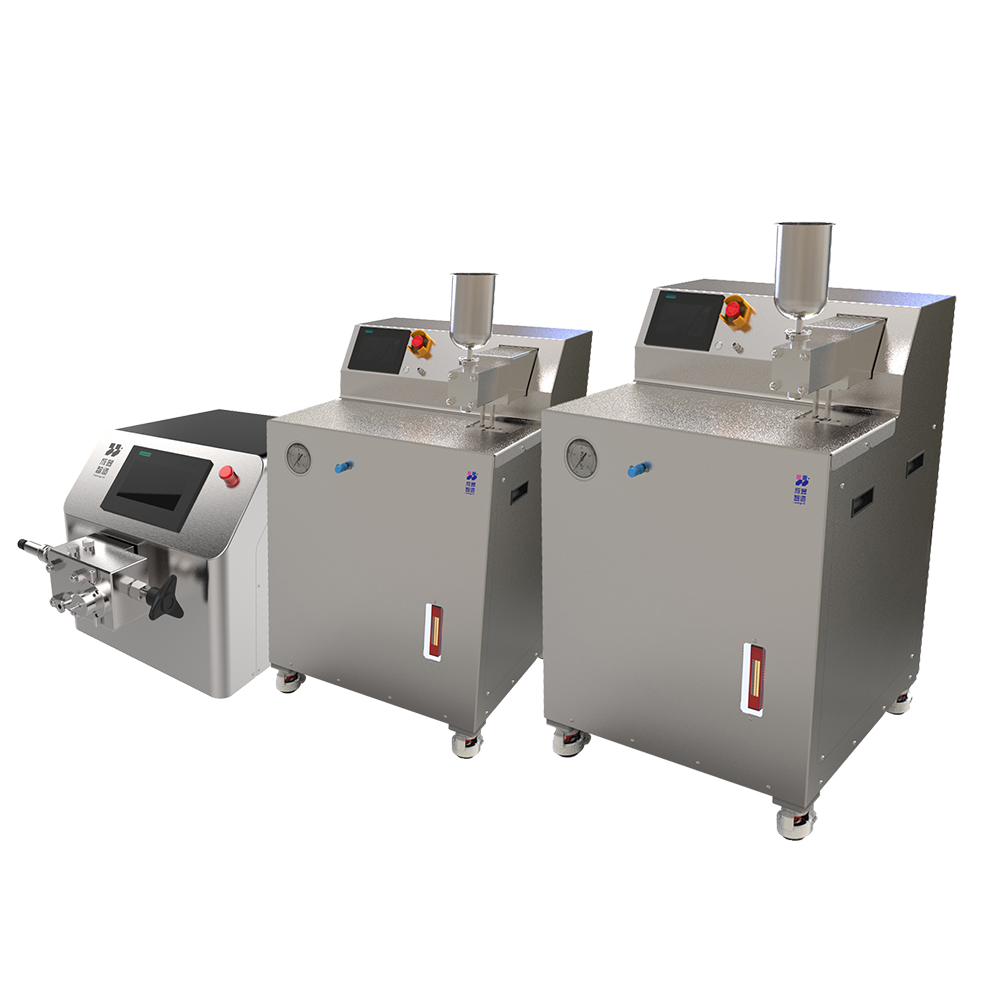 High Pressure Homogenizers
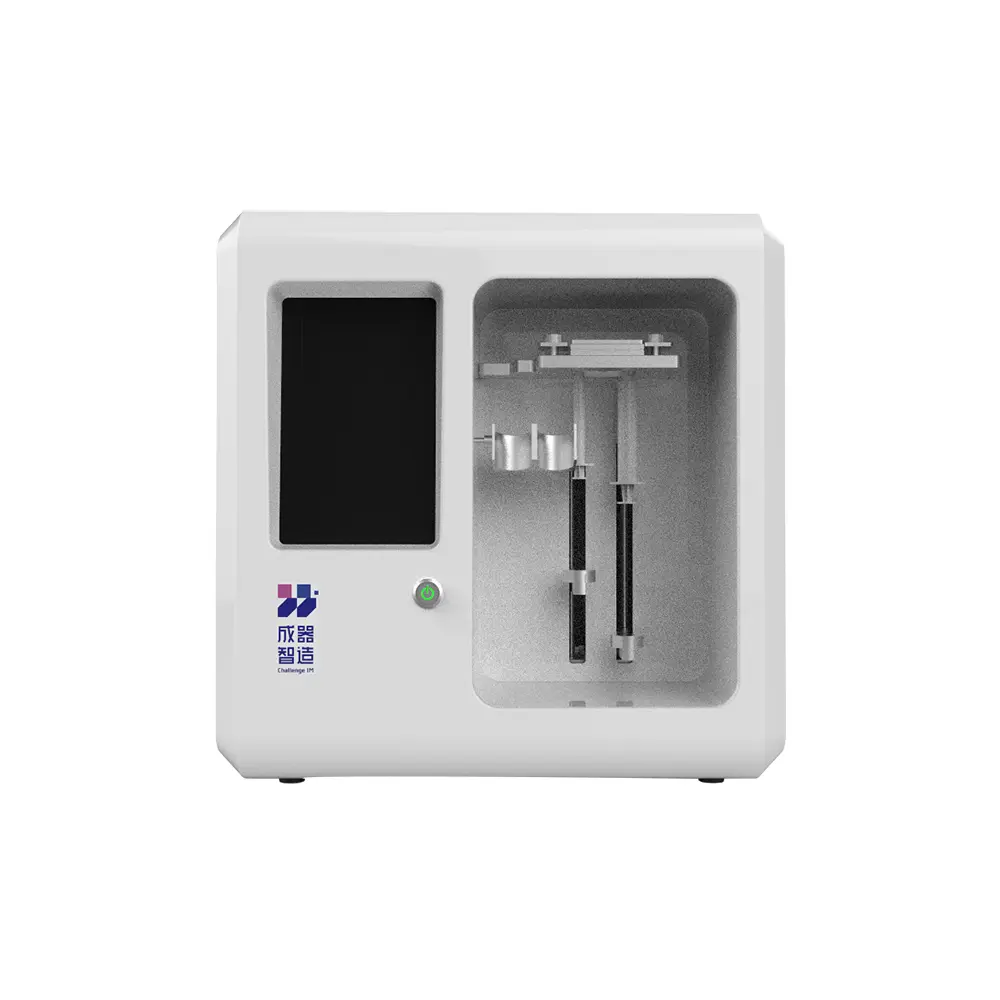 Microfluidics