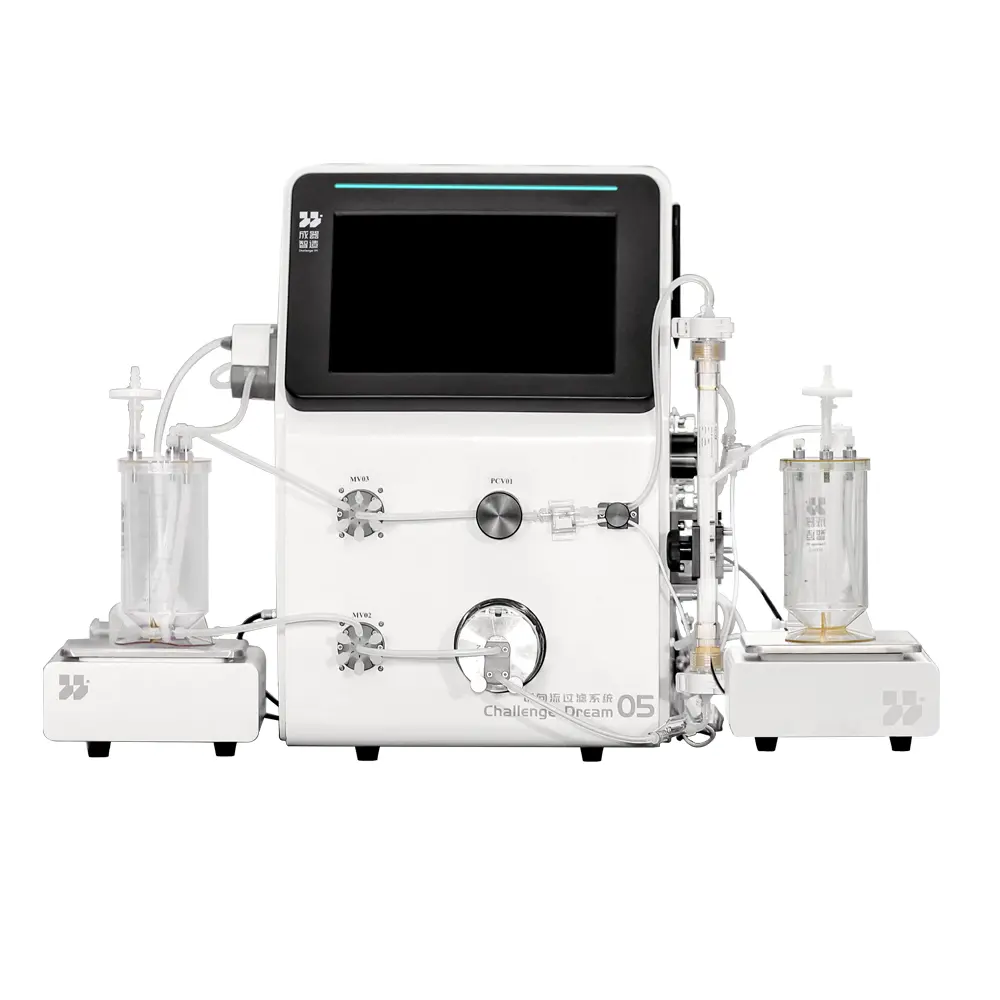
 Tangential Flow Filtration(TFF) System
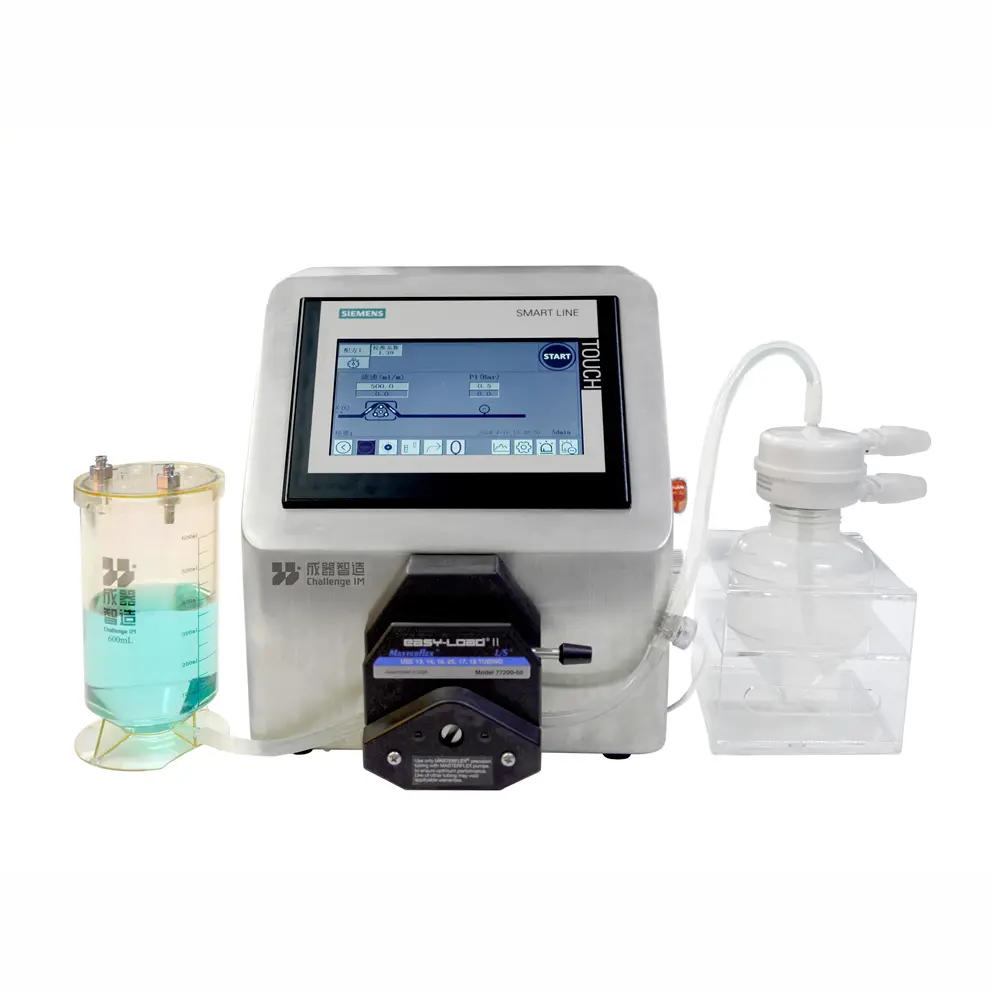 Jump Pump
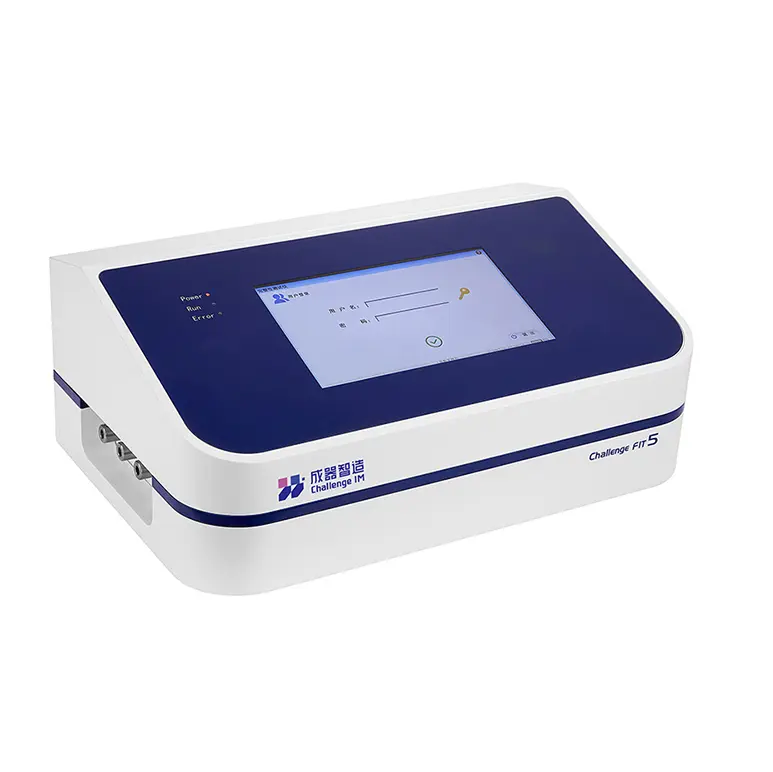 FIT Integrity Tester
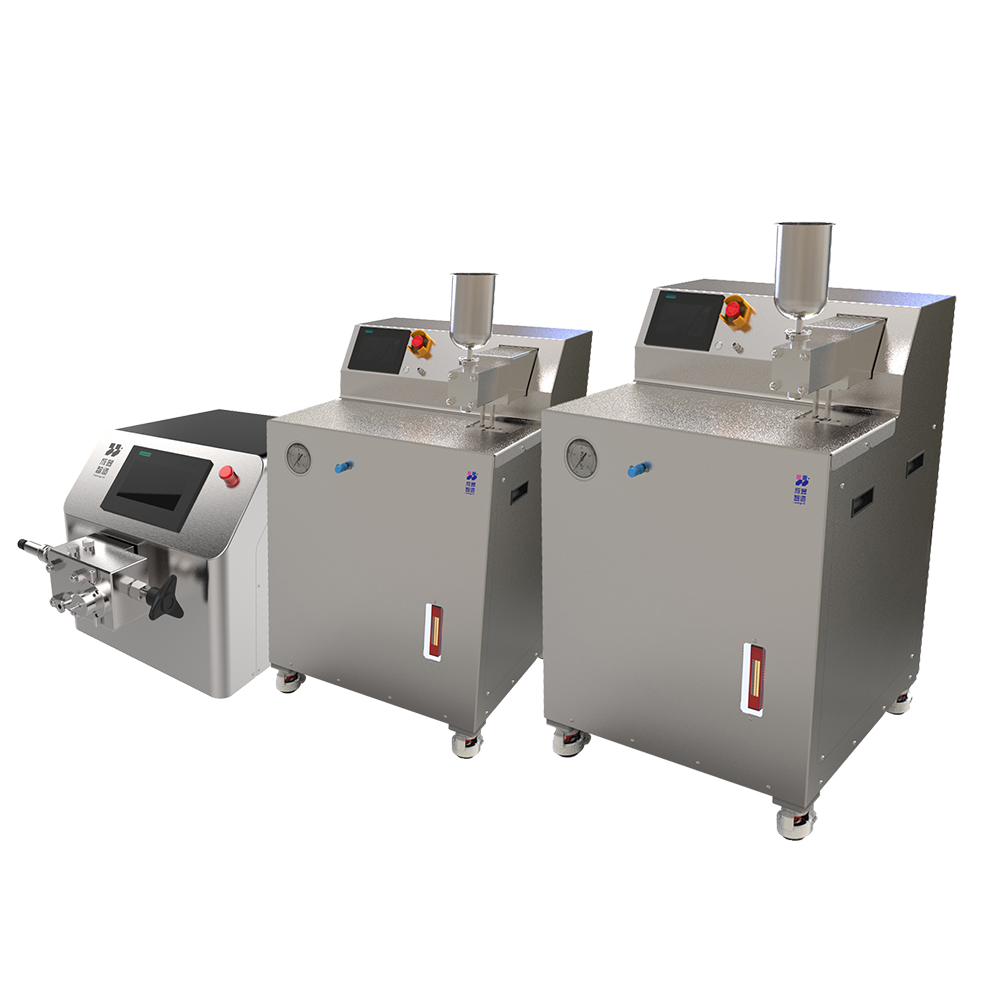 High Pressure Homogenizers
 Microfluidics
 Leave Your Message


Choosing reliable China Top Bag Filter Manufacturers for Global Buyers requires more than comparing prices or browsing polished websites. Bag Filters support dust collection in cement plants, woodworking shops, power stations, food factories, and other demanding environments. Their performance depends on filtration media, cage design, sealing quality, air-to-cloth ratio, and maintenance access. A suitable manufacturer should explain these details clearly, not hide behind broad claims.
This guide examines Chinese manufacturers through practical purchasing criteria, including production capability, engineering experience, quality control, certifications, export support, and after-sales service. Buyers should request material specifications, pulse-jet parameters, test records, sample photos, and references from similar industries. A factory visit can reveal useful details, such as clean welding seams, organized fabric storage, and traceable inspection labels. Small signs matter.
Not every supplier will suit every application.
Temperature, dust composition, humidity, and airflow can change the correct design. Experienced manufacturers usually ask technical questions before preparing a quotation. That behavior often indicates stronger engineering discipline. Still, documents alone are not enough. Certifications should be checked against the actual product and destination requirements. Claims should be verified independently where possible.
The following outline helps global buyers compare suppliers with a balanced view. It recognizes China’s strong manufacturing capacity while acknowledging uneven quality between factories. Careful evaluation reduces replacement costs, shipment delays, and unsuitable equipment. The goal is not to identify the cheapest option. It is to find a dependable partner that can deliver consistent Bag Filters and practical technical support over time.
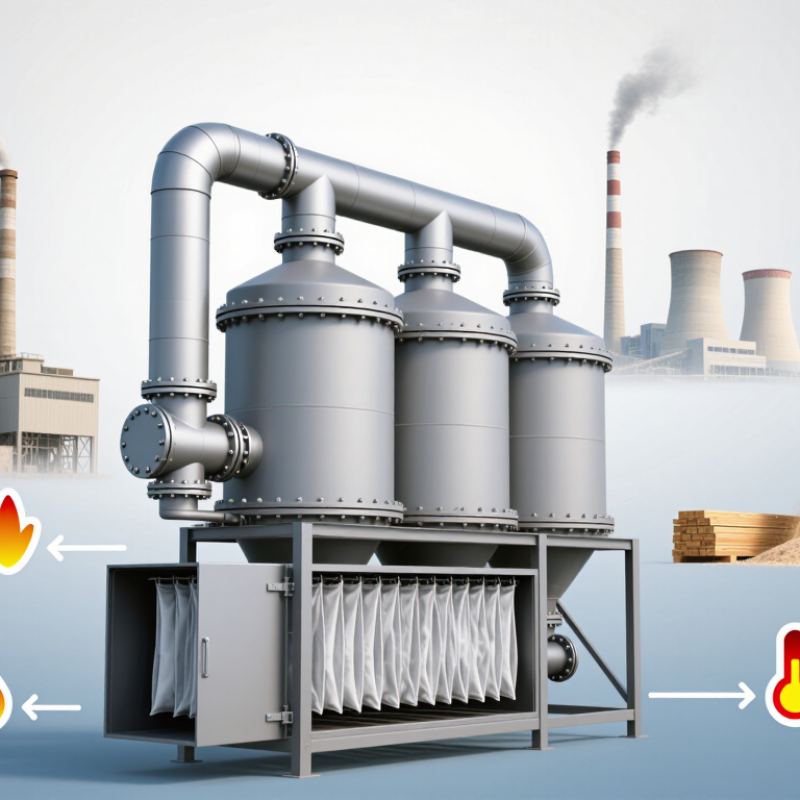
A leading bag filter manufacturer in China is defined by more than production volume. It begins with practical process experience. Engineers should understand dust type, gas temperature, moisture, particle size, and pressure loss before recommending a design. A reliable factory can show test records, material certificates, welding standards, and inspection checkpoints. Ask for evidence. Not promises. Strong manufacturers also control filter media selection. PTFE, PPS, aramid, and polyester each suit different operating conditions. A poorly matched fabric can harden, blind, or fail early. The best teams explain these risks clearly, including operating limits. That honesty matters.
Manufacturing depth appears in small details. Look for consistent seam stitching, accurate cage dimensions, clean welds, and secure snap-band construction. Request sample measurements, airflow data, and a replacement schedule based on actual dust loading. Factory audits can reveal storage conditions, calibration practices, worker training, and traceability from raw material to shipment. Certifications help, but they do not replace technical judgment. In practice, polished documents can hide weak process control. This is an uncomfortable point. Buyers should compare delivered performance, not only catalog specifications. A dependable supplier supports commissioning, records pressure trends, and responds when results differ from the design. Communication may still be imperfect. Drawings, acceptance criteria, and service responsibilities should be written before production begins.
| Evaluation Dimension | Practical Benchmark for a Leading Manufacturer | Why It Matters to Global Buyers | Recommended Verification Evidence |
|---|---|---|---|
| Product Scope | Provides filter bags, cages, venturis, pulse-jet components, replacement parts, and complete dust-collection support for industrial applications. | A broader product scope can reduce interface problems and simplify sourcing, installation, and maintenance. | Product catalog, technical drawings, application references, and a clearly defined supply scope. |
| Filter Media Selection | Offers commonly used media such as polyester, aramid, acrylic, PPS, PTFE-laminated materials, fiberglass, and spunbond options, subject to process conditions. | Media selection affects chemical resistance, temperature capability, filtration performance, service life, and operating cost. | Media datasheets, fiber and membrane specifications, temperature limits, and chemical-resistance information. |
| Operating Temperature | Provides application-specific temperature guidance rather than using one universal rating. Typical continuous limits vary substantially by media, finish, and process conditions. | Incorrect temperature selection can cause shrinkage, hydrolysis, oxidation, loss of strength, or premature failure. | Written temperature curves, maximum continuous and peak-temperature limits, and process-specific recommendations. |
| Filtration Performance | Defines filtration performance according to the selected media, dust properties, airflow, cleaning method, and equipment design; does not rely only on a generic efficiency claim. | Real-world emissions and pressure drop depend on the complete filtration system, not only on the fabric name. | Laboratory test data, filtration test method, dust characteristics, airflow conditions, and signed technical documentation. |
| Pressure Drop Control | Optimizes fabric permeability, surface treatment, bag dimensions, and cleaning parameters to control initial and operating pressure drop. | Lower and more stable pressure drop can reduce fan energy consumption and improve system availability. | Clean-air permeability data, pressure-drop curves, recommended air-to-cloth ratio, and cleaning-cycle guidance. |
| Dimensional Accuracy | Controls length, diameter, seam position, snap-band or flange dimensions, cage fit, and sealing details according to approved drawings. | Accurate dimensions help prevent bypass leakage, installation delays, abrasion, and premature wear. | Approved drawings, inspection records, dimensional tolerances, sample fitting, and pre-shipment inspection reports. |
| Seam and Construction Quality | Uses suitable sewing thread, seam configuration, reinforcement, bottom construction, and finish for the dust, temperature, and cleaning conditions. | Seams and attachment areas are common locations for leakage, tearing, and mechanical failure. | Seam samples, sewing specifications, tensile or burst-test records where applicable, and visual inspection standards. |
| Pulse-Jet Compatibility | Designs bags and support cages to match the cleaning pressure, pulse duration, cage geometry, and collector configuration. | Correct compatibility improves dust release and reduces bag abrasion caused by unsuitable cleaning conditions. | Pulse-cleaning parameters, cage drawings, installation instructions, and compatibility confirmation for the dust collector model. |
| Quality Management | Maintains documented incoming-material inspection, in-process controls, final inspection, traceability, and corrective-action procedures. | Consistent quality is more dependable than a low unit price when replacement intervals and production continuity matter. | Quality manual, inspection plan, batch records, calibration records, nonconformance procedure, and relevant certification. |
| Customization Capability | Can adapt dimensions, materials, finishes, anti-static treatments, PTFE membranes, wear protection, and labeling to the application. | Industrial dust conditions vary widely across cement, steel, mining, chemical, biomass, food, and waste-processing operations. | Engineering questionnaire, sample-development process, prototype approval procedure, and customization lead time. |
| Application Engineering | Evaluates dust composition, particle size, moisture, stickiness, corrosiveness, gas temperature, airflow, cleaning method, and emissions requirements before recommending a solution. | Application-based selection reduces the risk of choosing a technically unsuitable filter bag. | Completed application data sheet, selection calculations, written assumptions, and technical review records. |
| Compliance Documentation | Supplies material declarations, certificates of conformity, inspection reports, packing lists, commercial invoices, and other documents required by the destination market. | Accurate documentation supports customs clearance, internal approvals, audits, and project handover. | Document checklist agreed before production, sample certificates, country-of-origin information, and export documentation process. |
| Packaging and Export Readiness | Uses moisture-resistant, dimensionally suitable packaging with clear identification, quantity labeling, protection against crushing, and shipment traceability. | Proper packaging reduces transport damage and makes warehouse receiving and installation preparation easier. | Packing specifications, package photographs, pallet or carton details, shipping marks, and pre-shipment inspection records. |
| Testing and Inspection | Performs inspections appropriate to the product, including material verification, dimensions, workmanship, permeability, strength, fit, and visual quality. | Defined testing reduces variability between batches and provides objective acceptance criteria. | Inspection and test plan, calibrated equipment list, test reports, retained samples, and agreed acceptance limits. |
| Lead Time and Supply Stability | Provides a realistic production schedule, maintains control of critical raw materials, and communicates changes before shipment. | Predictable replenishment is important for planned shutdowns and continuous-process industries. | Production schedule, capacity statement, reorder planning process, safety-stock options, and on-time delivery records. |
| After-Sales Support | Provides installation guidance, troubleshooting, failure analysis, replacement recommendations, and technical response after delivery. | Good support helps identify whether a failure comes from media selection, operating conditions, cleaning settings, or installation. | Service procedure, response-time commitment, troubleshooting guide, failure-analysis template, and technical contact details. |
| Total Cost of Ownership | Evaluates purchase price together with service life, pressure drop, cleaning-air consumption, replacement labor, downtime risk, and disposal requirements. | The lowest initial price may not produce the lowest operating cost over the full replacement cycle. | Lifecycle-cost comparison, expected service-life assumptions, pressure-drop data, consumption estimates, and warranty terms. |
Note: Performance values and service-life expectations must be confirmed for the specific dust, gas composition, temperature, airflow, cleaning system, and operating conditions. No single filter-bag specification is suitable for every application.