Best Nanofiltration System for Efficient Water Purification?
Water purification has become a vital concern in today's world. With increasing pollution and water scarcity, the need for efficient treatment systems is paramount. The Nanofiltration System represents an innovative solution in this domain. According to a report by the Market Research Future, the global nanofiltration membrane market is projected to reach USD 2.51 billion by 2027, growing at a CAGR of 7.4%. This growth highlights the increasing reliance on nanofiltration technology in water treatment.
Nanofiltration systems offer selective separation of contaminants, making them ideal for removing hard water ions and organic molecules. Unlike traditional filtration methods, they operate effectively at lower pressure, resulting in energy savings and sustainability. However, one must consider that nanofiltration is not a catch-all solution. Some contaminants may still pass through, necessitating complementary treatment processes.
Despite the advantages, not all nanofiltration systems are created equal. Users must evaluate various factors like membrane material, fouling rates, and operational costs. Research from the American Water Works Association indicates that poor system selection can lead to inefficiencies and increased maintenance. Thus, careful consideration is crucial for achieving optimal performance in water purification.
Understanding Nanofiltration and Its Importance in Water Purification
Nanofiltration has emerged as a vital technology in the domain of water purification. This process utilizes semi-permeable membranes to filter out contaminants. It effectively removes divalent ions, such as calcium and magnesium, while allowing monovalent ions, like sodium and chloride, to pass through. According to research from the Water Quality Association, nanofiltration can achieve up to 90% removal of specific contaminants, ensuring cleaner and safer water.
In urban areas, the rising levels of pollutants pose a significant threat to water quality. Nanofiltration systems offer an efficient solution by reducing the concentration of harmful substances. A study highlighted that these systems provide a balance between effectiveness and cost. They can remove 1-10 nanometer particles, which include many organic molecules and larger microorganisms. By doing so, they address concerns related to health and environmental sustainability.
Tip: Regular maintenance of nanofiltration systems is crucial. Check membranes for fouling and replace them as needed to optimize performance.
While the benefits are clear, challenges exist. Not all nanofiltration membranes are created equal. Some may not perform well under varying pH levels. Therefore, thorough research and testing are essential before implementation. Understanding the specific needs of your water source can guide you in choosing the right system.
Tip: Monitor your water quality regularly. This can help you identify changes that may require adjustments in filtration methods.
Key Features of Effective Nanofiltration Systems for Water Treatment
Nanofiltration (NF) systems offer a unique solution for water purification. They effectively remove contaminants like heavy metals and organic substances while retaining beneficial minerals. According to the American Water Works Association, NF can reduce total dissolved solids (TDS) by up to 90%. This level of efficiency makes it a go-to choice for many applications.
Key features of effective NF systems include membrane technology, operational efficiency, and scalability. Advanced membranes made from polyamide can enhance filtration performance. They are designed to operate under variable pressure conditions, which can improve energy consumption. The scalability aspect is also vital; systems can be adapted for various water sources, whether for industrial or residential use.
Tip: Regular monitoring and maintenance can prevent fouling on the membrane, ensuring optimal performance. Another tip is to choose systems equipped with automated monitoring technology. This feature can alert you to any issues before they become serious.
While NF systems are highly efficient, they are not without challenges. Over time, membranes can degrade or become less effective. Users need to be aware of the signs of membrane failure, such as a drop in water quality or production rate. Continual assessment and timely replacement of membranes are critical for sustained performance.
Comparison of Leading Nanofiltration Systems on the Market
When it comes to choosing a nanofiltration system, understanding the features is essential. These systems can significantly enhance water quality by removing specific contaminants. Their ability to filter out larger particles while allowing beneficial minerals to pass through makes them unique. Many systems focus on different aspects, such as ease of installation, maintenance, and membrane longevity. Assessing these characteristics will help in making an informed decision.
Reliability is key when comparing leading systems. Users often find that variations in flow rates affect overall efficiency. Some products might require more energy or regular filter replacements, adding to long-term costs. Not every system performs equally under diverse water conditions. Real user reviews can shed light on these discrepancies, revealing crucial insights that specifications alone may not capture.
It's important to evaluate the overall effectiveness and user experience. Some systems promise high purification levels but may fall short in practical applications. Assessing third-party testing can provide additional context. Exploring different options, while considering reviews and efficacy, can help make a well-rounded choice. Each system may excel in specific areas but might have compromises in others.
Best Nanofiltration System for Efficient Water Purification?
| Feature |
System A |
System B |
System C |
System D |
| Removal Rate (%) |
90% |
85% |
92% |
88% |
| Flow Rate (L/h) |
350 |
400 |
300 |
450 |
| Operating Pressure (bar) |
7 |
6 |
8 |
5 |
| Energy Consumption (kWh) |
1.5 |
2.0 |
1.2 |
1.8 |
| Cost ($) |
900 |
850 |
950 |
800 |
Maintenance Tips for Optimal Performance of Nanofiltration Systems
Nanofiltration systems are essential for effective water purification. However, they require regular maintenance for optimal performance. Cleaning the membranes is crucial. Even a slight buildup can affect the filtration process. Depending on water quality, membranes may need to be cleaned every few months. Using the right cleaning agents is vital. Incorrect chemicals can damage the membranes.
Monitoring pressure levels is another important factor. If pressure drops unexpectedly, it may indicate a blockage. Regularly check pressure gauges to identify issues early. Also, replace filters according to the manufacturer’s recommendations. Timely replacements can prevent contaminants from bypassing the system.
Pay attention to water quality. Keep a log of changes in water clarity and taste. If issues arise, investigate promptly. Addressing minor problems can prevent major breakdowns. Inadequate upkeep leads to inefficient systems. Users often overlook these maintenance tips and suffer later. Prioritizing routine checks ensures a long-lasting, reliable water purification solution.
Water Purification Efficiency of Nanofiltration Systems
Environmental and Health Benefits of Utilizing Nanofiltration Technology
Nanofiltration technology offers significant environmental and health benefits. This innovative method effectively removes contaminants. It is designed to target specific substances while allowing essential minerals to pass through. This selective filtration can enhance water quality without excessive waste.
One of the key benefits is the reduction of harmful chemicals in our water supply. By filtering out pesticides and heavy metals, nanofiltration improves water safety. Shorter processing time and lower energy usage make this method more sustainable. Healthier water leads to better overall community well-being.
Tips for utilizing nanofiltration:
- Regularly check your system for maintenance.
- Monitor water quality to ensure optimal performance.
- Avoid unnecessary additives that may hinder filtration efficiency.
Implementing nanofiltration can also reduce plastic waste. Relying less on bottled water can significantly decrease pollution. It is a step toward a more sustainable lifestyle. As we embrace this technology, we must reflect on our habits and strive for more sustainable practices.


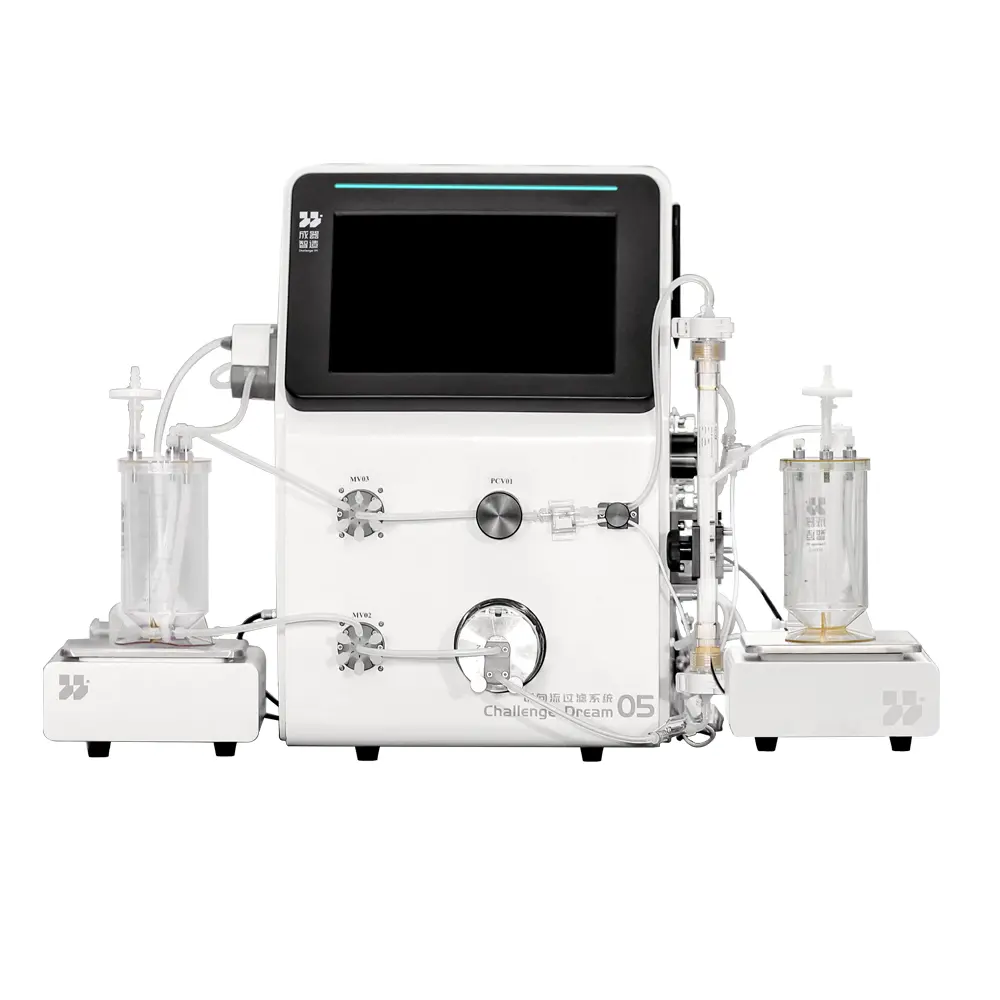 Tangential Flow Filtration(TFF) System
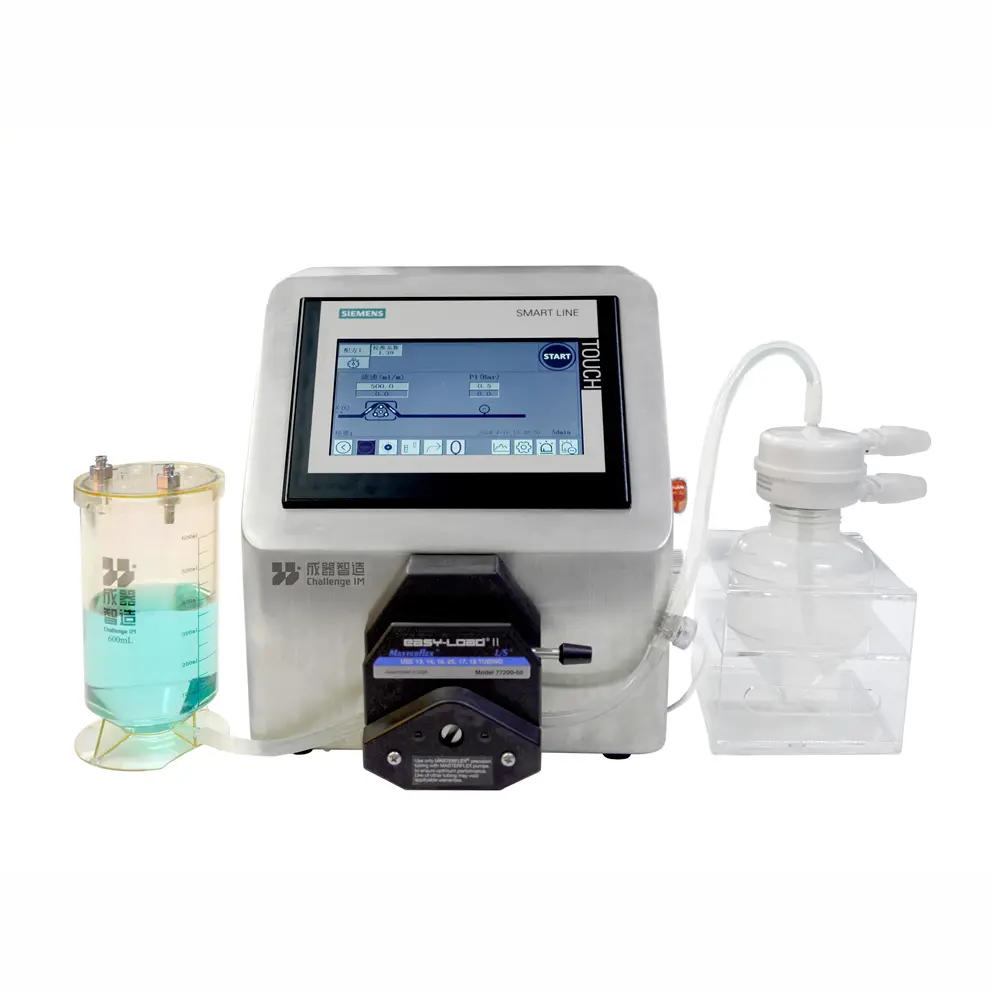 Jump Pump
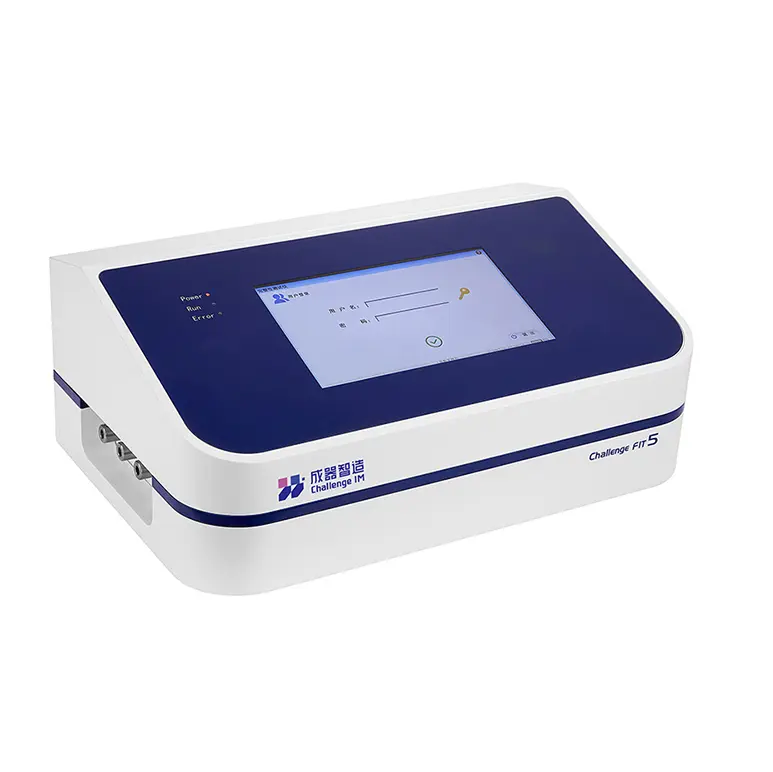 FIT Integrity Tester
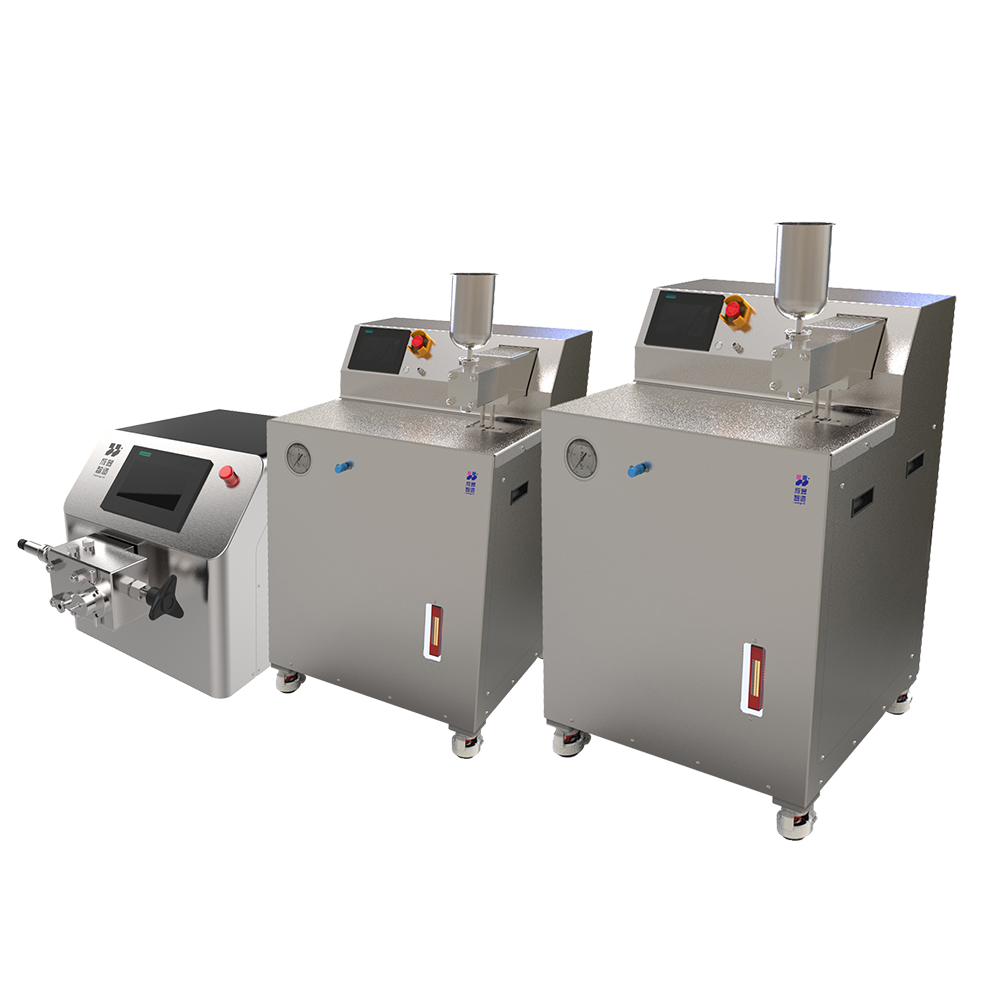 High Pressure Homogenizers
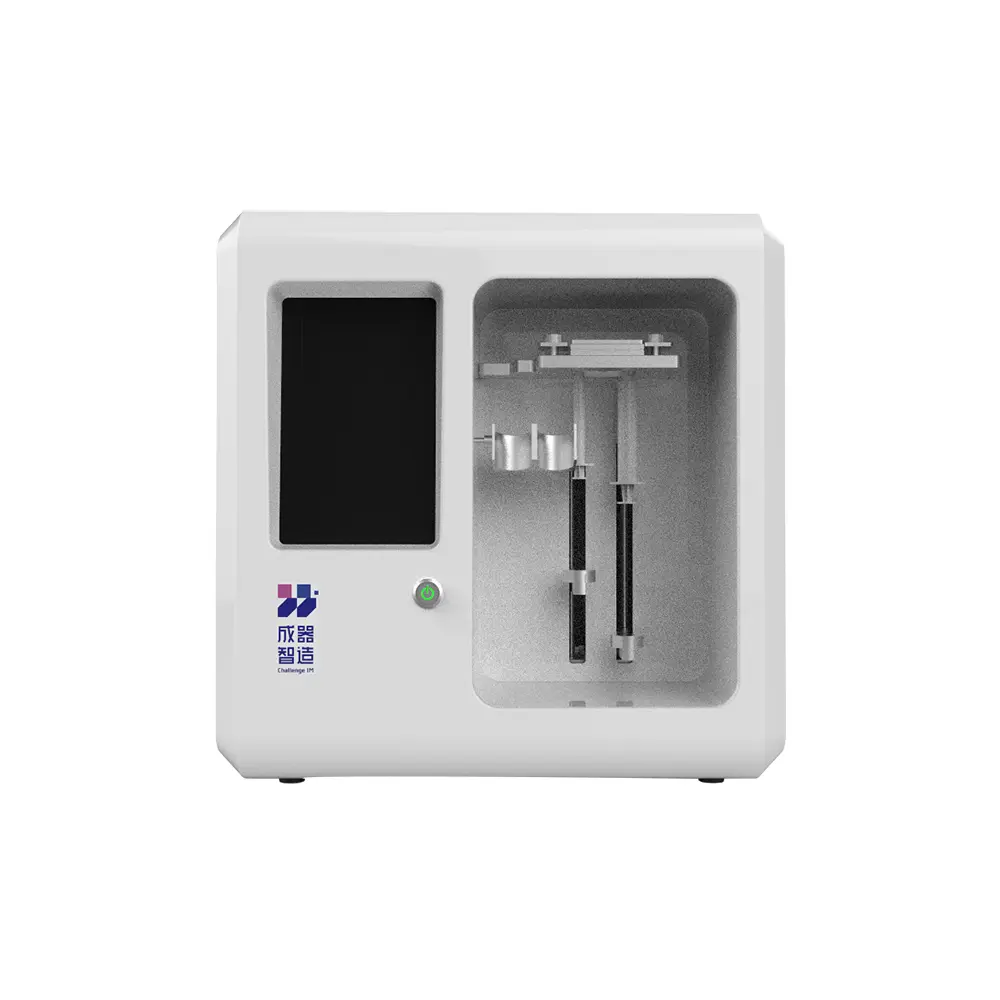 Microfluidics