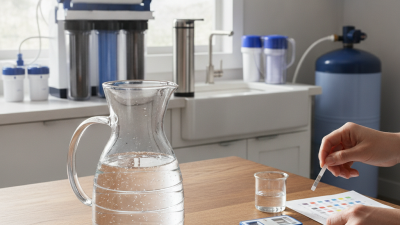
China Top 10 Filtration System Manufacturers?
China’s filtration industry has become a critical supplier to water treatment, pharmaceuticals, food processing, electronics, and industrial manufacturing. The country offers broad production capacity, competitive engineering, and increasingly strict quality controls. However, choosing a reliable Filtration System manufacturer requires more than comparing factory prices.
Recent market research supports this growing demand. MarketsandMarkets reports that the global industrial filtration market is expanding as manufacturers manage water scarcity, contamination risks, and tighter environmental standards. Grand View Research also identifies water and wastewater treatment as major drivers of filtration equipment demand. In China, the Ministry of Industry and Information Technology continues promoting advanced manufacturing, energy efficiency, and cleaner production. These trends create opportunities, but they also expose differences between suppliers.
Not every large factory delivers consistent performance.
This guide reviews China’s top 10 filtration system manufacturers through practical criteria. These include product range, filtration accuracy, material quality, certifications, production capability, export experience, and after-sales support. The review also considers application details, such as stainless-steel housings, membrane compatibility, flow-rate stability, and replacement-part availability. Such details often decide whether a system performs reliably after installation.
The ranking should not be treated as absolute. Supplier strengths can change by project size, industry, and technical specification. Buyers should verify test reports, certifications, references, and factory capabilities independently. That step is sometimes overlooked. A careful comparison can reduce maintenance costs, prevent process interruptions, and support safer long-term operations.
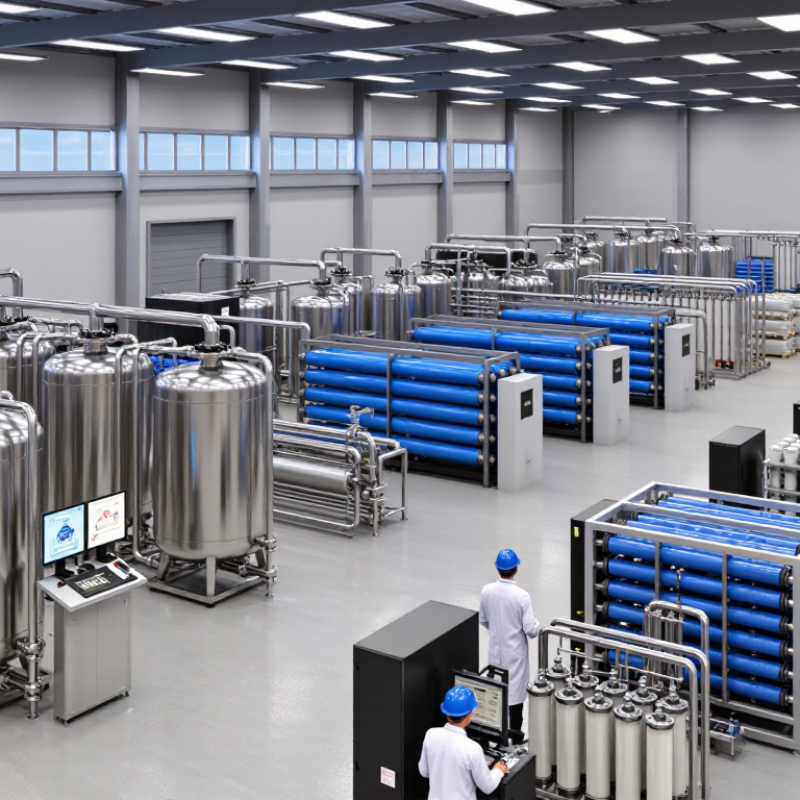
Filtration Systems Explained: Media, Membranes, and 0.01–100 μm Ratings
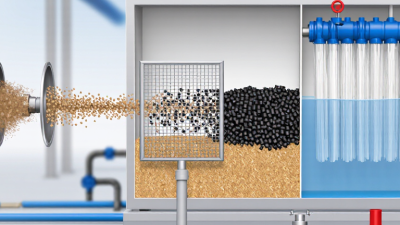
Filtration systems are easier to compare when each rating has a physical meaning. Media filters trap particles through depth, adhesion, or surface screening. Sand beds may remove grit, while activated carbon targets taste, odor, and some organic compounds. Coarser screens, often near 100 μm, protect pumps from leaves, fibers, and visible debris. These systems need pressure checks and scheduled backwashing. Clean water is not automatic.
Membranes work differently. Microfiltration commonly addresses larger suspended solids, while ultrafiltration can reach about 0.01 μm. However, a pore rating is not the same as guaranteed contaminant removal. Feed pressure, temperature, fouling, and surface chemistry can change performance. Reverse osmosis is often described by rejection percentage rather than a simple pore size. Ask for independent test data, recovery figures, and the exact test organism or particle. Numbers need context.
When comparing China’s top filtration system manufacturers, buyers should inspect engineering records, factory testing, and after-sales response. A reliable supplier should explain why a 5 μm cartridge fits your process, not merely quote a catalog rating. Request material certificates, pressure limits, replacement intervals, and maintenance photographs. Pilot trials are useful, but they are not perfect. A short test may miss seasonal turbidity or unexpected oil loading. I would treat impressive removal claims carefully until the water chemistry is measured.
China Top 10 Filtration System Manufacturers? — Filtration Systems Explained: Media, Membranes, and 0.01–100 μm Ratings
This chart compares representative nominal filtration-rating bands used in common media, cartridge, bag, and membrane systems. Lower micron ratings indicate finer particle separation. Actual performance varies with filter construction, operating conditions, and whether the rating is nominal or absolute.
China’s Top 10 Manufacturers: Products, Capacity, and ISO 9001 Certification
China’s Top 10 Filtration System Manufacturers: Products, Capacity, and ISO 9001 Certification
China’s leading ten filtration manufacturers serve water treatment, chemicals, food processing, pharmaceuticals, and industrial air control. Their product ranges include membrane systems, cartridge filters, bag filters, filter presses, and oil separation units. Grand View Research valued the global industrial filtration market at approximately USD 33 billion in 2023. Asia-Pacific remains its largest regional market. This supports China’s strong manufacturing position.
Production capacity differs sharply across the ten suppliers. Large facilities may produce thousands of filter housings annually, while specialized plants focus on custom skids and laboratory systems. Many manufacturers operate stainless-steel workshops, automated welding lines, and in-house testing stations. Reported capacity should be checked carefully. Some figures combine assembly, subcontracting, and theoretical output. That weakness matters.
ISO 9001 certification appears frequently among established Chinese filtration manufacturers. It indicates a documented quality system, but it does not guarantee identical product performance. Buyers should verify the certificate number, issuing body, scope, and expiry date. The International Organization for Standardization reported more than one million ISO 9001 certificates worldwide in its latest survey. Certification is common. Verification remains essential. Practical audits should review pore-size testing, pressure records, material traceability, and after-sales response. Factory experience still matters, especially when systems handle variable flow rates or corrosive liquids.
Performance Benchmarks: HEPA Filtration at 99.97% Efficiency and 0.3 μm
China’s top 10 filtration system manufacturers should be compared through measurable HEPA performance, not marketing claims. A true HEPA filter must capture 99.97% of particles at 0.3 μm under defined test conditions. This figure is meaningful only when airflow, pressure, and test methods are recorded.
In practical factory evaluations, engineers should request factory leak-test reports, independent laboratory data, and batch traceability. Scan the gasket area carefully. Poor sealing can reduce real protection, even when the filter media meets its rating. Pressure drop also matters. A filter showing excellent efficiency may restrict airflow and increase fan energy use. During commissioning, technicians can measure upstream and downstream particle counts with calibrated equipment. They should also inspect welded frames, adhesive joints, and replacement access.
The strongest manufacturers usually provide ISO-based testing, stable media quality, and clear service procedures. Yet supplier rankings can be imperfect. Production consistency may change between batches, and one impressive sample proves little. I would compare at least three production lots, not just one laboratory unit. Ask how the system performs after vibration, humidity exposure, and extended operation. These details reveal engineering maturity. A clean test room is useful. Real installations are less forgiving. Their documentation should explain limitations, maintenance intervals, and acceptable pressure-drop ranges without vague promises.
Water Treatment Metrics: RO Recovery, Flux, Pressure, and NSF/ANSI 58
When comparing China’s top 10 filtration system manufacturers, water metrics deserve more attention than factory size or catalog claims. In practical system reviews, I check RO recovery first. It measures permeate flow divided by feed flow. A 75% recovery rate sounds efficient, but it may increase scaling risk when feed water contains calcium, silica, or iron. The correct target depends on water analysis, pretreatment, and cleaning access.
Flux shows how much water crosses each square meter of membrane area. It is usually reported in liters per square meter per hour. Higher flux can reduce equipment size, but excessive flux may accelerate fouling and shorten membrane life.
Pressure also needs context. Feed pressure changes with temperature, salinity, membrane age, and recovery. A pressure gauge alone cannot prove good performance. I prefer recording flow, conductivity, temperature, and pressure at the same time.
For household and point-of-use systems, NSF/ANSI 58 provides a useful verification framework for reverse osmosis systems. It addresses material safety, structural integrity, and contaminant reduction claims under defined test conditions. Certification should be checked for the exact model, not assumed across an entire product range. This is where many comparisons become weak.
A polished datasheet may omit test water conditions, replacement intervals, or real recovery. One field lesson remains uncomfortable: laboratory results can look excellent while installation practice quietly reduces performance. Clear records matter.
How to Compare Suppliers: Lifecycle Cost, Lead Time, Testing, and After-Sales Service
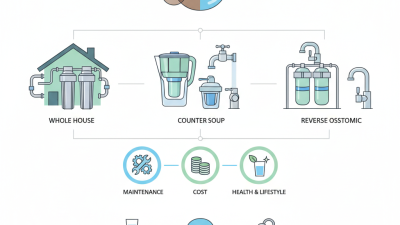
Choosing among China’s top 10 filtration system manufacturers requires more than comparing quoted prices. A low initial bid may hide expensive replacement cartridges, energy use, cleaning chemicals, and technician visits. Request a five-year lifecycle cost model with assumptions shown clearly. Check membrane life, pump efficiency, spare-part prices, and disposal requirements. The cheapest option often changes later.
Lead time should be verified, not simply promised. Ask for production milestones, factory acceptance testing, and shipping records from similar projects. Require documented tests for flow rate, pressure loss, filtration accuracy, material compatibility, and leak resistance. A sample test report is not enough. Witness testing when possible.
Experience matters on the factory floor. Review installations handling similar water quality, temperature, and daily volume. Speak with recent customers, not only supplied references. Confirm whether engineers provide commissioning, operator training, remote support, and emergency response. Clarify response times in writing. Service details matter.
I would also inspect drawing quality and communication habits. Small errors in nozzle size or control logic can delay installation. Some suppliers answer quickly but avoid difficult questions. That is a warning. A practical comparison sheet should score testing, documentation, lead time, lifecycle cost, and after-sales support separately. My own evaluations have sometimes overvalued polished presentations. Field evidence is usually less impressive, but more useful.


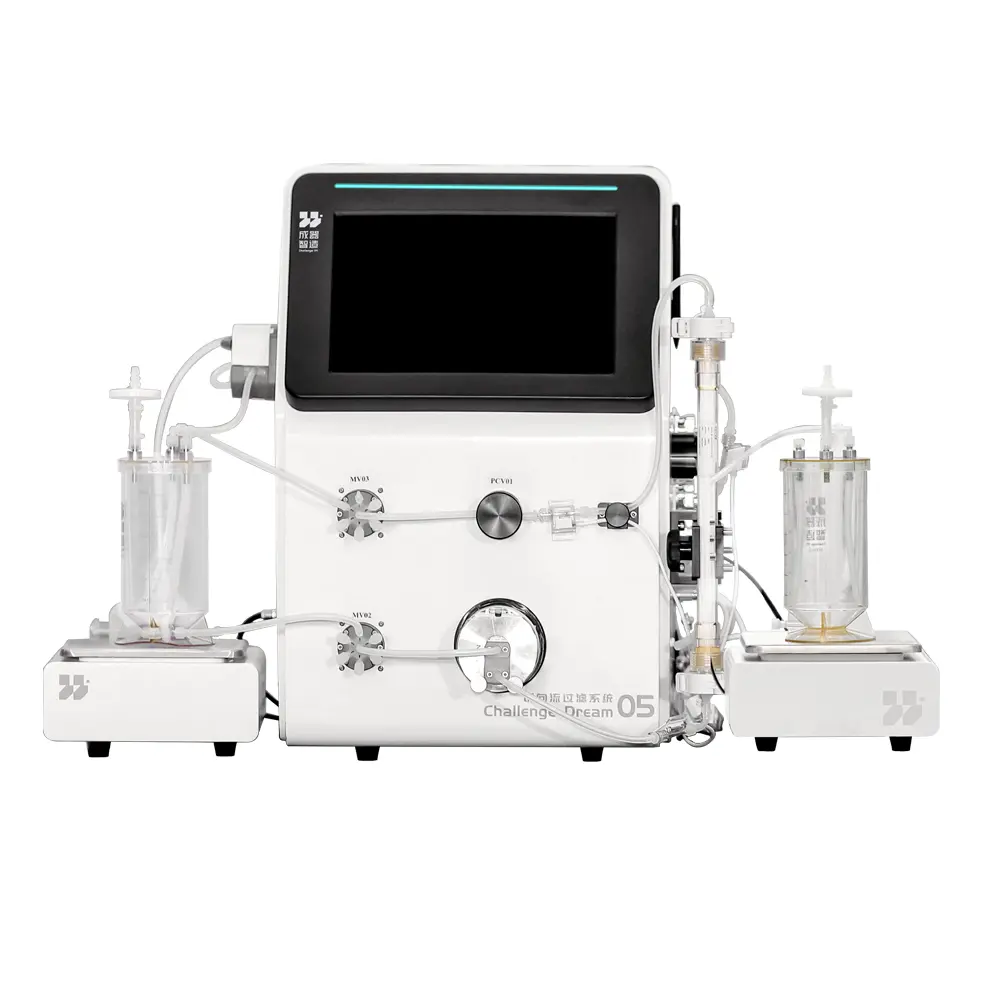 Tangential Flow Filtration(TFF) System
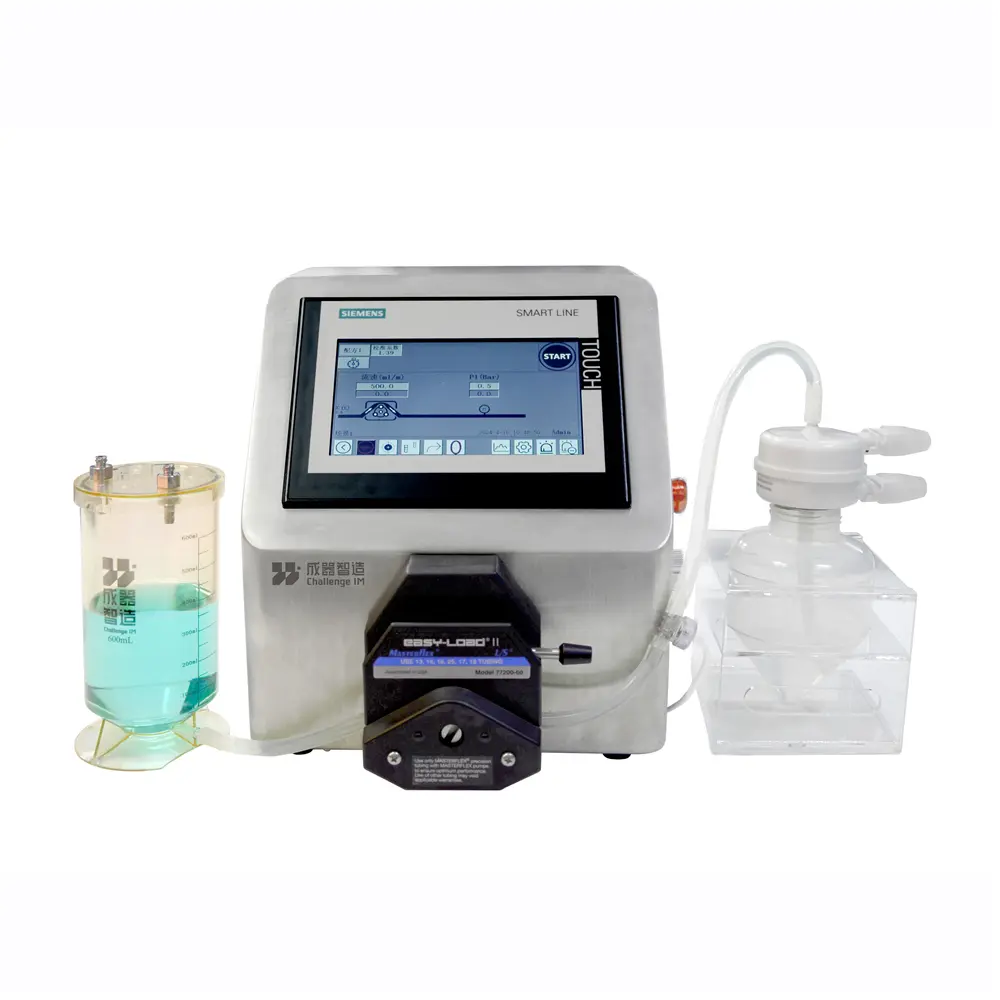 Jump Pump
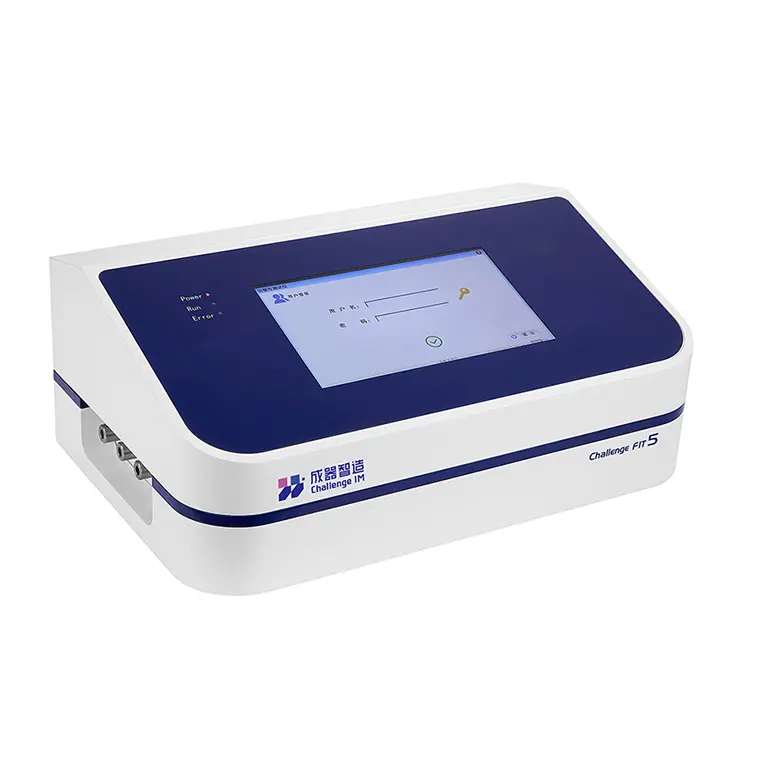 FIT Integrity Tester
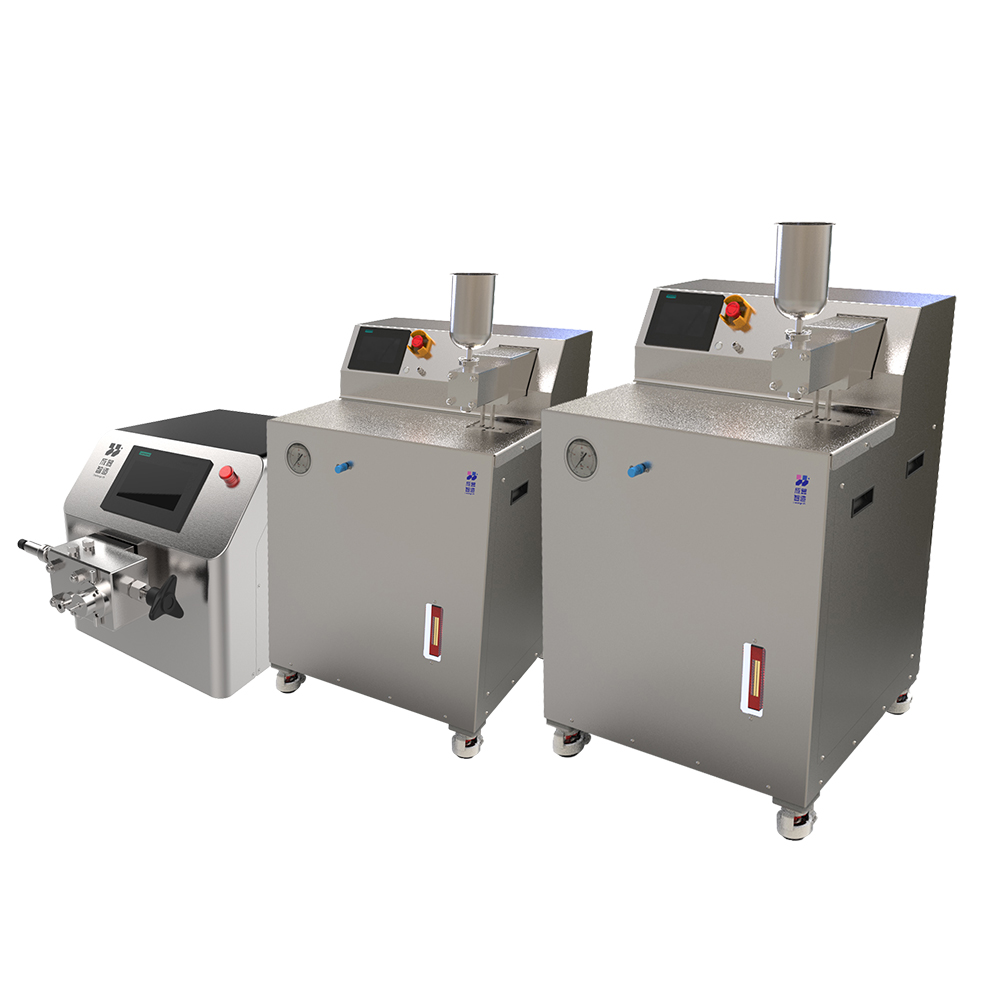 High Pressure Homogenizers
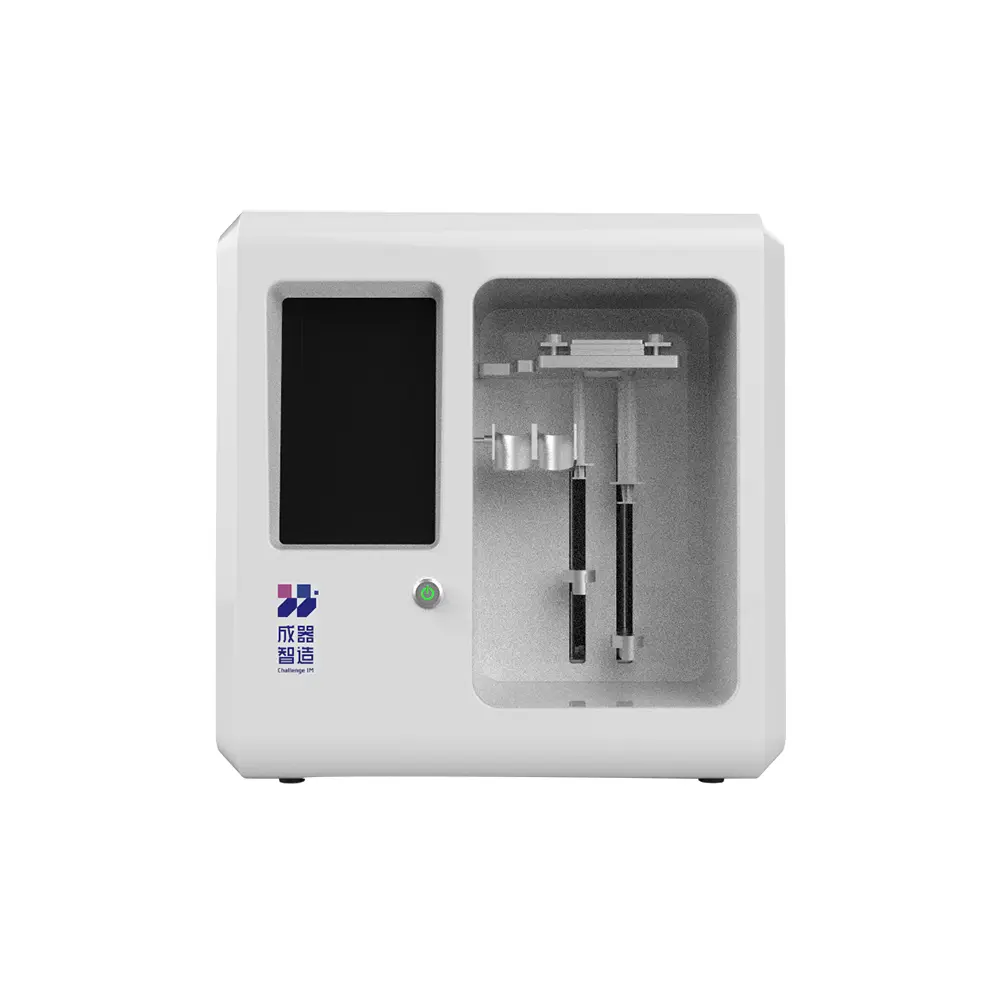 Microfluidics