zh-cn
  • sns01-1
  • sns04-1
  • sns02-1
Leave Your Message

What Are the Top Ultra Filtration Systems in 2026?

Choosing among the top Ultra Filtration systems in 2026 requires more than comparing price tags or flow-rate claims. The right choice depends on the incoming water, household size, installation space, and maintenance needs. Ultra Filtration (UF) uses a fine membrane to reduce suspended particles and many microorganisms. Its performance varies by design, water conditions, and independent testing. A UF unit does not typically remove dissolved salts, and virus reduction should never be assumed without product-specific validation. That distinction matters.

This guide compares leading system types, from compact under-sink units to higher-capacity options, using practical criteria. We look at verified contaminant-reduction claims, rated capacity, replacement-filter cost, installation demands, and the clarity of maintenance instructions. Readers should check current data sheets and relevant third-party certifications rather than rely on broad marketing language. Test conditions differ. So comparisons are not always perfectly equal. A system that performs well in a laboratory may need suitable prefiltration or regular servicing in a particular home. Small details count: a crowded cabinet, low inlet pressure, or an overdue cartridge can change the experience. There is no universal winner. The most dependable choice is the one whose tested capabilities fit the water supply and whose upkeep is realistic. Some product information remains difficult to compare, and that uncertainty deserves attention—not a confident guess.
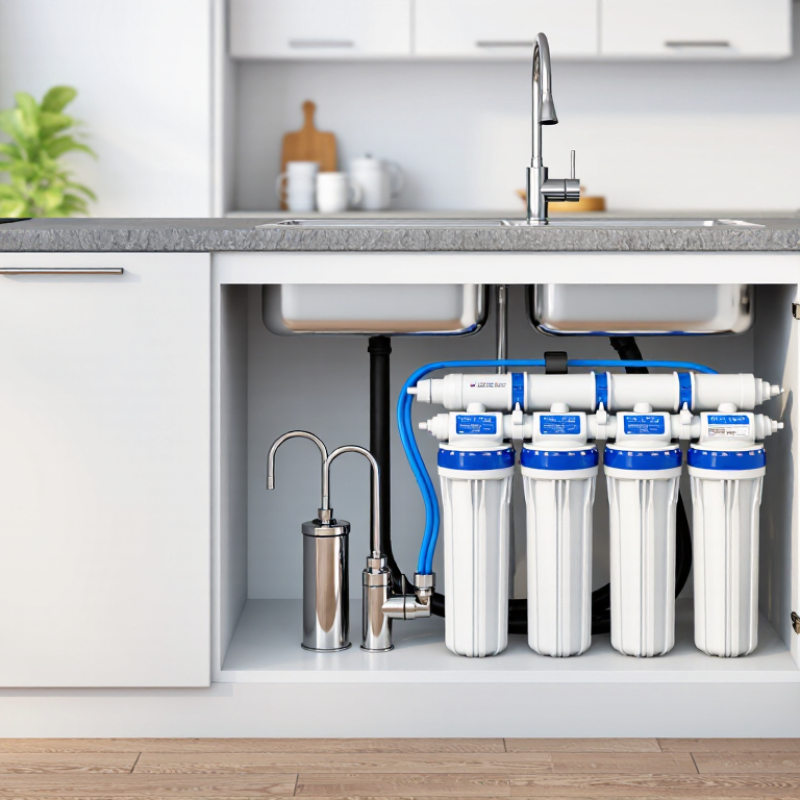
What Are the Top Ultra Filtration Systems in 2026?

What Ultrafiltration Systems Are and How They Work

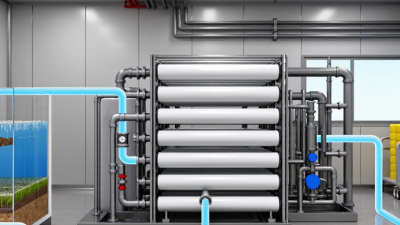
Ultrafiltration (UF) systems use pressure to push water through a fine membrane. Many membranes have pores around 0.01 to 0.1 micrometers wide, though exact specifications vary. Picture water passing through a bundle of tiny hollow fibers. Suspended particles, many bacteria, and protozoa are retained, while water and many dissolved substances pass through. Not everything.

UF does not reliably remove dissolved salts, hardness, or every small chemical. Virus removal also depends on membrane performance and system integrity. That distinction matters: clear-looking water is not proof of safety. In practical installations, screens or other pretreatment help limit clogging. The membrane may be cleaned by backwashing, which reverses water flow and carries away accumulated material. Operators still need to track pressure, flow, and cleaning frequency.

When comparing systems in 2026, match membrane performance to the water source and intended use. Look for clear operating limits, accessible maintenance, and monitoring that can reveal a damaged fiber or falling flow rate. A system that works well in a test setup may behave differently with seasonal changes in source water. That is easy to overlook. UF can be a strong barrier, but it is not a complete treatment plan on its own; disinfection or additional treatment may be needed for specific risks.
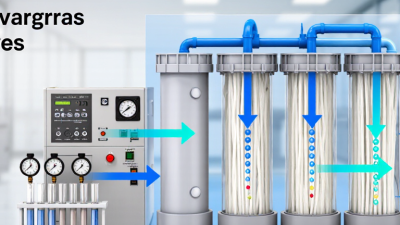
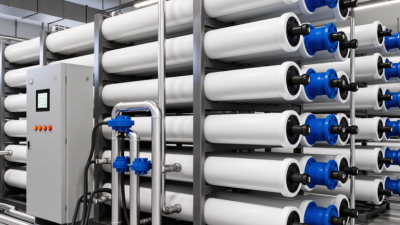
Key Criteria for Comparing Ultrafiltration Systems in 2026

What Are the Top Ultra Filtration Systems in 2026?

Key Criteria for Comparing Ultrafiltration Systems in 2026

Compare systems by pore size, verified removal performance, capacity, energy use, and maintenance needs. The U.S. EPA’s Membrane Filtration Guidance Manual classifies ultrafiltration membranes as having nominal pore sizes of 0.01–0.1 micrometers. That figure is a starting point, not proof of performance. Ask for challenge-test results, integrity-monitoring methods, and operating data under conditions similar to your source water. WHO’s Guidelines for Drinking-water Quality also emphasizes ongoing operational monitoring and risk management, not equipment selection alone.

Check sustainable throughput, not just the advertised flow rate. A system treating water with seasonal sediment or organic matter may need frequent backwashing or chemical cleaning. Compare recovery rate, pressure requirements, cleaning intervals, replacement costs, and access to service. Request performance records from comparable installations, including downtime and water quality before and after treatment. No scorecard removes uncertainty. Site conditions matter.

Leading Ultrafiltration Systems and Their Main Features

In 2026, leading ultrafiltration systems are best compared by membrane design, operating conditions, and maintenance needs—not by one headline rating. Hollow-fiber units are common in homes and larger treatment plants. Their narrow fibers provide substantial filtering surface in a compact frame. Many use backwashing to dislodge trapped particles, while pressure sensors can flag rising resistance. A useful detail: check whether the system includes an integrity test, not just a filter-change light.

Pressurized systems keep water moving through sealed membrane modules and suit installations with steady feed pressure. Submerged systems place membranes in a tank and often use gentle air scouring to limit buildup.

Both can reduce turbidity and many microorganisms, but ultrafiltration does not reliably remove dissolved salts or every small contaminant. That distinction matters. Review the tested pore size, certified performance claims, and water-quality report before choosing.

Look for accessible valves, clear alarm codes, and replacement parts that can be sourced locally. Ask how often backwashing occurs and how much water it uses; frequent cycles can affect household supply or plant efficiency. Site conditions change the answer. Sediment, iron, and changing water demand may call for pretreatment or a larger module. Specifications can look tidy on paper, yet real installations are less tidy. A qualified installer should verify pressure, flow, and membrane integrity after setup.

Best-Fit Systems for Homes, Businesses, and Industry

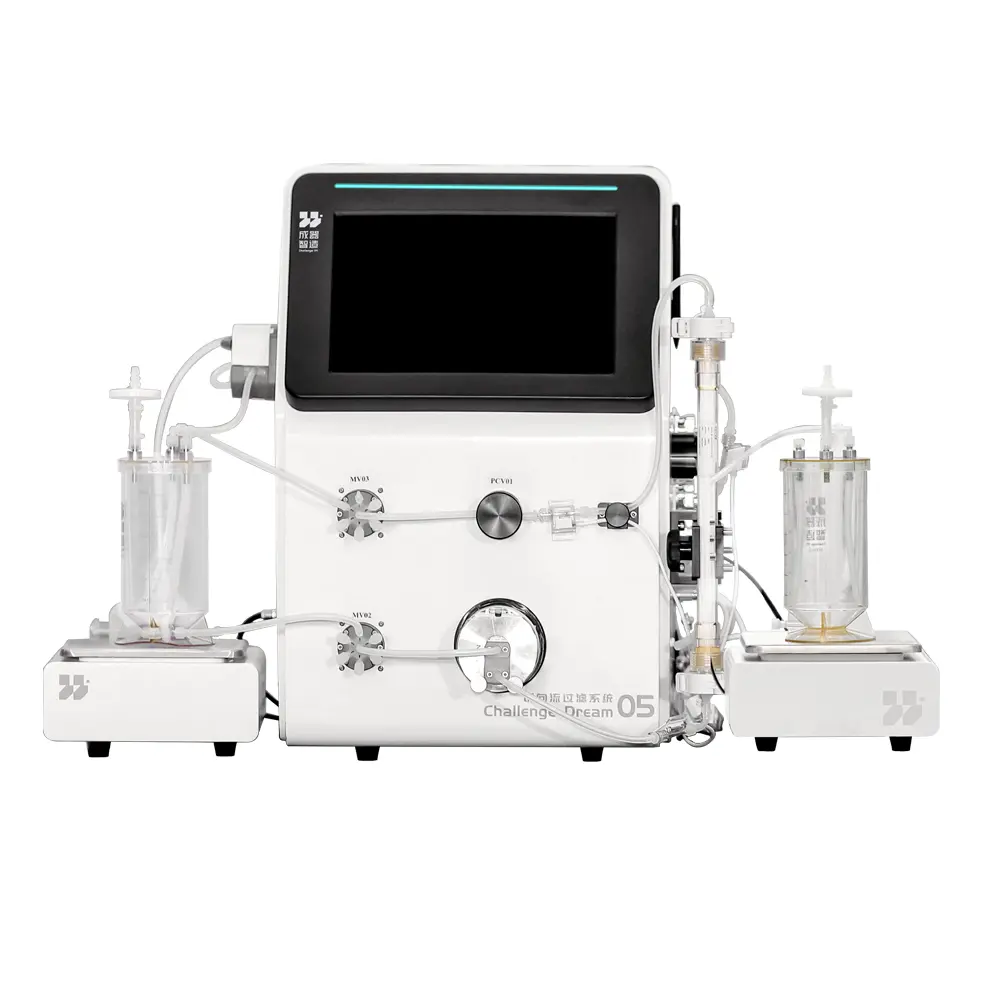
For 2026, the best ultrafiltration system depends on the water source, daily demand, and available maintenance. A household with cloudy well water may need a point-of-entry unit with sediment pretreatment and automatic flushing. For a smaller home, an under-sink setup can serve a drinking-water tap without treating every fixture. Check membrane specifications and independent performance certifications, not just advertised pore size.

Fit matters more. Offices, cafés, and clinics often need higher flow and storage capacity than a home system provides. A commercial unit should handle peak use, allow straightforward filter changes, and include pressure gauges that make fouling easier to spot. Restaurants also need a maintenance schedule that works between busy service periods. Ultrafiltration can reduce particles and many microorganisms, but it does not remove dissolved salts or every chemical contaminant. That distinction matters.

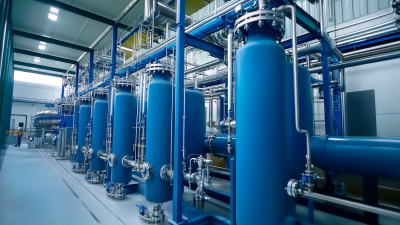
Industrial facilities typically need modular skids, pretreatment matched to feed water, and monitoring for pressure, flow, and membrane integrity. A site water analysis is a better starting point than choosing equipment by capacity alone. Cleaning intervals can vary; real operating conditions sometimes expose gaps in a supplier’s estimate. Not always. Confirm local service access, replacement-part availability, and what the system’s test data actually covers. A technically strong unit can still be a poor fit if operators cannot maintain it reliably.

Installation, Maintenance, and Long-Term Performance Factors

For an ultra-filtration system, installation conditions can shape performance as much as the membrane itself. Measure the available space, check pipe size, and confirm that the inlet pressure falls within the unit’s specified range. A pressure gauge near the inlet makes later troubleshooting easier. Leave room to open the housing and remove cartridges without twisting nearby pipes. Small detail, big difference. Flush new plumbing before connecting the system, since grit from installation can block a membrane early.

Maintenance should follow the manufacturer’s instructions and the actual condition of the water, not guesswork. Check for leaks after servicing, note pressure readings, and record changes in flow. A gradual decline may indicate fouling, while a sudden drop can point to a clogged prefilter or valve issue. Clean or replace components only as directed; aggressive cleaning can damage membranes. I would not treat a fixed replacement calendar as absolute truth, because feed-water quality and household use vary. Even careful records have gaps. A simple log of dates, pressure, and observed flow still helps reveal patterns and supports more reliable long-term decisions.