zh-cn
  • sns01-1
  • sns04-1
  • sns02-1
Leave Your Message

Why Choose a Filtration Bag for Industrial Filtration?

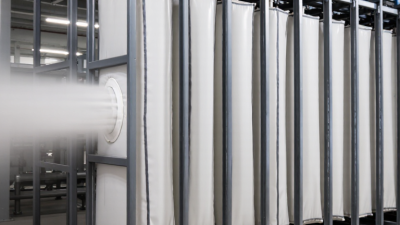
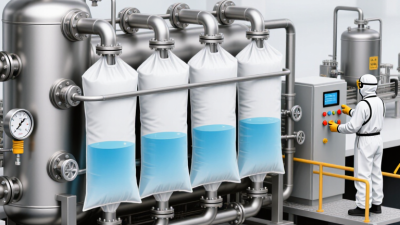
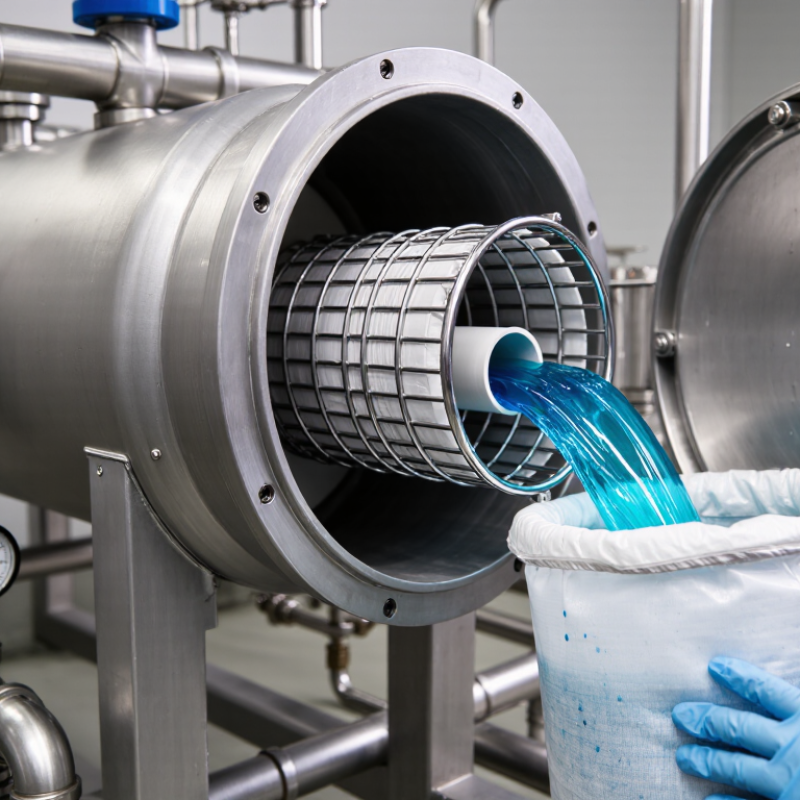
Industrial filtration must control particles without disrupting production. A Filtration Bag offers a practical way to capture suspended solids in liquid process streams. It sits inside a compatible housing, where liquid passes through the bag and collected material remains inside. During a shift, that may mean catching pigment in a coating line or reducing debris before a rinse-water stage. Simple to inspect. Easier to replace than many permanent filter elements.

The choice depends on more than a stated micron rating. Process temperature, fluid chemistry, flow rate, particle shape, and solids loading all affect performance. So does the seal between the bag and its basket. A mismatch can allow bypass, raise pressure drop, or shorten service life. Operators can track differential pressure and inspect used bags to understand when replacement is appropriate. These checks provide useful evidence, though they do not replace testing under actual process conditions.

For buyers, the strongest reason to choose a Filtration Bag is often its balance of filtration performance, maintenance effort, and operating cost. Bag styles and media vary, so confirm material compatibility and housing dimensions with the manufacturer. Ask how the rating is defined; nominal and absolute ratings are not interchangeable. A bag can look right on paper and still perform poorly. That is worth remembering. Pilot trials, clear operating records, and routine inspection help turn a specification into a dependable choice. The right bag is not always the finest one; it is the one that meets the process need without creating avoidable downtime or waste.
Why Choose a Filtration Bag for Industrial Filtration?

What Is a Filtration Bag in Industrial Filtration?

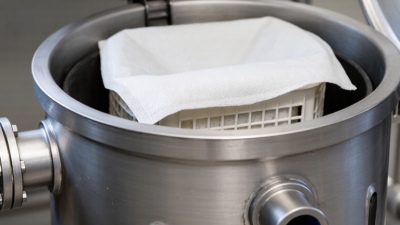
In industrial filtration, a filtration bag is a porous, replaceable element fitted inside a pressure-rated housing. Liquid or gas flows through its fabric or felt, while suspended particles remain on the media or form a surface cake. Common materials include polypropylene, polyester, and nylon, selected for operating temperature and chemical exposure. A micron rating describes particle retention, but nominal and absolute ratings are not interchangeable. Small details matter. A damaged seam, poor seal, or incorrectly sized bag can let particles bypass the media. For liquid systems, operators often monitor differential pressure; a steady rise can indicate that the bag is loading. Yet pressure alone cannot identify every failure.

For air-pollution control, the U.S. Environmental Protection Agency’s 2003 Fabric Filter fact sheet reports typical collection efficiencies of 99–99.9% for new fabric-filter equipment. That figure applies to industrial gas-particle control, not every liquid filtration bag; application and test conditions matter. The distinction is easy to miss. A useful specification states the fluid, target particle range, flow rate, temperature, and allowable pressure drop. It should also clarify whether the micron rating is nominal or absolute, and how it was tested. Those details help teams compare filtration bags on performance, not price alone. A specification can still miss real operating changes, so field checks matter too.
How Does a Filtration Bag Capture Contaminants?

Why Choose a Filtration Bag for Industrial Filtration?

How Does a Filtration Bag Capture Contaminants?

A filtration bag captures contaminants as liquid passes through its porous fabric. Particles larger than the openings remain on the surface, while smaller particles may lodge between fibers. This is called depth capture. It helps explain why bags with similar ratings can perform differently. Fabric type, pore structure, and liquid viscosity all affect retention.

During operation, captured solids form a layer on the bag’s inner surface. That layer can trap finer particles, but it also raises pressure drop. Watch the gauge. A rapid increase may signal loading, poor sizing, or a flow problem—not just a dirty bag. Proper sealing matters too; liquid slipping around the collar bypasses the filter media.

Choose a bag rating that fits the required cleanliness and actual process flow. A tighter rating is not automatically better; it may clog sooner and interrupt production. Check material compatibility with the liquid and operating temperature. Inspect used bags for uneven loading or damaged seams. Small details matter. Results can vary between batches, so monitor pressure and downstream samples instead of relying on the nominal micron rating alone.

Which Industrial Processes Use Filtration Bags?

Filtration bags are used wherever a process needs to capture suspended solids from liquids. In metalworking, they can collect fine chips and abrasive particles from circulating coolant. Paint and coating lines use them to trap agglomerates that could mark a finished surface. The difference can be visible: fewer specks on a test panel.

Food and beverage plants may use suitable bags to remove particles from syrups, oils, or process water. Material choice matters. A bag must suit the liquid, operating temperature, and cleaning or replacement routine. Chemical production presents another use, but compatibility needs careful checking; an unsuitable fabric can weaken or shed fibers. Small details matter.

Wastewater treatment and general process-water systems also use bag filtration to reduce suspended solids before later treatment stages. It is not a cure-all. Very fine particles may pass through, and a rapidly rising pressure drop can signal a loaded bag or changing process conditions. Operators should check the liquid, expected particle size, flow rate, and housing setup before choosing a filtration grade. One point is easy to miss: results depend on the whole system, not just the bag.

Why Choose a Filtration Bag for Industrial Filtration? - Which Industrial Processes Use Filtration Bags?

Industrial process Typical liquid or material Common filtration objective Typical bag media options Why a filtration bag can be suitable
Paint and coatings Liquid paints, resins, and coating formulations Capture agglomerates, debris, and other unwanted particles before application or transfer Polypropylene or polyester felt; nylon monofilament mesh for suitable applications A bag housing can provide a straightforward way to protect downstream equipment and help maintain product cleanliness.
Chemical processing Process chemicals, intermediates, and aqueous solutions Remove suspended solids and protect pumps, valves, and subsequent process steps Polypropylene, polyester, nylon, or other chemically compatible media Bag filtration is available in a range of materials and retention ratings; media compatibility must be checked against the fluid, temperature, and operating conditions.
Food and beverage production Ingredients, syrups, oils, and process liquids Reduce particulate contamination in liquid streams, where appropriate to the process Food-contact-suitable polypropylene, polyester, or nylon, subject to application requirements The bag can be changed out as a contained element. The selected product should meet applicable food-contact and hygiene requirements.
Water treatment and industrial water reuse Cooling water, process water, and treated wastewater Capture suspended particles as a prefilter or as part of a broader treatment train Polypropylene or polyester felt; mesh media for applications requiring surface filtration Bag filters can be used for liquid-side solids removal, but they do not by themselves remove dissolved substances or disinfect water.
Metalworking and machining Coolants, wash fluids, and metalworking liquids Capture suspended metal fines and other particulate matter Polypropylene or polyester felt; mesh options where suitable for the particle load A bag filter can serve as a practical solids-removal stage. The process may need additional treatment for tramp oil or dissolved contaminants.
Oil and fuel handling Industrial oils, lubricants, and fuel streams Remove particulate contamination to help protect equipment and downstream components Polypropylene, polyester, nylon, or other media verified for fluid compatibility The format can accommodate different bag sizes and retention levels; viscosity, temperature, flow rate, and contaminant loading affect performance.
Pharmaceutical and biotechnology processing Process liquids and non-sterile prefiltration streams Remove particulate matter in applications where a bag filter is validated as an appropriate process step Application-qualified polymer media selected for chemical, cleanliness, and regulatory needs Bag filtration may be used for suitable prefiltration duties; it should not be assumed to provide sterilizing-grade filtration.
Pulp, paper, and textile operations Process water, dye solutions, and auxiliary liquids Capture fibers, lint, and suspended solids from selected liquid streams Polypropylene or polyester felt; mesh media for compatible streams A replaceable bag can support routine solids control, with the choice of media guided by particle size and dirt-holding requirements.
Why choose a filtration bag? Bag filters offer a relatively simple replaceable element, broad material choices, and options for different particle-retention needs. They are commonly used to remove suspended solids from liquids. Actual performance depends on the filter housing, bag construction, fluid properties, operating conditions, and contaminant characteristics. Confirm chemical compatibility, temperature limits, required retention, flow rate, and relevant regulatory requirements before selection.

What Benefits Do Filtration Bags Provide?

Why Choose a Filtration Bag for Industrial Filtration?

What Benefits Do Filtration Bags Provide?

Filtration bags can capture suspended particles while allowing process fluid to pass through. Their enclosed design helps keep collected solids contained during changeout. That matters when operators need a cleaner work area and less direct contact with residue. A bag can also offer substantial dirt-holding capacity, depending on its size, fabric, and the material being filtered.

The format is practical. Many housings allow a used bag to be removed and replaced without cleaning a large filter element. For example, a maintenance team can check the pressure gauge, isolate the housing, and inspect the bag when pressure drop rises. A rising reading may indicate loading, though it can also point to a process change or an unsuitable bag rating. Small details matter.

Bag filtration is not a cure-all. The right choice depends on particle size, fluid chemistry, temperature, flow rate, and the required filtration level. A bag that works well with a cool, low-viscosity liquid may perform poorly with a hot or sticky one. Operators should check material compatibility and monitor pressure during real process conditions. It is easy to focus on the initial price; replacement frequency and disposal effort deserve attention too. A simple trial can reveal what specifications alone miss.

How Do You Select and Maintain a Filtration Bag?

Choosing a filtration bag starts with the liquid, not the catalog. Identify the particles you need to capture, their size, and whether they are sticky or abrasive. Then check chemical compatibility, operating temperature, flow rate, and the filter housing dimensions. A finer rating may capture smaller particles, but it can also increase pressure drop and shorten service life. The best choice depends on the whole process.

Small details matter. A lot. Confirm that the bag collar fits the housing and seals evenly; a poor fit can let fluid bypass the media. Ask for test data where available, and trial a sample under normal operating conditions. A rating on paper is not the whole story. I would reconsider any selection that performs well only at low flow or with unusually clean feed liquid.

During operation, record inlet and outlet pressure, flow, and change intervals. Rising differential pressure can signal loading, though sudden changes may also point to a process shift or installation issue. Inspect the bag for tears, uneven deposits, or signs of chemical damage when replacing it. Follow the equipment maker’s shutdown and handling procedures, and avoid cleaning reusable bags unless the media is designed for it. Keep clear service records. They are not glamorous, but they help reveal patterns—and sometimes the pattern is less tidy than expected.

Why Choose a Filtration Bag for Industrial Filtration?

How do you select and maintain a filtration bag? Start by matching the bag’s micron rating to the particles you need to remove.

Selection and maintenance: The ratings shown are illustrative common options, not a universal performance scale. Check whether a rating is nominal or absolute, and confirm compatibility with your liquid, temperature, flow rate, and target particles. Monitor differential pressure and replace the bag according to the filtration system or bag supplier’s recommended limits.