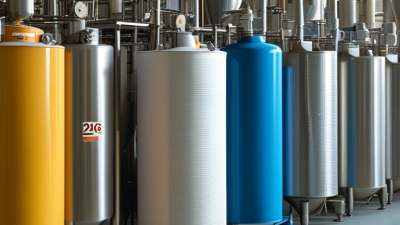
How to Choose the Right Filter Bag for Your Application?
A Filter Bag is not a generic spare part; it is a working surface matched to a specific dust, gas stream, and cleaning cycle. The wrong media can blind quickly, leak fine particles, or wear through at the seams. The U.S. Environmental Protection Agency’s Fabric Filter fact sheet, EPA-452/F-03-025, reports typical collection efficiencies of 99% to 99.9% for fabric filters. That is a useful benchmark, not a guarantee. Real performance depends on baghouse design, operating conditions, and maintenance. Small details matter.
Selection should begin with the dust itself. Record particle size, moisture, abrasiveness, and chemical properties, then check gas temperature and pressure. A hot stream may call for heat-resistant media; sticky dust can make cleaning difficult. Consider the cleaning method, too. Pulse-jet, reverse-air, and shaker systems place different demands on bag construction and fabric. Seam quality and finish matter. So does fit: a bag that rubs against its cage may fail earlier than expected.
EPA’s efficiency range should not be treated as a product comparison or a promise for every installation. Ask suppliers for documented temperature limits, chemical compatibility, permeability, and test conditions. Compare those details with actual process data, not just a catalogue description. No chart can settle every case; plant dust is often less uniform than a specification suggests. That uncertainty deserves attention. A well-chosen Filter Bag supports stable airflow and reliable particle capture, but only when sizing, installation, and inspection are handled with equal care.
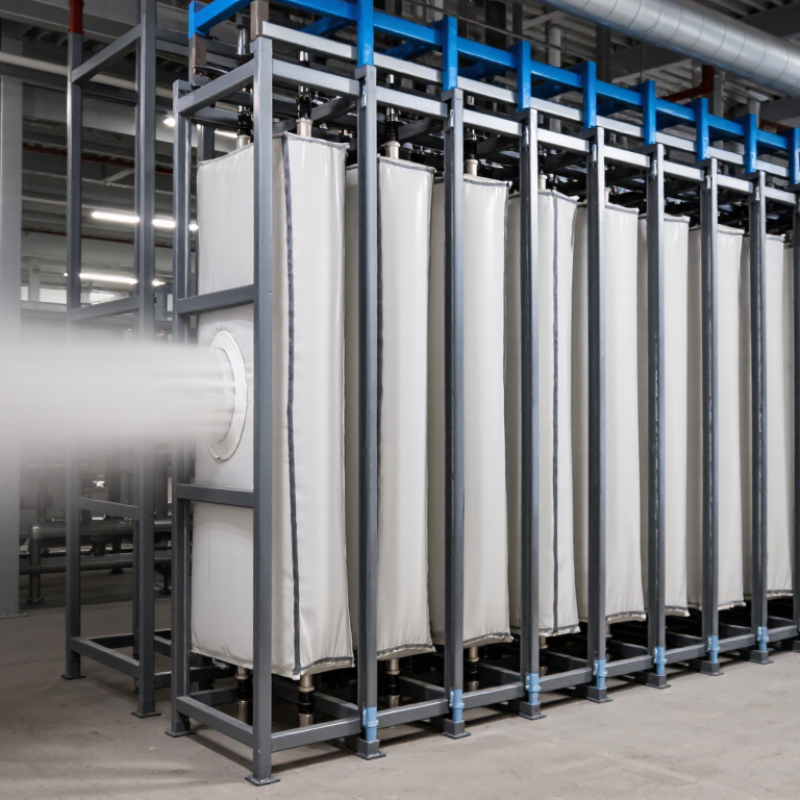
Define Contaminants and Select a 1–200 μm Bag Rating
Define the contaminant before choosing a bag rating. A clear liquid may contain fine mineral silt, while a cloudy process stream may carry soft fibers or sticky agglomerates. Collect a representative sample and identify particle size, shape, concentration, and whether particles deform under pressure. A 1 μm rating can capture much finer particles than a 200 μm rating, but the number alone does not describe efficiency. Check whether the rating is nominal or absolute, and ask for test conditions and particle-count data.
ISO 4406:2021 classifies hydraulic-fluid cleanliness using particle counts at 4, 6, and 14 μm(c). Those thresholds can help set measurable targets, though they are not universal bag-selection limits. ISO 16889 evaluates filter performance through a multipass test and beta ratios: a beta ratio of 200 corresponds to 99.5% capture at the stated particle size under test conditions. Do not assume a bag’s micron label means the same thing. A 10 μm bag is not automatically better. It may clog sooner, raise pressure drop, or remove useful solids. Compare contaminant data with the process’s acceptable downstream particle level, flow rate, and changeout pressure. In practice, the sample can mislead if it misses intermittent debris; retesting is worthwhile.
Compare Typical Media Limits: PP 90°C, PET 135°C, PPS 190°C, PTFE 240°C
Temperature is a useful first screen, not a complete selection rule. Typical continuous-service limits are PP 90°C, PET 135°C, PPS 190°C, and PTFE 240°C. These are comparative media limits, not guaranteed ratings for every bag. Construction, finish, moisture, pressure, and exposure time can all change performance. Check the stated test conditions.
Picture a filter housing running at 85°C with short cleaning cycles. PP is close to its typical limit, leaving little room for temperature spikes. PET offers more headroom. For hotter service, PPS or PTFE may suit better, but chemical compatibility and filtration requirements still matter. Near the limit, even a brief excursion deserves attention.
ASTM D3045-18, Standard Practice for Heat Aging of Plastics Without Load, describes controlled thermal-aging evaluation; it does not certify finished filter bags. That distinction matters. A polymer’s heat-aging result cannot predict every bag’s life in a wet, vibrating housing. I would verify the actual process temperature at the bag surface, not rely only on the vessel display. Small oversights happen. Keep operating records, including spikes and cleaning temperatures, and ask for media-specific test data before committing.
Size Bags for Flow Rate, Viscosity, and Required Filtration Area
Size a filter bag for peak flow, not average flow. Start with the liquid’s viscosity at operating temperature; a cold start can sharply increase resistance. Under Darcy’s law, pressure drop rises roughly with viscosity when flow and media permeability stay constant. Use the filter’s pressure-drop curve at your actual viscosity, then check the allowable differential pressure. Don’t assume a bag’s nominal area is fully usable. Flow can concentrate near the inlet. Small details matter.
Estimate required area from flow divided by a tested flow-per-area rate for the target liquid and particle load. There is no universal flux value: solids concentration, particle shape, and changeout frequency all affect it. Allow extra area if the process has flow surges or rising viscosity. ISO 16889:2022 defines a beta ratio of 200 as 99.5% particle removal in its multipass test, but this is a hydraulic-filter test, not a bag-sizing guarantee. Treat it as a performance reference, and verify bag retention separately. One assumption deserves review: a clean-fluid trial may understate pressure rise once the bag collects solids.
How to Choose the Right Filter Bag for Your Application? — Size Bags for Flow Rate, Viscosity, and Required Filtration Area
| Liquid Viscosity |
Typical Examples |
Preliminary Filtration Area for 10 GPM |
Approximate Number of Size #2 Bags |
Sizing Guidance |
| 1–5 cP |
Water, dilute aqueous solutions |
2–5 ft² |
1–2 |
Use one bag for a clean, low-solids stream; add area when dirt loading or continuous operation is expected. |
| 5–50 cP |
Light oils, syrups, some process liquids |
5–20 ft² |
2–5 |
Increase area to limit pressure rise and maintain flow as the bag collects solids. |
| 50–200 cP |
Heavy oils, concentrated liquids, viscous coatings |
20–100 ft² |
5–21 |
Use multiple housings or a larger filtration system; confirm performance with a process test. |
| Above 200 cP |
Very viscous products and temperature-sensitive materials |
Application-specific |
Application-specific |
Evaluate operating temperature, pump capability, media permeability, and allowable differential pressure before selecting a bag system. |
| Common Bag Size |
Approximate Diameter × Length |
Approximate Geometric Surface Area |
Typical Use |
Selection Note |
| Size #3 |
4 × 8 in |
0.7 ft² |
Small-volume systems and compact housings |
Check housing compatibility; capacity is limited compared with larger bags. |
| Size #4 |
4 × 14 in |
1.2 ft² |
Small process lines and pilot applications |
Useful where a smaller housing is required. |
| Size #5 |
6 × 22 in |
2.4 ft² |
Intermediate flow and solids-loading requirements |
Confirm the bag and ring dimensions match the housing. |
| Size #1 |
7 × 17 in |
2.6 ft² |
General-purpose filtration in compact systems |
Compare required area with the expected flow and liquid viscosity. |
| Size #2 |
7 × 32 in |
4.9 ft² |
Higher capacity and common industrial applications |
Often selected when greater dirt-holding capacity or filtration area is needed. |
| Planning note: Area figures are approximate geometric side areas calculated from nominal bag dimensions; usable area can be lower. Flow and area estimates are preliminary guides, not guaranteed ratings. Actual performance depends on micron rating, bag media and construction, particle loading, fluid temperature, housing design, pump capacity, and allowable differential pressure. Verify the selection under actual operating conditions. |
Check Chemical Compatibility, Seam Design, and Food-Contact Requirements
Choose a filter bag against the fluid’s real operating conditions, not its name alone. Record concentration, temperature, exposure time, and cleaning chemicals. A polymer may tolerate a liquid at room temperature but swell during a hot cleaning cycle. ASTM D543-21 describes methods for evaluating plastics after chemical exposure; use it as a testing reference, not a substitute for checking the finished bag. Small details matter. Ask for compatibility evidence covering the specific material and conditions.
Inspect how the seam is made and where pressure concentrates. A sewn seam may leave needle holes; a welded seam can reduce bypass risk, but only if the material and weld are compatible. Check the seam specification, operating pressure, and any support ring or collar that touches the process fluid. Food contact adds complexity. For plastic materials within its scope, European Commission Regulation (EU) No 10/2011 sets an overall migration limit of 10 mg/dm² under defined test conditions. Confirm that the full bag assembly, including thread, finish, and attachments, is suitable for the intended food and temperature. A certificate alone may not answer every process-specific question. Ask what was tested, and under which conditions.
Set Changeout by Rated Differential Pressure; Many Systems Use 0.7–1.0 bar
A differential-pressure trigger protects the filter bag and stabilizes flow. Many liquid-filter systems use 0.7–1.0 bar as a changeout range, but this is a starting point, not a universal limit. Check the bag’s rated differential pressure and the housing’s operating limits before setting an alarm. A clean bag’s baseline reading matters: record it at a steady flow rate, then compare readings under similar conditions.
The pressure rise reflects captured solids, but it can also signal a blocked outlet, a closed valve, or a sudden viscosity change. Check the process before replacing the bag. ISO 16889:2022 describes multipass testing for hydraulic filter elements, including pressure-drop measurement; it does not set a universal bag changeout threshold. Use site trend data instead.
For example, if readings typically climb from 0.2 to 0.8 bar over a shift, schedule replacement before flow becomes unstable. Keep a record of flow, fluid temperature, and differential pressure. Small details matter. And the limit may need revision when the process changes.


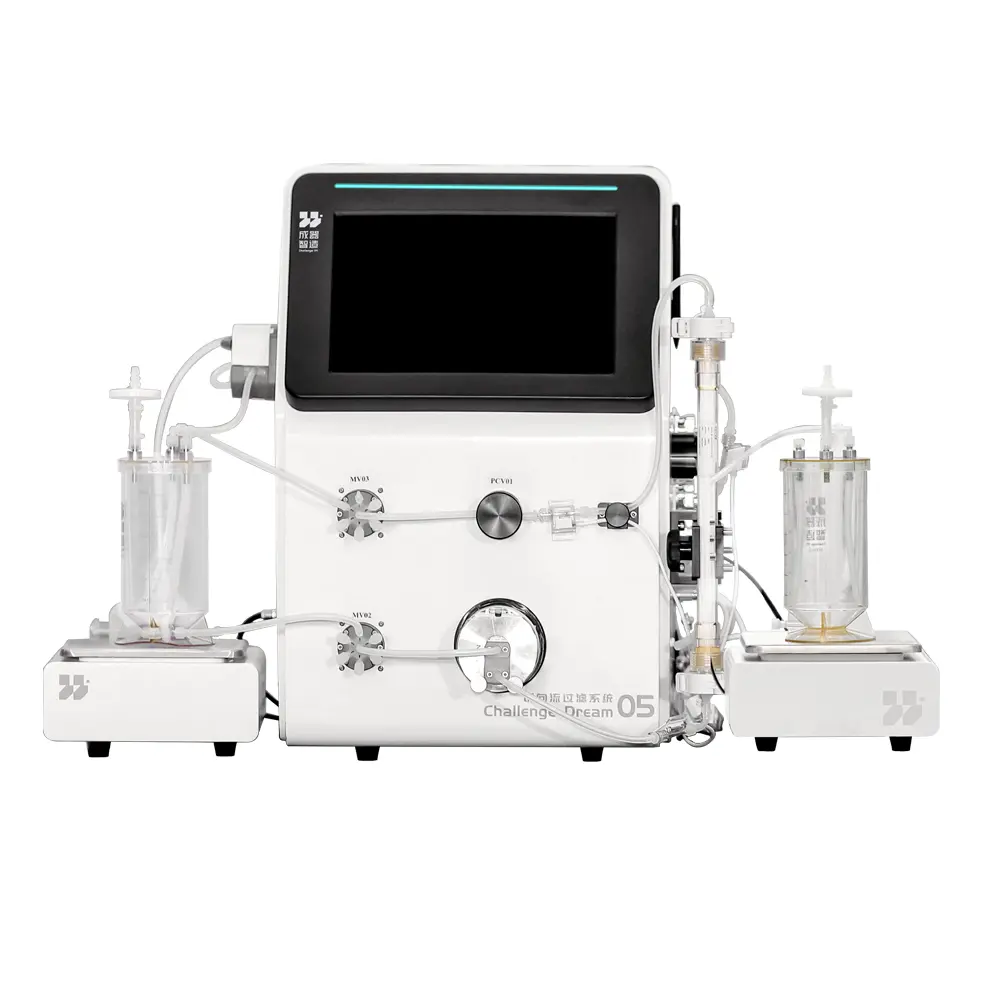 Tangential Flow Filtration(TFF) System
 Jump Pump
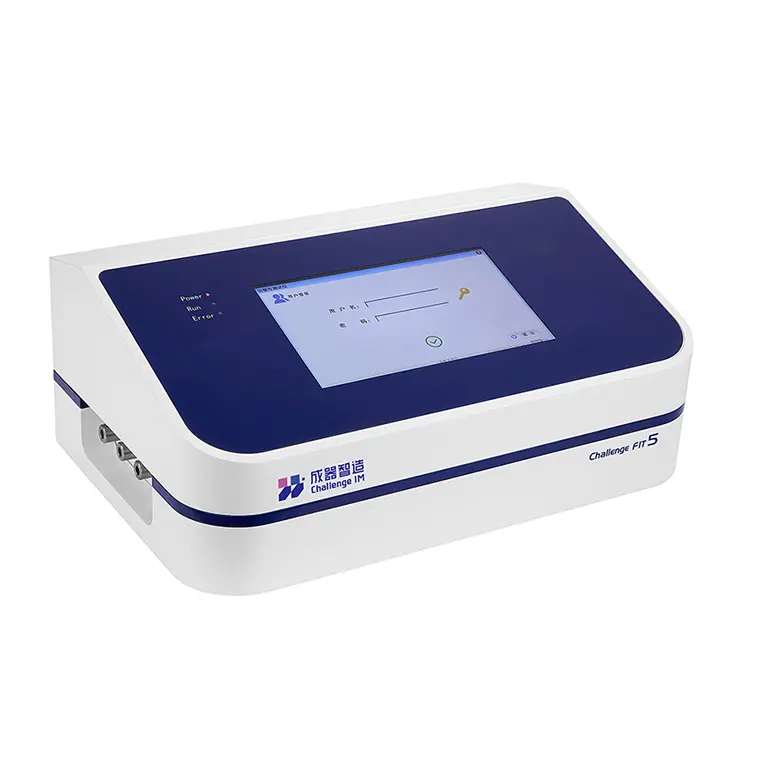 FIT Integrity Tester
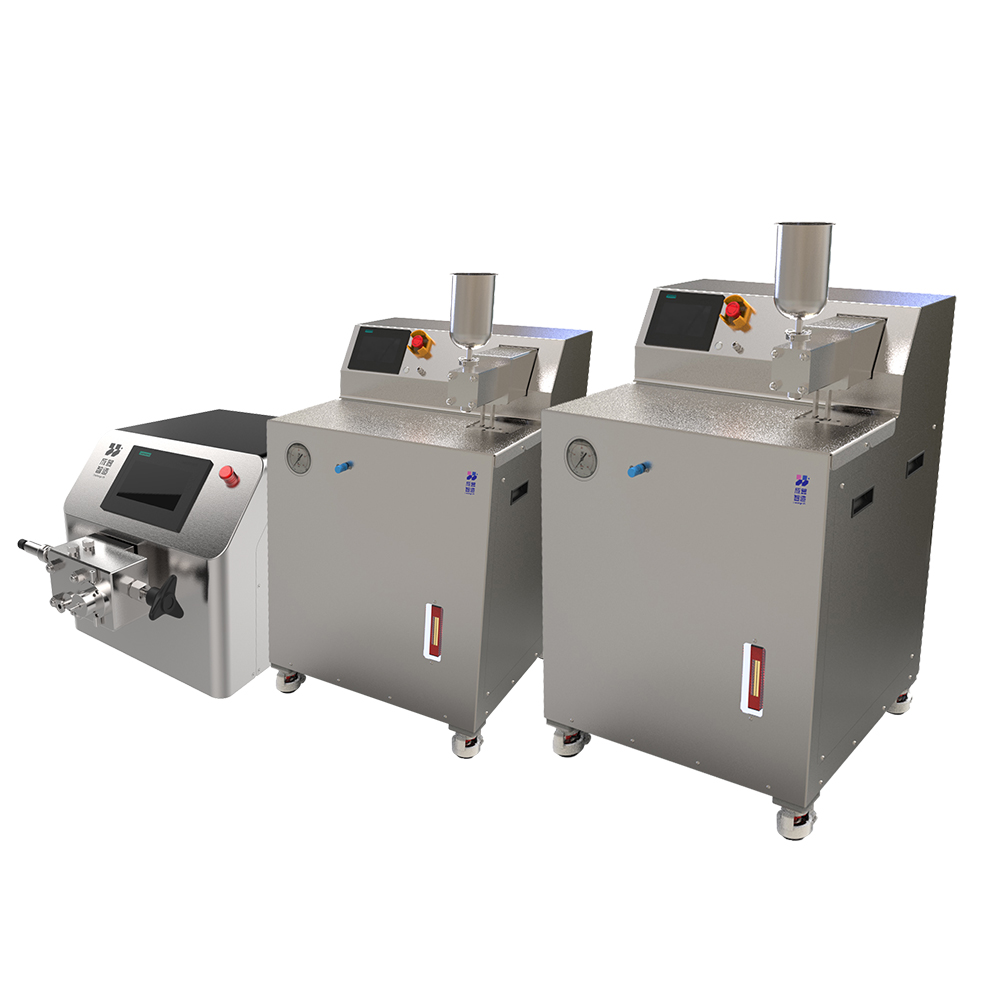 High Pressure Homogenizers
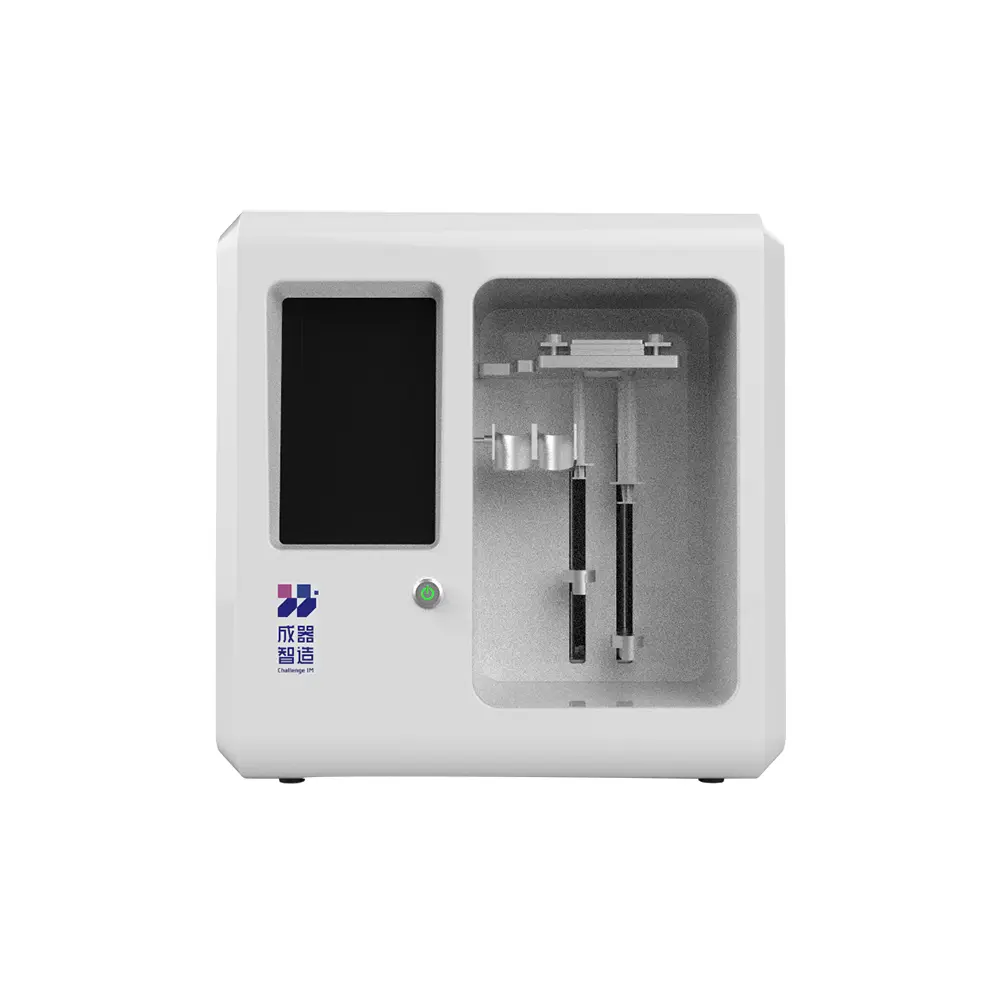 Microfluidics