Home
Products
System
Tangential Flow Filtration(TFF) System
Jump Pump
FIT Integrity Tester
High Pressure Homogenizers
Microfluidics
Others
TFF System Component
Accessories
Services
Company
About Us
Awards and Recognization
Location
News & Events
Blog
Resources
Video & Demos
Brochures
Leave Your Message
Send
Request a Quote
Phone
Blog
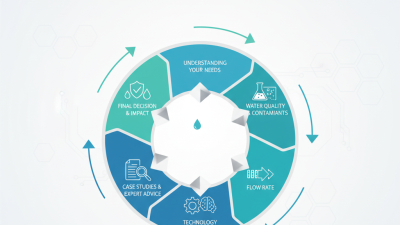
How to Choose the Right Nanofiltration System for Your Needs?
Choosing the right Nanofiltration System can be a daunting task. The industry is filled with various options and technologies. Dr. Emily Carter, a
Read more
»
By:
Liam
-
Mar 29,2026
How to Optimize Ultrafiltration Solutions at the 2026 Guangzhou Fair?
As we approach the 2026 Guangzhou Fair, the focus on optimizing Ultrafiltration solutions takes center stage. Dr. Emily Chen, a leading expert in the
Read more
»
By:
Lila
-
Mar 27,2026
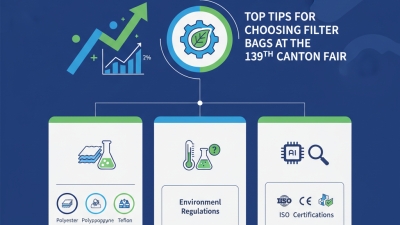
Top Tips for Choosing Filter Bags at the 139th Canton Fair?
Choosing the right Filter Bag is crucial for efficient industrial processes. The 139th Canton Fair will present a unique opportunity to explore a
Read more
»
By:
Ethan
-
Mar 24,2026
Best Diaphragm Pumps at 139th Canton Fair for Global Buyers?
The 139th Canton Fair presents an unparalleled opportunity for global buyers to discover the best Diaphragm Pumps. With the importance of this
Read more
»
By:
Lila
-
Mar 22,2026
What is Downstream Processing in 2026 Top Trends?
In the evolving landscape of biopharmaceuticals, the significance of Downstream Processing cannot be overstated. By 2026, industry trends indicate a
Read more
»
By:
Lila
-
Mar 19,2026
How to Choose the Right Bag Filters for Your Needs?
Choosing the right bag filters can be a challenging task. Bag filters play a crucial role in various industries, from water treatment to HVAC
Read more
»
By:
Ethan
-
Mar 18,2026
Essential Pre-Filtration Tips for Clean Water Systems?
Clean water is essential for health and well-being. Effective pre-filtration significantly contributes to this goal. In fact, according to a report
Read more
»
By:
Ethan
-
Mar 16,2026
Why You Should Choose the Right Filtration Bag for Your Needs?
Choosing the right Filtration Bag is crucial for various industries, including food processing and pharmaceuticals. According to a report by
Read more
»
By:
Liam
-
Mar 13,2026
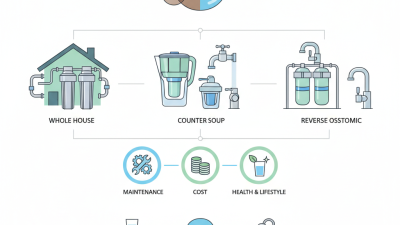
10 Best Filtration Systems for Clean Water at Home?
Access to clean water is essential for a healthy life. However, many households struggle with poor water quality. The right Filtration System can
Read more
»
By:
Liam
-
Mar 11,2026
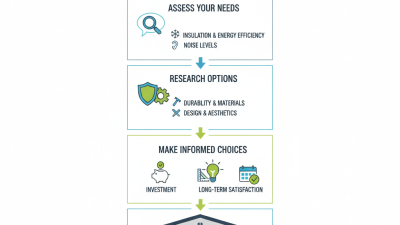
How to Choose the Right Electric Garage Doors for Your Home?
When considering the installation of Electric Garage Doors, many homeowners often overlook key aspects. Industry reports indicate that the global
Read more
»
By:
Amelia
-
Mar 08,2026
2026 Best AC DC Power Supply Options for Your Needs?
In today's fast-paced technological landscape, choosing the right AC DC power supply is critical. Efficient power supplies can dramatically improve
Read more
»
By:
Ethan
-
Mar 08,2026
How to Make Delicious Freeze Dried Sweets at Home?
Freeze Dried Sweets have gained popularity among dessert enthusiasts. They offer a unique, light texture and intense flavor. According to Rachel
Read more
»
By:
Madeline
-
Mar 08,2026
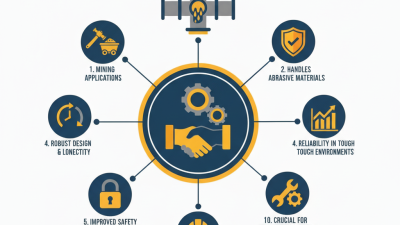
Top 10 Benefits of Heavy Duty Slurry Pumps for Industry?
Heavy duty slurry pumps are essential in many industries. They handle abrasive materials with remarkable efficiency. Their robust design ensures
Read more
»
By:
Aria
-
Mar 08,2026
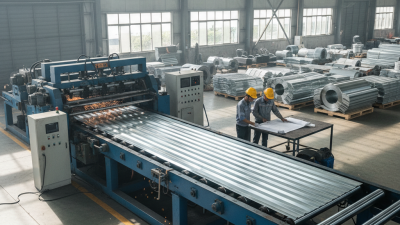
Why Choose a Corrugated Iron Roofing Sheet Making Machine?
In the construction industry, durability and efficiency are paramount. A corrugated iron roofing sheet making machine could be a game-changer. These
Read more
»
By:
Amelia
-
Mar 08,2026
Top 10 Benefits of Using a Cast Iron Casserole for Cooking?
When it comes to cooking, the versatility of a cast iron casserole is unmatched. Renowned chef Julia Child once said, "A cast iron skillet is so
Read more
»
By:
Ethan
-
Mar 08,2026
1
2
3
4
5


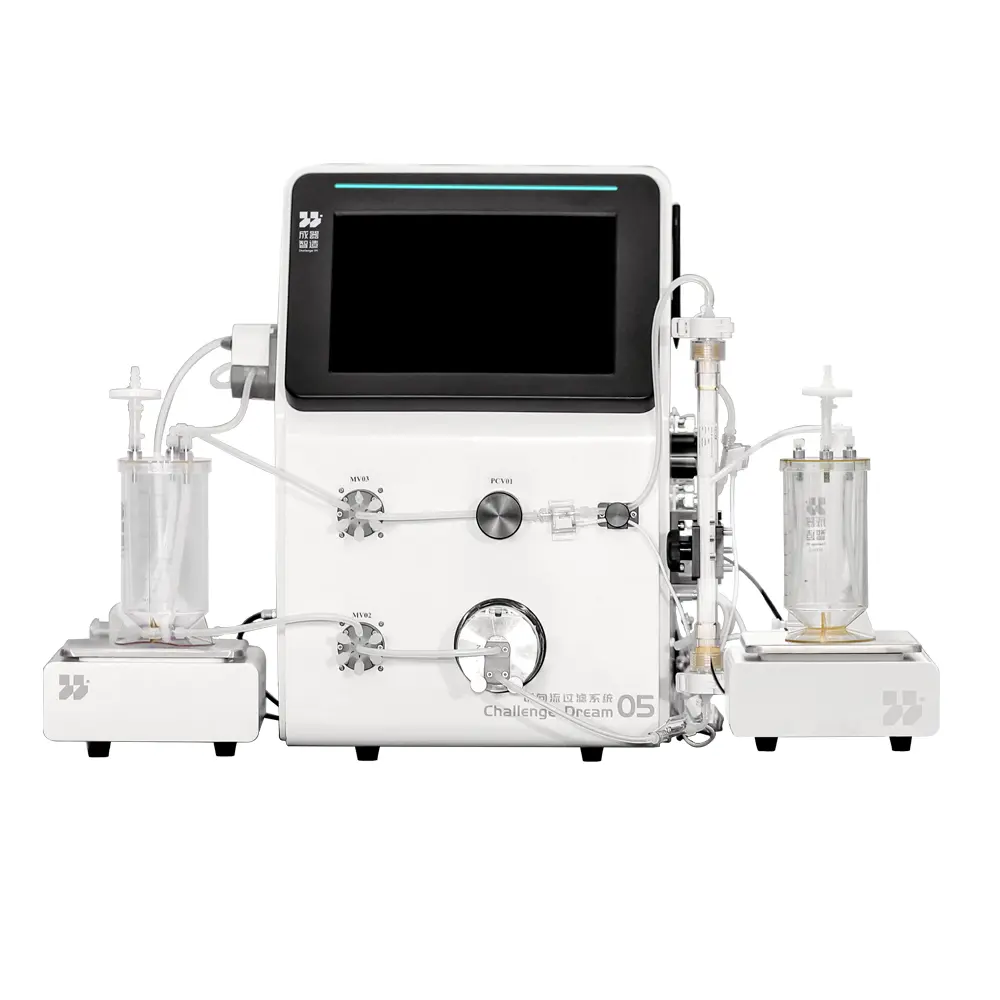 Tangential Flow Filtration(TFF) System
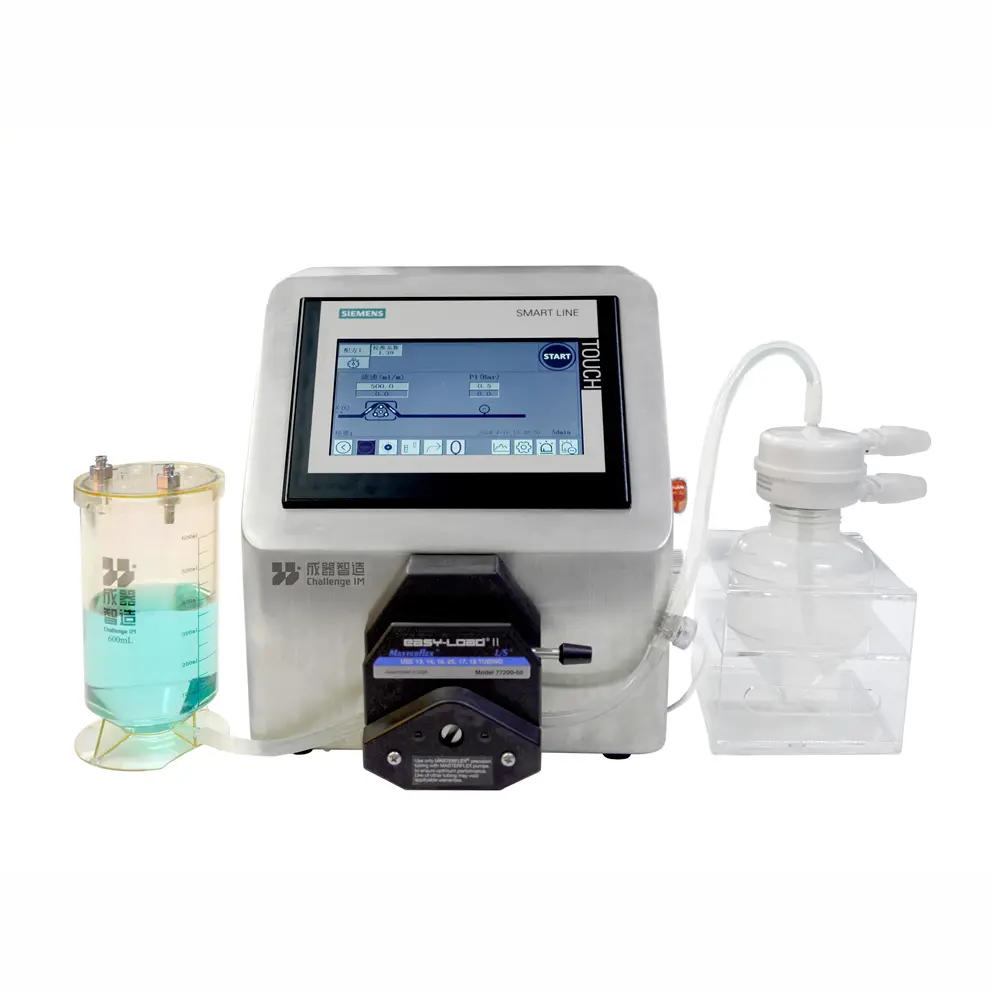 Jump Pump
 FIT Integrity Tester
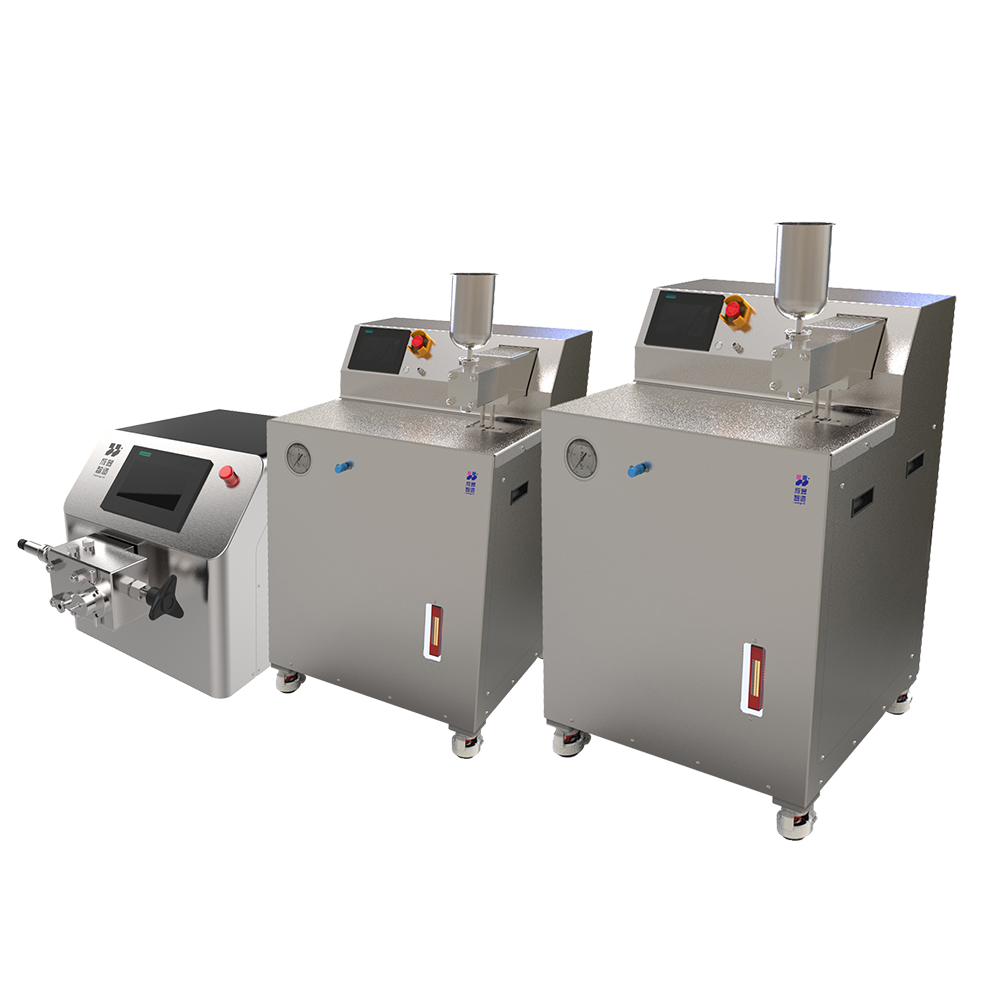 High Pressure Homogenizers
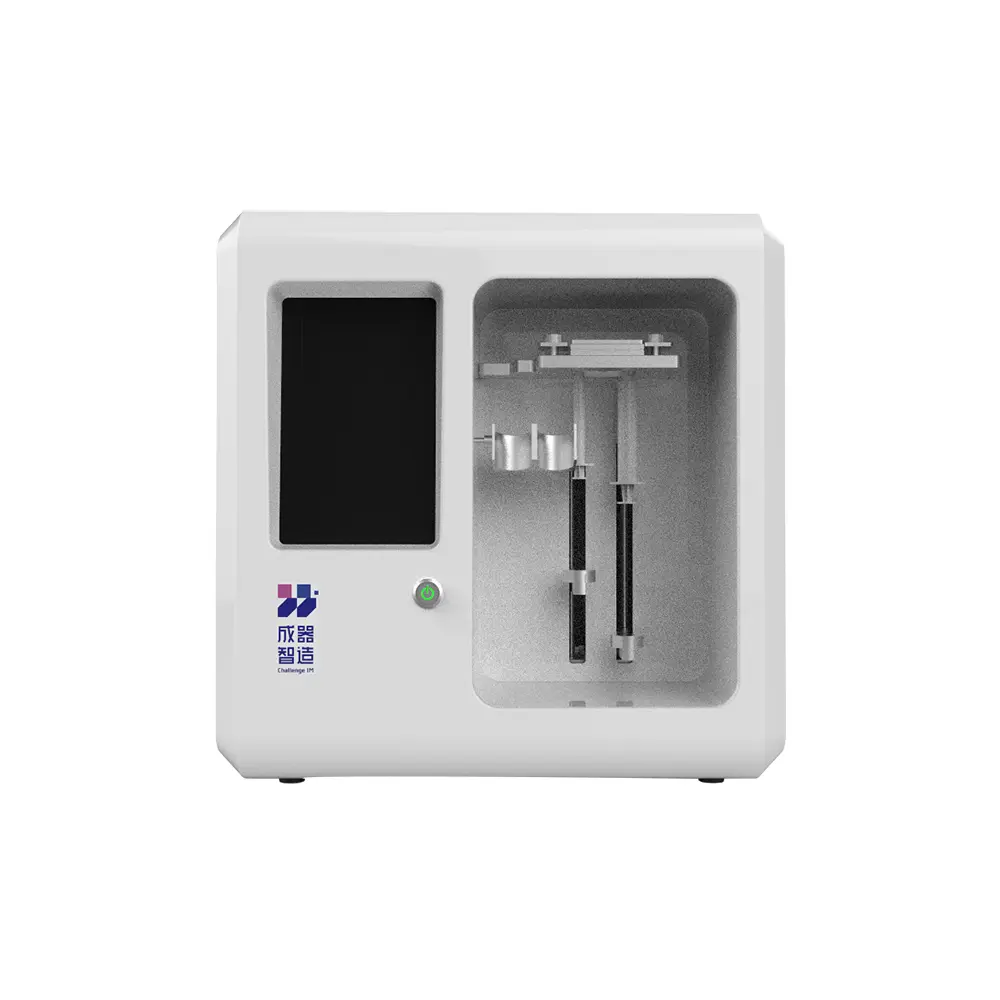 Microfluidics